Categories
Health

May is Menopause Awareness Month

OK… I made that up. But don’t you think there should be a month set aside to help people learn about menopause?

Mayflowers

Knowledge can be medicine. Women fare better when they know what to expect and what they can do about it… and the men we spend time with can be more empathetic if they understand what’s happening to us! I suppose if you haven’t been through menopause and don’t know anything about it, you might not think it’s that important… But it can be a miserable experience when symptoms get out of control. If you’re informed, you’ll recognize the signs the “Change” is starting and will know what you can do to make it easier. It’s always best to prevent a fire, or at least put out those early sparks, then to wait until the whole house is engulfed, right?

Putting out fires

For over 10 years, as a pharmacist that specialized in hormone balance, I helped women communicate their menopausal misery with their doctors, most of whom, unfortunately, had little time to listen to what the “Change” was doing to their patients. Sadly, that’s how the system often is now… 10 to 15 minutes and only 1 or 2 “issues” per visit, please… that’s all the time available per patient. While gathering information for busy physicians, I also taught women about non-medical strategies they could try to lessen their need for medications and improve their overall health.

The stories I heard from women during consultations made me realize I got off easy during my Change. I knew my hormones were already out of balance when I was only in my mid-40s and worked with my doctor to correct it. I believe this made the entire menopausal transition easier for me and I encourage others to do the same.

But some women told me how they carried extra clothes with them in case what they were wearing became soaked during a hot flash. Others talked about needing to change the bed sheets in the middle of the night after a severe night sweat. One woman told me how she would grab some clothes when shopping (anything at all!) when she felt a flash coming on, and duck into a changing room so she could strip to her underwear…

And hot flashes are just one symptom of menopause. Heart palpitations, another symptom that’s not as well known, would send some women to their doctors, thinking they had a heart problem. “Fourmications”, a feeling of insects like ants (les fourmis in French) crawling on the skin make some women feel like they’re losing their sanity. And the mental effects of fluctuating hormones can be very distressing, with irritability, forgetfulness, insomnia, and more.

Being a Baby Boomer and a health professional, I decided at age 40 to learn about menopause. I wanted to be ready when it started… I wanted to know what to expect and to be in control. Although on average, menopause (the time when periods stop, technically the date of your last period) occurs at age 52, things almost always start to change years before. The date of the final period is only set once you’ve gone for a year with no flow, and the time from when you first notice changes until the end of that period-free year is known as Perimenopause. This phase can last for many years. After that, it’s all called “Postmenopause”.

It’s OK to talk about it…

It’s something that essentially all women go through, and we can suffer terribly, but we feel like we’re not supposed to talk about it. Is it because it’s associated with getting older in a society that values youth? Could it be because menopause and menstruation involve bleeding and reproduction?

Generations ago, pregnancies were hidden because, after all, if you were pregnant, you must have had sex, right? How silly… Women now show their baby bumps with pride and wear comfortable clothes instead of tents. It’s time to normalize another female reproductive milestone – menopause! After all, the menopause change is just another normal stage of life we pass through.

But, like everything else, this is slowly changing. Can you believe there’s a humorous novel out new this year about menopause? Yes, it’s true… it’s called The Menopause Murders. I’ve read it and it’s hilarious! While some menopausal symptoms and risks of treatments are exaggerated in places (for its comedic story value, of course) it also alerts readers to what some of the negative symptoms of menopause are, including the mental health effects. Author Mary Maloney also delves into the debate over which treatments are best to choose, while her lively characters entertain you. (Disclosure: This is a non-affiliate link, however, I was provided with a free copy of the e-book by the author and had some good laughs while reading it!)

A source of information

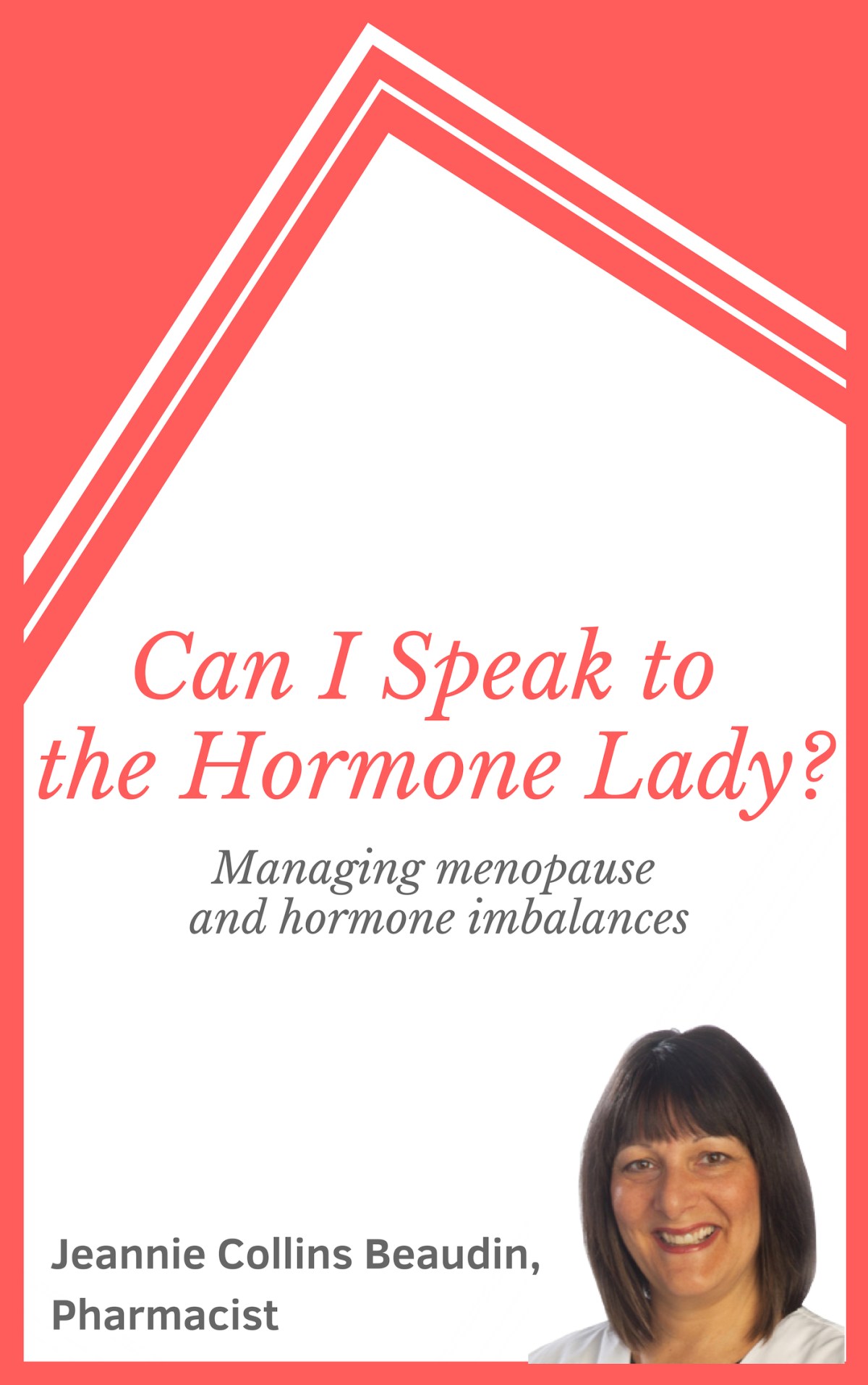
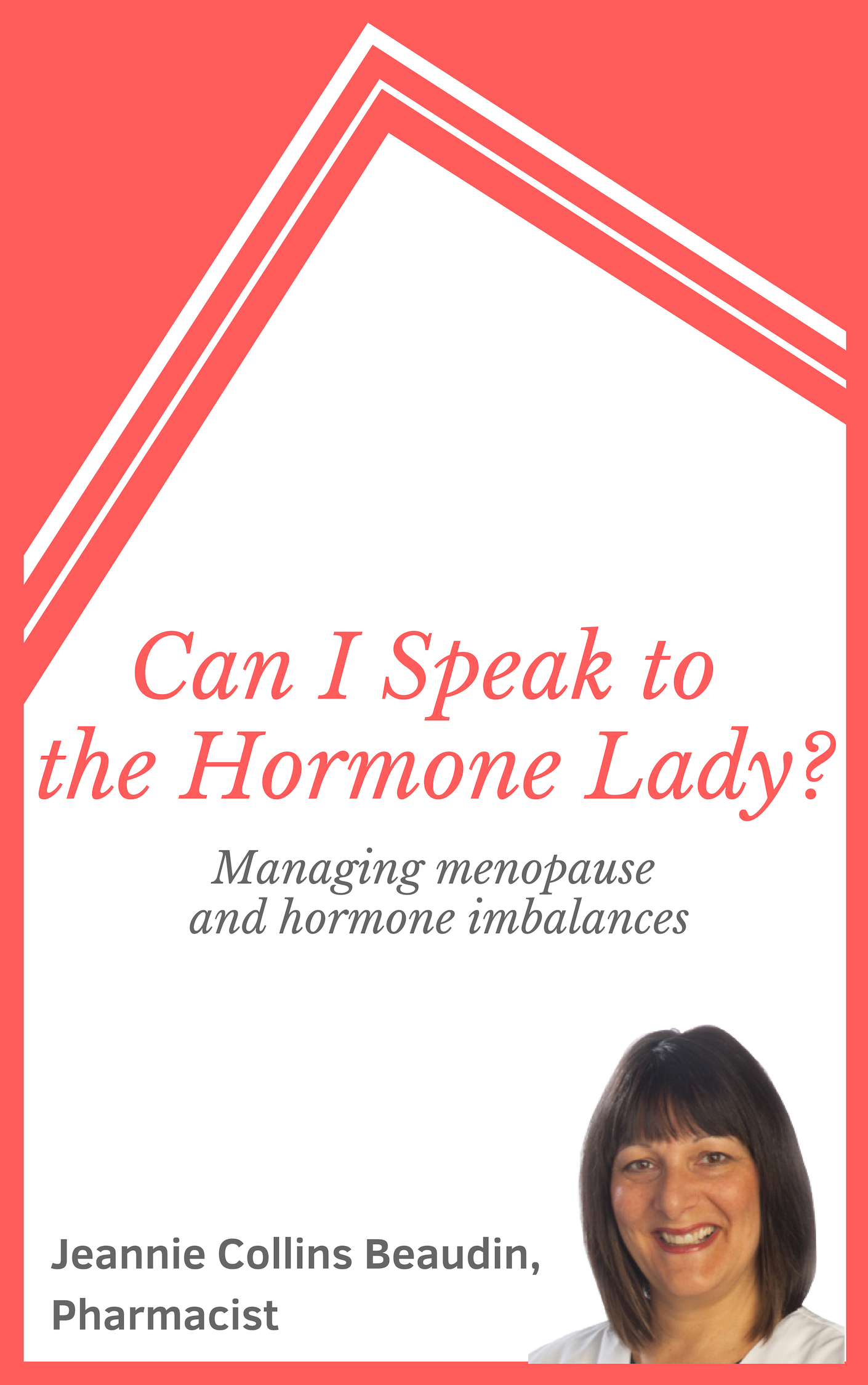
My long-term readers will remember that I also wrote a book about hormones, but mine was a serious one passing on the information I had learned as a pharmacist with a specialty in compounding hormones. On retirement, I sat down (on a balcony in Spain overlooking the Mediterranean!) and wrote everything I knew on the subject so the knowledge wouldn’t just “disappear”. The result was Can I Speak to the Hormone Lady? Managing Menopause and Hormone Imbalances, a fully-referenced book that explains what your hormonal symptoms are telling you, and your options to get back in balance and in control. Surprisingly, the book is selling more now than it did when I first published it. Although it’s available in print and as an e-book, it’s the audiobook that’s taking off now. I think the newest generation coming up to the menopause milestone likes to just load books onto their phone and listen and learn as they walk the dog or do household chores. Nothing like doing 2 things at once for productivity!

And, if you’d like more info about menopause and its treatments, my very first blog is a nice long one with lots of tips and non-drug ideas to improve symptoms. You’ll find it here: A Step-wise Approach to Menopause Treatment

I really love it when a reader contacts me, whether a reader of my blog or my books. Such a thrill (we writers really are so easy to please… 😊) It’s fun that we get to know each other a little, while I answer questions they may have, and we discuss our similar experiences. Sales and traffic charts are one thing but talking directly to a reader—a real person—is a completely different (and wonderful) experience for any author!

Women have helped each other through various stages of life for generations: the teen years, pregnancy, raising children, building careers. Menopause is just another stage of life where talking about it can help you and others sail through more easily. Do we avoid talking about it because approaching menopause means you’re getting older in a society that values youth? I love to say that being retired is the best job I’ve ever had (and I once had a job presenting seminars on a cruise ship!) It is life’s most wonderful reward after working hard and raising a family. I finally have time to do all the things I’ve wanted to do, and go places I want to go, and I can do it on my own schedule. What could be better than that?

Health = independence

I think another key message about menopause is that it marks the time of life with the most independence for women—as long as we maintain our health. So, part of the menopause discussion needs to be about staying healthy, both in body and mind, so we can maximize this wonderful postmenopausal time of life. While I began my blogging journey by writing about hormone balance for women 6 years ago, I’ve gradually expanded into a wider range of health information… what we should know to stay healthy and independent. And along the way, I’ve been learning a lot, both about health and how to write about it!

I hope you’re enjoying the blogging thoughts I share and having a wonderful healthful Menopause May! And let me know your burning (and non-burning) health questions… to be answered anonymously as always!

PS: Comments below are welcomed and seen by others; comments made through the “Contact” button at the top of the post are private and received through my email.

Categories
Uncategorized

Do you like Audiobooks?

I’m curious about how many of you enjoy audiobooks. Or whether you’ve even listened to one yet… Many (like me!) love words on a printed page, but I have started using e-books for convenience when travelling or to entertain myself when I have an unexpected wait. Since I can read on my phone, I always have a book with me.

But audiobooks involve listening instead of reading… more like a television show without the picture. Like a book, you get to imagine the characters and envision what they’re doing in your mind.

My younger daughter loves audiobooks because she can listen while walking the dog, driving the car or doing chores. I used to set my Mom up with an audiobook on occasion and she really enjoyed just relaxing with a story. My brother-in-law would listen to audiobooks when taking his daily walk on the beach when we were all in Florida. He found them more entertaining than just listening to music while walking. Seems audiobooks can appeal to all ages.

So, as I mentioned in a previous blog, I decided to make an audiobook myself from my first book Can I Speak to the Hormone Lady? Managing Menopause and Hormone Imbalances. I stumbled across a mini-course online, teaching how to do it, and thought “I can do this!” I used to read to my children when they were small, and that included the first 4 Harry Potter books, so I’ve had lots of practice reading out loud! The only other part was getting the right equipment and recording conditions, and learning to edit afterward. I didn’t want a single breath sound left in! I also re-did anything that didn’t sound quite right and, since my reading improved as I progressed through the book, I ended up re-doing the first few sections to make them better quality. I’m sure I’ll continue to improve as I do more of this work.

Of course, it’s not perfect, but I decided it was time to submit it to Amazon/Audible/iTunes for distribution. I was surprised that it will take at least a month for it to be approved and processed. They must listen to every recording to ensure quality!

But, meanwhile, I’d like to share the “5 minute sample” (which is now closer to 6 minutes, as I added the title and a closing to the recording…) If you’re curious, you can listen to it here: https://jeanniebeaudin.wixsite.com/author/audio-books The sample is from the introduction, explaining what the book contains and why I wrote it.

I’d love to hear what you think of my sample if you have 6 minutes to spare… and, of course, you can do something else at the same time if you listen on your phone! I hope to have the full book available for women in their 40s to mid 50s in the new year – in time for New Year’s Resolutions to prevent or fix hormone imbalance symptoms.

And email or comment below to let me know if you love audiobooks or if you’ve never listened to one. I’m curious how many of my readers are also potential “listeners”…

#audiobooks #hormoneimbalances #menopause

Categories
Book review

I'm so excited!

Hi! I’m back from my blogging break, and it’s time to let you know what I’ve been up to (besides enjoying the Spanish sun)… The book I’ve been working on for 3 years, “Can I Speak to the Hormone Lady? Managing Menopause and Hormone Imbalances” has just been published in e-book and print!

It was quite a challenge to learn about editing, formatting, cover design and all that’s required to publish a book. And I haven’t had a chance to see it in print yet, since I’m still in Spain until the end of March, but the online version looks good on my Kindle. You can take a peek at parts of the e-book displayed in the “Look Inside” function on Amazon.com or Amazon.ca

I’m so excited (and a bit nervous…) to finally have my book “out there”… Please celebrate with me! Here’s a Universal Link to the services where it is available:

https://books2read.com/u/4AJQGo

Categories
Health

Testosterone – Women need it too!

Testosterone has been described as the hormone of desire… Although it’s in the androgen hormone class, considered to be “male” hormone, both men and women produce testosterone. It’s the difference in amounts produced and the balance between estrogen and testosterone that determine male or female body characteristics.

Interestingly, many more articles have been written about overproduction of testosterone in women, as can occur in polycystic ovary syndrome, for example. Underproduction can also be a problem for women, but doctors rarely test for this.

With low testosterone, women can feel fatigued and notice less interest, not only in sex, but in doing things they normally like to do. The term “lack of a sense of wellbeing” has been used to describe how women with low testosterone can feel.

Physically, they may notice decreased muscle size and strength, and reduced hair growth on the body, particularly underarm, pubic and leg hair. These physical changes often carry more weight when speaking with your healthcare provider about the potential for this type of hormone imbalance.

Interestingly, taking hormones by mouth can lead to low testosterone effect. The liver filters virtually everything you swallow as soon as it is absorbed from your digestive system. This is referred to as the “first pass effect”, where the drug is changed or partially removed from the blood stream before it has a chance to reach the rest of the body. This is one reason that transdermal drugs (or drugs administered through the skin) are generally used in lower doses. With the transdermal route, the drug reaches the body before the liver has a chance to metabolize it. Hormone preparations are generally 1/10th the dose when given through the skin, as compared to dosing by mouth.

However, with oral hormones there is another known effect… In response to swallowed hormones, the liver produces a special protein, called sex hormone binding globulin (SHBG) that binds to hormones making them unavailable to act in the body and, essentially, inactive.

When estrogen is swallowed, such as with hormone replacement or birth control tablets, the liver is stimulated to produce SHBG, presumably a mechanism developed to protect us from accidentally ingested hormones in our food.

However, SHBG binds testosterone 10 times more strongly than estrogen. This means that taking estrogen by mouth will result in increased SHBG that will scoop up much of the testosterone your body is producing. Testosterone is still being produced but you may experience the symptoms of low testosterone. Regular blood tests for total testosterone would show a normal amount, but a test for “free testosterone” (testosterone not bound to proteins) would show the effective deficiency.

So, what can be done to correct testosterone deficiency? I always recommend treating the cause if one is identified so, for women with a secondary deficiency caused by taking estrogen by mouth, a simple solution is to change the estrogen to a patch, cream or gel formulation, eliminating the first pass effect on the liver and reducing production of SHBG.

If this is not the cause, and total serum testosterone is found to be low, testosterone replacement can be considered. Swallowed testosterone is known to be hard on the liver, with increased liver cancer reported with some oral forms. As well, available tablets and capsules currently on the market are dosed for men and contain far more hormone than women need. I’ve seen prescriptions for women to take one man-sized 40mg capsule once or twice a week, but even this is more than women would produce, and would result in swings in testosterone blood levels that would be far too high on the days immediately after taking a dose.

Women produce less than 1mg of testosterone daily. It is easy to understand that a 40mg capsule would come with the recommendation to stop taking it if she developed facial hair growth or acne. Even the cream formulas that are available come in 25 and 50mg pouches or pumps with no accurate way to measure a lower amount.

However, testosterone cream can be accurately compounded by a pharmacist and loaded into needle-free syringes for accurate measurement. I always prepared the cream as 1% testosterone (10mg/ml) making it easy to calculate the desired dose. A 1ml syringe would contain 10mg – generally enough for 10 days of testosterone replacement, although some women have reported results with doses as low as 0.15mg!

Because hormones are stored away in fatty tissues in the body, I generally recommended using 2mg daily for the first week or two (since some of this would be stored away) then reducing to 1mg or less daily to avoid any chance of overdosing. One of the first signs of too much testosterone is often an outbreak of acne. I encourage women to identify the lowest dose that is effective for them – the “normal” amount can vary from person to person, and we need to remember that we are adding to the amount being produced, which can also vary from person to person.

Men can also become deficient in testosterone. Some refer to this as “andropause”… others have jokingly called it “grumpy old man syndrome” since deficiency most commonly occurs later in life, the man may be stooped and thin due to decreased muscle and possibly the onset of osteoporosis, and his mood may have become less than cheery.

Testosterone replacement for men is readily available in capsules, injections and creams and, although somewhat less convenient, the creams or injections would be preferred to reduce the effect of hormone on the liver. However, as injections are generally given every 2 to 4 weeks, they have the disadvantage of producing a higher blood level of hormone immediately after the injection and a lower level before the next injection is scheduled. A simple blood test would confirm that testosterone is needed and that the dosing is correct.

So, if any of the symptoms of low testosterone sound familiar, talk to your doctor about it. If you are interested in more information, I would recommend “The Hormone of Desire” by Dr. Susan Rako as an excellent source of information on testosterone deficiency in women.

Categories
Health

Preventing Bladder Infection…

I received a question from a reader asking what women can do to prevent bladder infections. Here is some information about these infections that are so common and some strategies to prevent them.

Bladder infections can affect both men and women, but are 10 to 50 times more common in women (depending on which reference you read!), probably due to the much shorter urethra we have. The actions you can take to prevent a bladder infection will likely also reduce your risk of a vaginal infection and, in men, prostate infection.

Generally, infections start in the urethra, travel up to the bladder and, if not treated, can continue to spread up the ureters to the kidneys, leading to a much more serious infection. The recommendations below are for preventing infection; if you have signs of infection – pain or irritation with urination, needing to go frequently or urgently, blood in the urine, pelvic pressure or lower abdomen discomfort – you should see your doctor right away for diagnosis and treatment.

Bacteria that are normal to have in the bowel can cause an infection if they move into the reproductive or urinary systems. So, one of the first preventive measures is to pay attention to how you wash your genital area, making sure you are moving bacteria away from your vagina and urethra and toward the rectum when you wash or wipe these areas. Basically, always wipe from front to back with a clean tissue or cloth.

Infectious organisms also like warmth and moisture, so wearing looser-fitting cotton underwear can help keep the area drier – boxer shorts for men may help but I haven’t seen this style for women yet! However, at least we can choose comfy 100% cotton undies and avoid synthetic “non-breathing” materials. Thong-style underwear may increase the chance of movement of bacteria from the rectal area to the vagina or urethra, and are also more likely to irritate these areas – might be best to avoid this style of undies if you have recurring problems with urinary tract infections (UTI).

Avoiding long baths can be helpful, as bath water can become contaminated with bacteria fairly quickly, and using tampons is advised to keep the bladder opening drier, limiting bacterial growth.

Avoiding long intervals between urinating can also be extremely effective, and make sure to completely empty the bladder each time. Try to urinate every 4 hours if you are prone to infections, even if you do not feel the need to go. Drinking more water is thought to be helpful to dilute the urine, encourage more frequent urination and flush any bacteria from the bladder before it can attach to the bladder wall and start an infection.

Sexual activity can increase the risk of infection because it tends to introduce bacteria to the urethra opening. Keep in mind that spermicidal jellies and creams also kill normal flora that help keep harmful bacteria in check. If an association between sexual activity and infection is identified, doctors will sometimes prescribe a dose of a mild antibiotic to be taken afterward. Urinating after sex can help to flush away bacteria before it has a chance to enter the urethra, too.

The tissues of both the urethra and vagina are dependent on estrogen for growth and, as women age, these tissues can become thinner, less healthy and more prone to infection. Sometimes doctors will prescribe estrogen in suppository or cream form to improve the health of this area directly. Only a low dose is needed (for example, 10 micrograms of estradiol is used as a suppository, as compared to 1000 micrograms as a common strength of the tablets given by mouth for menopause symptoms). Compounding pharmacists can also make a gel or cream using estriol, a very weak estrogen that is very effective in improving the health of the genital tissues. Estriol has little or no effect in stimulating the growth of breast or endometrium tissues and is therefore sometimes preferred for women who would benefit from a local estrogen effect but have increased concerns about reproductive cancers.

The normal human bacterial flora, a mixture of non-harmful bacteria that grow on and in our bodies, is increasingly recognized as an important defense to infection. And since antibiotics kill normal flora along with the infecting bacteria, they may actually set us up for recurrent infections. As well, bacterial resistance to antibiotics is a growing problem – they quickly learn how to survive our cures. We need to be careful to only use antibiotics when they are truly needed, and to finish the full treatment so none of the infectious organisms are left behind… the bacteria that are the slowest to be destroyed are those that have already begun to develop some resistance to the antibiotic being used.

Probiotics are products containing live, non-harmful organisms that are beneficial when given in adequate amounts. When taken by mouth or applied to an area of the body that needs protection, they tend to overgrow disease-causing organisms and create an environment that is resistant to infection.

Studies suggest that when taken by mouth or applied vaginally, probiotics can reduce recurrent urinary tract infections (UTIs). Although somewhat less effective at prevention than low dose daily antibiotic therapy, probiotic treatment does not cause the bacterial resistance that is seen with antibiotics. So, although more research needs to be done to find the ideal way to use probiotics, it’s worth discussing with your doctor if you have recurrent UTIs.

Lastly, cranberries and blueberries contain a substance that can help prevent bacteria from sticking to the bladder wall, an essential step in the beginning of an infection. Cranberry juice, however, contains a lot of sugar to counter its bitter taste, and this sugar can promote the infections you are trying to prevent. Cranberry concentrate capsules are an option without sugar, but you need to read and compare the labels carefully – all cranberry supplements are not created equal! Some may contain as little as 5mg of concentrate but be labeled as over 1000mg – the amount of fruit it was extracted from… very misleading! Also, cranberry, like grapefruit, can interact with other medications you may be taking. Be sure to check with your pharmacist before taking large amounts of cranberry if you take other medications!

In summary, actions that reduce the amount of bacteria that reach the urethral opening, prevent bacteria from sticking to the bladder wall and maintain a healthy bacterial flora (especially after a treatment with antibiotics) will all help to prevent recurrent urinary tract infection.

Categories
Menopause

A step-wise approach to menopause treatment…

I like to think of treatment of menopause treatment as a series of “steps”… always consider the lowest level treatment and only advance to the next step if it is necessary for control of symptoms. With medications, “less is more” — in other words, a person is always better off taking the lowest amount and lowest level of treatment that will work for them. Especially with women who need hormones, the lowest amount should be taken that will give the relief that is needed.

The steps I consider when helping a woman control symptoms related to the menopausal change include:

1. exercise, diet, lifestyle changes

2. herbal medications, nutritional supplements

3. low dose hormones that are the same as the body produces

4. pharmaceutical hormones, stronger than our natural hormones

Step 1 – Exercise, Diet, Lifestyle Changes

The first step: exercise. improving diet, and making changes in your lifestyle are improvements all women who have mild symptoms should make to feel more comfortable and improve their health in the future. Exercise can help to even out hormone production and, since it also helps to reduce circulating stress hormones, can be useful in women who note their symptoms are worse during and after stressful situations. Stress hormones, your “fight or flight” reaction, set you up for exercise, speeding up your heart rate, increasing your blood pressure and blood sugar, and more… and exercise works to reverse these effects. And, of course, exercise improves health in many ways at the same time. Even as little as 30 minutes of moderate exercise 3 times a week can make a difference. Building exercise into your daily routine works too – it doesn’t have to be a session at the gym – take the stairs whenever you can, park in the far corner of the lot if it isn’t raining… see how you can add more activity to your day, wherever possible.

Since many vegetables contain plant-based hormones, also called “phytohormones”, eating more vegetables can help to even out our own hormone levels to a certain extent… When hormone levels are very low, these weak phytohormones can exert a small hormone-like effect. When natural hormone levels surge, phytohormones can have a dulling effect, moderating natural hormone action. A simple piece of advice I stumbled across, is to serve your plate with ¾ vegetables and ¼ meat, and to have 5 different colours of food in each meal!

Dressing in layers that can be quickly and easily shed, and installing a ceiling fan over your bed are two changes you can make that can improve your comfort and your sleep if you are suffering from hot flashes. I have found that the more quickly you can cool yourself off when your internal temperature setting rises, the less time the hot flash tends to last and the less discomfort you will feel.

These general “step 1” improvements, and others along these lines, are good for all women experiencing hormonal change to consider. Small changes can add together to make a significant difference and can add to any higher level therapy you may need to consider. As well, these are all healthy changes. Your reproductive years are becoming part of your past and you want to look forward to a healthy and happy retirement doing things you’ve always wanted to do. It’s a good time to consider what you can do to stay healthy and active as you age gracefully and make these changes part of your life.

Step 2 – Herbal Medications, Nutritional Supplements

The second step to consider is herbal medications and nutritional supplements. I’m not a fan of taking a lot of supplements, but you might benefit from targeted ones. The two herbal medicines I have found most useful in my clients are black cohosh and vitex (also called chaste berry). Some women find good relief from hot flashes with black cohosh alone but others do better with a combination product that contains both ingredients. These combinations are available from several reputable companies and are much simpler and less expensive to take than taking each separately. Black cohosh is rich in phytohormones, so helps to regulate swings in estrogen levels, while vitex helps to increase progesterone effect, creating improved hormone balance. I have had perimenopausal women with heavy menstrual flow (a sign of low progesterone in relation to the amount of estrogen being produced) report normalizing of their periods after starting vitex.

A useful nutritional supplement that I have successfully used with clients, is magnesium, taken at bedtime. Magnesium tends to relax muscles, especially if it is lacking in the diet – and one study I read suggested that as many as 30% of diets are lacking in magnesium. A supplement taken at bedtime will sometimes help improve sleep and, since we also need magnesium for healthy bones, you might benefit from this supplement in more than one way! Also, magnesium is absorbed better if taken away from meals so taking it at bedtime makes sense regardless of the reason you are taking it.

Another supplement I have found useful for addressing sleep problems associated with stress, is pantothenic acid or vitamin B5. Waking in the middle of the night with your mind racing and unable to return to sleep in spite of being exhausted can be associated with a spike in production of stress hormones – hormones that should remain low during the night. Pantothenic acid can help prevent these nighttime spikes in production, improving your sleep. I usually suggest 100mg be taken at bedtime for middle of the night awakening, or at suppertime for those who have trouble falling asleep. Combination B-Complex vitamins all contain some vitamin B5. You will note that some combinations are labelled as “stress formulas” and these are safe and well worth trying for minor anxiety symptoms.

Of course, there are many herbal and nutritional supplements that can be helpful, and you may want to consult with a naturopath or specialized pharmacist for expert one-on-one advice. However, avoid getting caught up in taking a lot of different supplements and herbal medicines. As with prescription medicines, the more you take, the greater the chances of interactions and side effects. I generally suggest a trial of one month with a supplement and, if you don’t notice an improvement, don’t continue taking it.

Step 3 – Bioidentical Hormones

If you have severe symptoms of hormone imbalance, there’s a good chance you would benefit from directly supplementing the missing hormone(s) – step 3. Aiming for the lowest level for the minimum time you need it is especially important when it comes to hormones.

And, with hormones, it is also best to use a hormone that is exactly the same as the one you are replacing, if you want it to do everything that your own hormone would do. Hormones are very complex molecules. They work by attaching to a specific hormone receptor, much like the way a key fits into a lock. Different sections of the molecule attach to different receptors in various tissues in the body, so changing even just one part of the molecule means that it will then have a different action on receptors for that piece of the molecule that was changed. In other words, any change in the molecule will change some of its functions in the body.

Hormones that are exactly the same as those we produce, are sometimes referred to as “bioidentical” hormones, meaning that they are biologically identical to those we produce. These identical molecules would, of course, keep all the effects of our own hormones when supplemented in a similar amount and timing. Bioidentical hormones are available commercially or can be compounded by a pharmacist.

Estradiol, our strongest estrogen, is commercially marketed as tablets, patches and vaginal cream or suppositories. Progesterone, the hormone that balances estrogen, comes as capsules and vaginal gel. Testosterone, the “male” hormone that women also need in small amounts, is available in capsules and cream.

Some doctors will prescribe the commercial testosterone cream for women, but it is packaged in packets or pumps with measured doses suitable for men. Women risk being overdosed when using these, although some will try to guess at the correct dose – which would result in a different dose every day and the chance of overdosing very easily. Too much testosterone in women, by the way, tends to cause side effects of acne, increased facial hair growth and, if overdosed for long enough, lowering of the voice.

So, one of the pharmacist’s roles is to compound (or prepare from “scratch”) dosage forms that are suitable for a particular patient. Testosterone cream for women is one such preparation that many pharmacists have made for years. An appropriate testosterone dose for a woman would be 1mg or less daily when applied to the skin, although doubling the dose initially for a week or two is often advised to see results sooner. Commercial testosterone creams are available in Canada in packets or pumps of 25 and 50mg, so it is difficult to imagine how any woman could measure an accurate and appropriate dose from one of these products.

As well, the “route of administration” or method of getting the hormones into the body can make a significant difference in how much you need to take. Swallowing hormones, although convenient, is really not an efficient method of taking hormones. Everything you swallow is filtered by the liver, and the liver works hard to keep hormones out of the body. Generally, you need to take about 10 times more hormone if you swallow it than if you use a suppository, patch or cream that is absorbed through the skin. This filtering is probably a function that developed during our evolution to prevent hormonal effects from accidental ingestion of a part of an animal that contained hormones. Our digestive systems are really designed to keep hormones from reaching the rest of our bodies.

At the same time, swallowed hormones make the liver work overtime, and this is seen as increased risks of gall bladder disease and liver toxicity. Testosterone, in doses intended for men, taken by mouth is even associated with cancers of the liver when used for extended periods of time. So, from all of this information (and more!) I have concluded that introducing hormones into the body through the skin, or the mucosa (by using drops under the tongue, or inserting a suppository or cream into the vagina or rectum) offer the best method of replacement.

And the dose should result in a blood level that is no higher than a normal level for a younger women in her reproductive years. Considering that we would be adding to a woman’s existing production and that normal levels can vary from person to person, it is unlikely that the same dose would be ideal for everyone. Unfortunately, with many commercial forms of hormones, notably gels in pump containers, patches and some very tiny tablets, the dose form makes it difficult to individualize the dose to what is right for you.

As a compounding pharmacist, I was always looking for a system that would allow for accurate measuring while allowing a flexible dose. Creams can offer the advantage of an adjustable dosage, if they are packaged in a manner that allows this. Some patches can be cut without changing absorption (you would have to check each product to be sure) but, again, we would be dealing with “guessing” where to cut the patch.

The best system I could come up with, at a reasonable cost, was to pre-package creams in a syringe (with no needle) so a measured amount could be squeezed out and applied to the skin. Other measurement systems I’ve seen included a special jar or tube that allowed the user to fill a syringe themselves with the appropriate amount, but there could sometimes be problems with air bubbles that would result in a reduced dose plus women want a system that is convenient and easy to use. I’m waiting for an engineer to take an interest in our dilemma!

There is so much to discuss about low dose bioidentical hormone replacement – I’ve barely scratched the surface. Hopefully, this summary has given you some insight into issues you can discuss with your doctor, if you are unable to find relief with lower level menopause therapies…

Step 4 – Pharmaceutical Hormones

If considering pharmaceutical hormones or birth control pills for treatment of menopause symptoms, step 4 of our treatment choices, you need to weigh the pros and cons… These hormones, that are different from those produced by our bodies, are the strongest therapy option and one I rarely recommend for menopause symptoms, as there are better choices available, as explained in step 3 above. At one time experts seemed to believe that if hormones “kept you young” then the more, the better! However, now we know that too much hormone activity can be as problematic as too little, and dosages have been steadily reduced over the years.

A little history: Original doses of Premarin, conjugated equine estrogen (CEE), were as high as 2.5mg daily and it was taken alone. With use, it was noted that the endometrial lining of the uterus became thickened, and risk of cancer in this area was increased. Doses were reduced to 0.625mg and a second hormone, medroxyprogesterone, was added to prevent endometrial growth – this regimen worked very well to reverse the endometrial cancer risk. Several studies were done with the 0.625mg tablets that suggested it lowered risk factors for other diseases of aging so, although a lower 0.3mg tablet was available, it was less often prescribed. I suspect that the 0.3mg dosage would have been enough for many women.

While researching another issue years ago, I stumbled across early studies on medroxyprogesterone dating back to the early 1990s suggesting a possible increased risk of breast cancer. However, about the same time, a study by the World Health Organization failed to identify an increased risk of this cancer. So, its use continued until the landmark Women’s Health Initiative (WHI) study was stopped earlier than scheduled in 2002, due to its clear findings of more overall risk than benefit from the combination therapy of CEE and medroxyprogesterone. Stopping a study early gets the attention of the science community and the media, and most doctors stopped prescribing both of these hormone preparations right away.

Since then, risks of hormone therapies have been reassessed and researchers indicate that the warnings in the early 2000s were exaggerated. This resulted in a generation of women suffering more than necessary during the menopausal change. However, few doctors still prescribe the Premarin/Provera (medroxyprogesterone) pharmaceutical regimen that was once so popular.

When it comes to pharmaceutical hormones there are many different varieties, most of which are used for birth control. With all of these different “cousins” of our own hormones, we see subtle differences in their actions and side effects because of the differences in their structure (as described in Part 2 of this blog). There has also been a gradual reduction in the dose of birth control pills being introduced to the market over the years. All of this has made it difficult to analyze the side effects of long-term birth control use in women, with most being combination products with a variety of different hormones. In general, however, birth control pills have been found to be associated with reduced risk of endometrial and ovarian cancers, and with increased risk of breast, cervical and liver cancers. They are generally not recommended in women over 35 who smoke or who have heart disease, high blood pressure, diabetes or blood clots, due to added risk from the hormones in these pills.

Doctors will sometimes prescribe birth control pills to women in perimenopause (the years before periods stop when women are experiencing various hormone changes and symptoms) to control menopause symptoms as well as to prevent pregnancy. This may be a good option if you need birth control and don’t have any of the cautions listed above, but it’s a “one size fits all” approach that, in my experience, only addresses some symptoms a woman may be experiencing.

Perimenopause is characterized by lowered production of progesterone and normal or increased production of estrogen, with classic symptoms of heavier flow and skipped periods. While the synthetic progestin in the birth control pill generally will control the heavy periods, the extra estrogen is certainly not needed at a time when natural estrogen production is often higher than normal, creating a different set of excess estrogen effects for the woman. In contrast, the approach I used (and that of other pharmacists who do similar hormone analysis) offers assessment of symptoms to determine which hormones are missing and makes an effort to replace only those hormones. Some practitioners use saliva or blood hormone tests to assess what hormones are being over or under produced, and choose a therapy based on this information.

Humans have lived since the beginning of our existence with our own bioidentical hormones. While we still need to pay close attention to dosing and timing of supplements, and using the lowest effective dose for the shortest time needed, there is a definite trend toward using bioidentical hormones whenever possible with most physicians for treatment of menopause symptoms. Supplying hormones through the skin (as a patch, cream or gel) or as a suppository, rather than swallowing, also results in less hormone needed and fewer side effects, and avoids potential problems with the liver and digestive system.

Given the many years required for researchers to realize a long-used hormone therapy created more risk than benefit, and the possibility that other subtle but harmful effects could surface in the future, using low-dose bioidentical hormones whenever possible just seems like a logical route to take when non-hormonal therapies do not give sufficient symptom relief.

There is so much to say about understanding and correcting hormone imbalances – I’ve really just scratched the surface in this article. If you are interested in learning more, I have written a book on the topic — Can I Speak to the Hormone Lady? Managing Menopause and Hormone Imbalances, published in February 2019. It’s available in digital (e-book) and print forms through all major online retailers. Here’s a link…