Categories
Health

Many Common Medications Could Change Your Gut Bacteria

Researchers have learned that 18 commonly used classes of drugs can extensively affect the organisms that live in your gut. The most drastic changes were caused by stomach medications, antibiotics, metformin (a diabetes medication), and laxatives. Why is this important? Because research suggests that changes in gut organisms are associated with obesity, diabetes, liver diseases, cancer, degenerative nerve diseases like MS and ALS (Lou Gehrig’s Disease) and others.

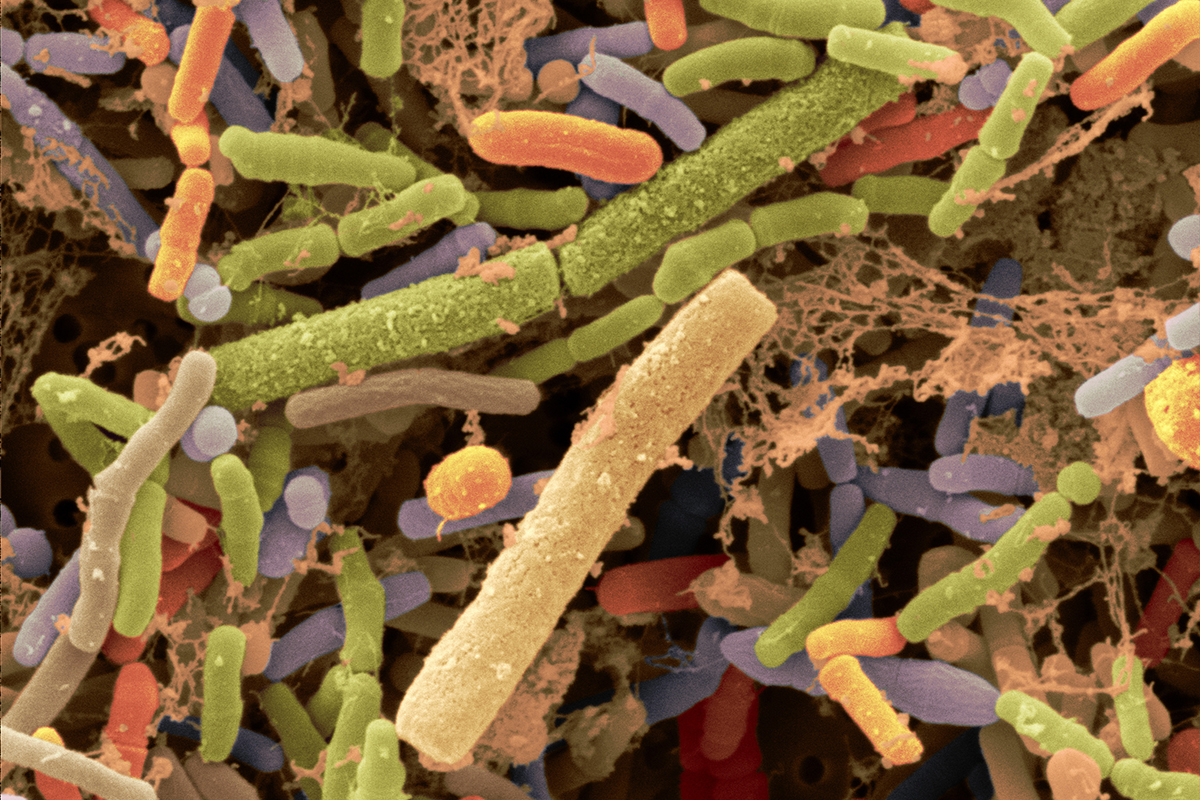
Your intestines contain tens of trillions of microorganisms, with at least 1000 different types of known bacteria. These organisms are vital for our health, breaking down food and toxins, making vitamins and training our immune systems. Their total weight is calculated to be as much as 2 kg (4.4 pounds) – heavier than the average brain! It’s also known as the human “microbiome”. It’s been increasingly studied over the past 15 years – what types or organisms are found in healthy people vs. those with various diseases, how we can improve the content and balance of organisms in our digestive systems and, now, how this microbiome is affected by common drugs.

New research, reported at the international United European Gastroenterology Week 2019 conference, describes work done at the University Medical Center Groningen and Maastricht University Medical Center in the Netherlands. Out of 41 drug classes they tested, 18 were associated with changes in gut microbiota composition or function. Several of these were found to be significant:

  • Antibiotics

  • PPI’s (“proton pump inhibitor” stomach medications)

  • Laxatives

  • Metformin

  • Oral steroids (i.e. taken by mouth)

  • SSRI antidepressants (in people with Irritable Bowel Syndrome)

Antibiotics kill bacteria both good and bad. Stomach medications, particularly PPI’s (proton pump inhibitors, like Losec/Prilosec, Nexxium, Tecta, Prevacid and others), drastically change the acidity of the stomach making a significant difference in the environment these organisms like to grow in. So, we shouldn’t be surprised that these 2 classes of drugs change which bacteria thrive in our digestive systems.

Laxatives speed the passage of the contents through the digestive system, pushing microbes out of their normal habitat as they move the entire contents of the intestines along more quickly than normal.

Another research team, at the European Molecular Biology Laboratory in Germany, suggests that altering gut organisms may also be part of how some drugs work. They noted that one of the ways the diabetes drug, metformin, works is to encourage the growth of certain bacteria. People who take metformin have also been found to have higher numbers of the potentially harmful bacteria, E. Coli.

The researchers also identified an increase in antibiotic resistance related to 8 different categories of medications, not just from use of antibiotics themselves. We always knew that oral steroids (those taken by mouth, like prednisone) cause people to gain weight, and now researchers in the Netherlands report that this may be caused by an increase in “methogenic” bacteria, which has been associated with obesity.

SSRI antidepressants (Prozac, Paxel, Celexa and several others), particularly when used in people with Irritable Bowel Syndrome (IBS), were associated with significant changes in the potentially harmful bacteria, Eubacterium ramulus. These drugs generally take a few weeks to exert their therapeutic effect; they also note that similar bacterial species are affected by different antiphychotics. This led to the suggestion that part of how both these types of drugs work could be by encouraging or blocking certain gut bacteria. Researchers hope that one day it may be possible to diagnose some brain conditions by analysing gut bacteria and to treat them with “psychobiotics” – specific mood-altering bacteria!

The German researchers also noticed that some drugs affect gut bacteria in a manner similar to antibiotics and these tend to have antibiotic-like side effects, such as digestive upset. They suggest that these non-antibiotics could be increasing bacterial resistance to antibiotics, since they affect gut bacteria similarly.

So, although this research is fascinating (or, at least, I think it is!), much more work needs to be done in this area. However, it shows that we cannot ignore the effects of various drugs on gut bacteria. Researchers estimate that one-quarter of drugs or more have an impact on the gut microbiome.

References:

Is your gut microbiome the key to health and happiness? – The Guardian

Many Common Meds Could Alter Your Microbiome – WebMD

Half of all commonly used drugs profoundly affecting the gut microbiome warn experts – EurekAlert

Many commonly used drugs may impact microbiome – Univadis Medical News

Categories
Health

The world inside…

We humans, each of us, have trillions of microbes that live inside and on the surface of our bodies – most experts say about 4 pounds worth. These include over 10,000 different types of microbes (including bacteria, viruses, and fungi), collectively known as our “microbiome”. And having a larger variety of microbes in our system may actually be a protector against future illness, as new research suggests they give us resilience against disease.

For many years we only heard about bad bacteria, viruses and fungi that cause disease. But the truth is, most organisms are beneficial, and, in fact, we can’t live without them. We need to think of these good microscopic inhabitants of our bodies, as a part of us that we need to keep healthy. We have a “symbiotic” relationship: we evolved together and rely on each other for survival.

The pharmacy school at the University of Toronto recently hosted an online Town Hall Medicine summit on the microbiome, where 21 researchers spoke about results of research they have been conducting in this area. I listened to most of the lectures and want to share some of what I learned. The series is still available (for a fee) if you are interested in learning more.

What do microbes do for us?

These microorganisms perform many bodily functions for us: from helping to digest our food and absorb nutrients, to protecting us from disease, to controlling how our immune system functions, and more. Although they’ve been researching our microbiome for over 10 years, scientists are still learning new ways they interact with our human cells with significant increases in understanding in the last 5 years. They now believe there is a connection between the make-up and health of the microbiome and obesity, autism, allergies, intestinal health, responses to drugs, rheumatoid arthritis, Type 1 diabetes and many other conditions.

Inflammatory diseases, like Multiple Sclerosis (MS), asthma and Crohn’s disease, have been on the rise over the past 50 years. Researchers have proposed the “hygiene theory” which suggests that decreased exposure to microbes, through overuse of antibacterial agents and just being too clean, has lead to decreased diversity of our bodies’ beneficial microbes. Some evidence suggests that exposure to good bacteria in the early years of life is crucial to avoid inflammatory diseases, such as asthma and inflammatory bowel disease, later in life. Think of it as giving your immune system “exercise” to help it strengthen and learn to function properly.

The gut and the brain “talk” to each other…

Recently they have even identified communication between gut bacteria and the brain, through hormones, nerves, and chemicals known as neurotransmitters. They believe that this communication affects our mental health. What we eat influences the composition and activity of the microbiome and this has lead to research on how our diet could influence mental health. For example, newer studies suggest eating a western diet of highly processed food may increase risk of depression and anxiety. But choosing a Mediterranean diet, with higher amounts of vegetables and good fats like olive oil, may reduce risk of these mood disorders. This field of study is called nutritional psychiatry.

We also have a major nerve, called the vagus, that directly connects the brain and the gut. Years ago, surgeons would sometimes cut this nerve in patients who had ulcers caused by stress. The ulcers healed, but many patients developed psychiatric problems afterward. It turns out that this nerve is a two-way street, carrying messages from the gut to the brain as well as in the other direction, and it’s another important way our gut and our brain communicate.

I’ve read about an abdominal breathing technique that is suggested help with relaxation: the belly is pushed out during inhalation and pulled in while exhaling. I’d always thought this was just a distraction technique, a type of meditation to take a person’s mind off their troubles. But I’ve learned that this abdominal movement can stimulate the vagal nerve when done correctly, actually creating a relaxation response in the brain. However, experts stress that it requires practice to be able create a full parasympathetic relaxation response that is useful during an episode of stress. Seems like a worthwhile skill to develop!

Exposure early in life is important

Studies of asthma and allergies are very telling. Children who receive an antibiotic in the first year of life have higher rates of asthma. Studies also suggest growing up on a farm, with a dog, or being born by natural birth versus by sterile caesarean section can result in lower risk for asthma and allergies. All of these affect the types of bacteria a child is exposed to early in life and therefore will incorporate into their digestive and other systems. It seems that exposure to organisms in the first 3 years of life – while the immune system is developing – is more important with longer-lasting effects than later in life when our systems are well-established. Trying to repair and maintain a microbiome that is damaged as an adult is more difficult than establishing a healthy one in the first place and requires ongoing effort. Researchers describe extinction of entire species of microbes in the inside world, the gut, of some populations. And they can be very difficult to reintroduce, just as it’s almost impossible to reintroduce animal species that have become extinct in the outer world. Keep in mind that a typical probiotic capsule contains less than 10 species of organisms, compared to around 10,000 species in a healthy adult. Although probiotics can help some, we need to do more.

How can we help out our gut microbes?

Factors that affect the composition of our microbiome include the types of food we eat and where we spend our time. With modern urban living, many can spend as much as 90% of their time indoors. Simply spending time in nature can change the types of organisms we take into our bodies. Bringing fresh fruits, vegetables and plants into the home can help recreate “the farm effect” with benefits to our microbiome.

Eating fermented foods can also help, as the fermentation process creates many beneficial bacteria. One expert recommends five servings per week of at least three different types of fermented foods. These foods also provide fibre, which feeds good bacteria. Although raw foods contain more live bacteria than those that have been cooked, even organisms killed in the cooking process benefit the immune system.

Just like a garden…

One expert, Anne Bikle, who is also an avid gardener, describes our large bowel as a “garden” and a “medicine chest”, producing substances that protect us from abnormal, potentially cancerous, cells as well as infections. She tells us that 40% of the compounds in our blood are made by our microbiome, and that we are as much microbial as we are human. She suggests we need to treat our digestive system as we would a garden: feed it plenty of fiber and nutrient rich plants, just as you would add nutrients and compost to soil to have a healthy garden that produces tasty vegetables or beautiful flowers. Her advice in a nutshell? “Mulch your garden soil, inside and out”. Keep your inside world and your outside world healthy…

Reference:

Town Hall Medicine, University of Toronto, Leslie Dan Faculty of Pharmacy

Are we more microbe than human?