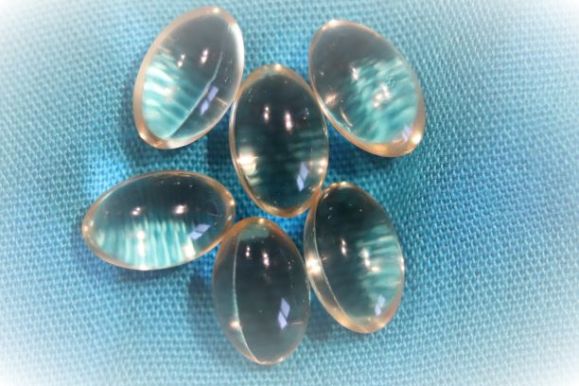
A placebo is a medication that looks real but doesn’t contain any active ingredients—sometimes referred to as a “sugar pill”. It’s hard to believe, but often a placebo can make a difference in how we feel. But how could they work if there’s no active drug?
A well-studied effect
When we believe we have been given a medicine, our bodies often respond by trying to heal. Placebos are understood to work by turning something on in our immune system or by activating processes in the brain. They come in many forms, just like standard treatments—as pills, capsules, injections, sham surgery or other treatments.
Many studies have been done to measure the placebo effect. Researchers found that the colour of the medicine and the care with which it is given can affect and increase the results. Red, yellow, and orange are associated with stimulating effects, while blue and green tend to have a relaxing effect. Larger pills can have a stronger effect than smaller ones, and 2 pills work better than one. Capsules work better than tablets, and injections can have a stronger effect than both. Sometimes the phenomenon will occur even when the person knows they were given a placebo. However, the effect is more common and usually stronger when the patient believes they are taking an active medicine.
In some conditions, the placebo effect can be quite remarkable. For example, 90% of tension headaches are reported to improve with a placebo. Because of this, placebos are usually required in most scientific studies to show that a medication works and that any changes did not happen because of the patient’s own reaction to being given a medication. In high-quality studies, neither the patient, the health professional treating the patient, nor the person collecting information knows who received the active medication and who was taking a placebo. This is done to eliminate the chance of bias in reporting.
When measuring the effectiveness of a medicine in a study, researchers and clinicians must look at the difference between the drug effect and the effect of a placebo. Sometimes the placebo can be almost as effective as the drug, with both creating an impressive difference in the patient’s outcome. This has been noted with some sleeping medications, antidepressants, anti-anxiety medications, irritable bowel syndrome, Parkinson’s Disease, pain medications, and others where the placebo effect can be remarkable.
Side effects and physical effects are possible too
We can also respond by developing “side effects”—effects from the treatment. Researchers refer to this as the “nocebo” effect and can include side effects such as headache, stomach upset, dizziness and others. The side effects of a drug being tested are compared to the “side effects” reported with the placebo used in the study.
Placebos are often thought to only work on conditions that have a psychological cause, but they can cause physical changes that can be measured. For example, a placebo can change heart rate or blood pressure or trigger the body to release its own pain relievers or dopamine, a feel-good neurochemical.
Techniques to use with standard meds
We can learn a lot from the action of placebos that clinicians could use when treating a person with standard medication. Any positive response that originates in the body would add to the action of the drug they are taking.
For example, pain medications have been found to be more effective if the person knows they are being given the drug. Medications that are prescribed and administered with caring and concern tend to work better. The placebo effect is also believed to play a large role in the effectiveness of treatments for depression and anxiety—this makes sense to me as, once you’ve taken a medication to help your problem, you are more likely to relax, worry less, and plan positive activities. Essentially, your brain and your medication are working together to achieve positive change.
So, how do placebos work?
There are several factors thought to be involved:
- Expectation and conditioning—Expecting to get better after taking a medication can help people to relax with a resulting drop in stress hormones. These hormones have many effects throughout the body that include increased heart rate and blood pressure, heightened senses, and alertness so lowering these hormones can result in positive health effects. A placebo can also trigger a release of our own opioid-like pain-relieving chemicals. People are used to feeling better after they take medication, so this conditioning may help people experience a positive effect from a placebo.
- Effects in the brain—Studies have shown measurable changes in activity in the brain stem, spinal cord, and other areas of the brain.
- Psychoneuroimmunology (psycho = mind, neuro = nerves, immunology = study of the immune system)—This is a fairly new area of scientific study that looks at how thoughts in the brain can change body function, through the nerves and immune system. It studies the connection between the mind and the body, through the nerves and immune system. We know that simply maintaining a positive attitude can prevent or improve illness, and this is the study of how that is achieved. There is still a lot to learn in this field.
- Evolution—Humans are constantly evolving, developing helpful responses to diseases. Some researchers have theorized that our health regulation has developed to allow the brain to decide when it will carry out a certain response. For example, fever helps slow growth of bacteria and viruses; if the patient is starving or pregnant, however, the body does not as readily develop a fever since this could use needed energy or harm the baby.
Placebos as treatment
Placebos are now being studied for use as a treatment in their own right. Of course, they can only be expected to work in conditions where the body can heal itself. However, by triggering the body’s healing response, a placebo would be expected to speed up this process. The plus is that this treatment would be free of negative side-effects (except any created by the mind, of course).
Some doctors prescribe placebos fairly often. One study in Denmark found that about half of doctors had prescribed a placebo at least 10 times in the previous year. Unfortunately, they often used an active medication as a placebo. For example, they would prescribe antibiotics for a viral infection—antibiotics only work on bacteria infections, not on viral ones. However, active drugs like antibiotics often have side effects, for example upsetting the stomach or killing off good bacteria in the gut that help our immune system to function properly. Another example was prescribing vitamins for fatigue—a better choice for a placebo, as these would be less likely to cause harm.
Homeopathy is an interesting medication system that has been used for over 200 years. It uses tiny doses of active ingredients—sometimes diluted so low that it is unlikely that a single molecule of the original substance remains. It seems likely that any results must be because of the body’s reaction to the medication, not the action of medicine itself. There is a debate over whether the response is a pure placebo effect or if the medication can still direct the actions taken by the body that result in the effect. Either way, homeopathic medications are thought to have a mechanism very similar to the placebo effect. From a medical standpoint, once a doctor diagnoses a patient, homeopathy would offer a convenient form of placebo that they could easily and safely recommend or prescribe in self-limiting conditions, rather than using an active drug that may have unwanted side effects.
A final thought
Since placebos work best when the patient believes they have received an active medication, it raises ethical questions. The prescriber is essentially misleading the patient but, if it works, we should consider it effective treatment. It would also be unethical to withhold an active treatment that a patient needs—an accurate diagnosis must be made before considering use of a placebo, and the patient would need to be monitored closely to ensure the placebo treatment is appropriate.
#placebo
References:
What is the Placebo Effect?—WebMD
What Is the Placebo Effect and Is It Real?—healthline
Is the placebo effect real?—Medical News Today
 Jeannie Beaudin, Artist and Author