Categories
Public Health

What Do the Metric System, Smoking, Carbon Tax and Plastics Have in Common?

The metric system, smoking, carbon tax and reducing plastic pollution all require us to accept change to make things better in the future… for our children and our grandchildren. What can we do to help people change when it’s really important?

The Metric System

Canada changed from miles, ounces and Fahrenheit degrees to the metric system of kilometers, grams and Celsius degrees back in the 1970’s. I was in university then and found it a bit easier since my high school science labs had been in metric, but they made it easier by giving measurements, like weather temperatures and speed signs, in both systems for years until everyone got used to the new system.

We also bought thermometers and rulers with both scales on them. I told customers not to convert fever temperatures but, instead, to just remember that 37C was normal and 40C was really high (equal to 104F). For pharmacists, actually, it was a relief…as we had to learn the Canadian system of weights and measures (like the British), the American system (with it’s slightly different ounce and gallon), the metric system AND the obscure Apothecary system with it’s grains, scruples, drams and ounces (yes…pharmacists do have scruples!). It was a relief to use the simple conversions of the metric system!

So, our government legislated the change but continued the old system until everyone became used to the new way of measuring.

Smoking

To discourage smoking, based on research showing second hand smoking is harmful, cities banned smoking in public and eventually in restaurants and other public areas. This made smoking an activity that had to be done in a special area and not acceptable everywhere as it had been. Along with government-sponsored education, this “denormalization” of smoking has led to steadily decreasing rates of smoking in North America.

A combination of restricting where smoking was acceptable and educating people why it was dangerous worked to gradually change behaviour. However, I read this week that smoking rates have increased again recently, possibly due to the availability and popularity of e-cigarettes. There’s still more work for governments to do to eliminate this harmful habit, but there are still fewer smokers than there once were!

Carbon Tax

The Carbon Tax is a fee imposed on the burning of polluting carbon-based fuels, like coal, oil and gas. While the tax is much debated, experts say it will change behaviour: The tax will encourage people to choose products and services that are less polluting to avoid the tax. Nothing like money to make people consider changing! Our Canadian government tells us the Canadian version of this tax will be revenue-neutral for government and much of the population – the tax collected will be rebated to consumers – but studies say it will still work as an incentive to change.

Plastics

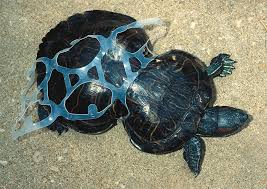
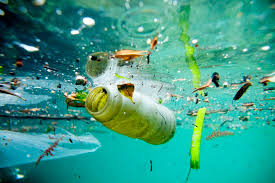
There’s a huge problem with plastic that most of us don’t see… tons of plastic waste are ending up in our oceans and lakes and it takes years and years to degrade. As it breaks down it becomes “microplastics” that enter our food supply. Substances in plastics affect our hormone function and our health.

So, what can be learned from other system changes we’ve made that can be applied to plastics? We need awareness, education and system changes to make us want to correct what we’re doing. Scientists estimate that by 2050 there will be more plastic by weight in oceans than sea life…

Here are 9 suggestions for things you can do:

  1. Use reusable items instead of disposable:

    1. This includes bags, cutlery, straws, coffee cups, plastic wrap and anything else you can think of.

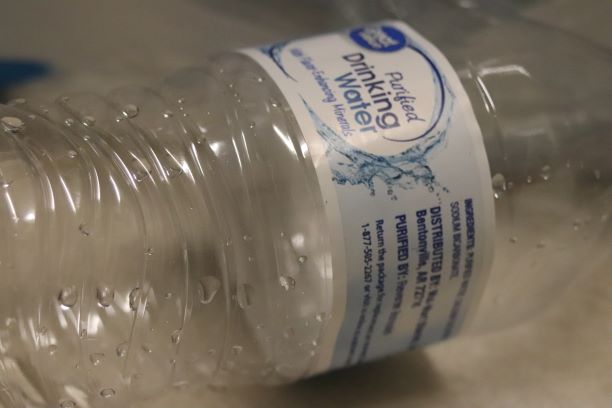
  2. Stop buying bottled water

    1. Filter water instead and use reusable bottles. You can even get bottles with a filter built in!

  3. Boycott products with plastic microbeads, such as soaps, body wash, toothpaste.

    1. These tiny beads often slip through water treatment systems and look like food to fish.

    2. Microbeads are already banned in some countries.

  4. Cook more at home to avoid packaging.

    1. If you do order out, ask for no cutlery to be added to your order.

  5. Buy second-hand.

    1. Second-hand items are not packaged, you’ll prevent these items from ending up in landfill and you’ll save money!

  6. Recycle!

    1. Already many communities require us to separate plastics and other items in our garbage, so they can be recycled. And in some communities, if you don’t, they may just leave your garbage at the curb (my neighbours call them the garbage police!). So, changes are happening at the community level. However, not all communities participate in separating and recycling garbage. If yours doesn’t, suggest it!

    2. And recycle in your home too! Reusing plastic bags and containers means fewer will end up in the garbage.

  7. Support bag charges and bans.

    1. These can be one of the fastest ways to make people change their habits quickly.

  8. Buy in bulk (yogurt, snacks, etc.).

    1. Buy large sizes and repackage these into reusable containers or, better yet, make your own snacks! Might be tastier and better for you too…

  9. Put pressure on manufacturers and retailers to change.

    1. Email, Tweet or just buy elsewhere when you notice bad plastic practices!

Please watch the short video on the plastic problem on the Plastic Pollution Coalition website. In addition to further explaining the problems we are facing with excess use of single-use plastic, there are links to information on how to reduce the problem and live “plastic free”.
Categories
Environment

How clean is the water you swim in?

Would you boil your lobster in ocean water these days? Might want to think twice about that…

Water quality at beaches in our area is being questioned, with beach closures more than once already this summer due to excessive fecal bacterial counts. Some types of pollution can be less obvious than the photo above. How clean is the water your kids are swimming in? Is it even being tested so you know?

The factors that contribute to increased bacteria in our coastal waters, rivers and lakes are not all known. However, it seems likely that the more crowded and popular an area is, the greater the likelihood of a problem developing. Population density, surface water run-off, and aging septic systems are all suspected contributors to high fecal bacteria counts. These bacteria put swimmers at risk of illness and infections…

Adding to the problem, is that government water testing requires 48 hours – water samples are being taken on the weekend and results are only announced on Monday, after many have spent the weekend swimming in potentially polluted water. Government officials insist that results cannot be provided in a more timely manner.

A quick internet search found a do-it-yourself test, Aquavial, developed and manufactured at University of Waterloo in Ontario that detects several bacteria (including E.coli, Pseudomonas, Salmonella, and Staphylococci), biofilm and fungi, even when levels are very low. It can be used for testing drinking water as well as any fresh water you plan to swim in, and gives results in 15-30 minutes. Check it out at https://aquabsafe.com if you want to check the river or lake you swim in – a single kit costs $20 and they sell a 6-pack for $100…enough to do weekly testing for the rest of the summer!

Unfortunately, it is the presence of enterococci that confirm fecal matter in salt water as E. coli grown only in fresh water so, to my knowledge, this test could not be used in ocean waters to detect fecal contamination. Currently the only fast test is for E. coli DNA, requiring only 4 hours, but this test is very costly and not widely available.

Much of the economy in coastal areas – especially tourism and fisheries – is tied to the environment. Our shores and coastal waters need to be kept clean to ensure these industries remain healthy. Those who use coastal areas for recreation or commerce need to be educated in how to preserve important wetlands and prevent damage to sensitive coastal areas. It is much easier (and less expensive!) to prevent damage than it is to try to repair the damage later.

Coastal areas, with their dunes and wetlands, are an ecosystem that serves many functions:

  • Filtration

    • Run-off water flows slowly through a marsh, allowing sediments to settle.

    • Wetland plants consume excess nutrients (including heavy metals) preventing accumulation in lakes, rivers and oceans.

    • Wetlands filter out and absorb bacteria from surface run-off water. Marshes can filter out up to 90% of bacteria.

  • Storage of water

    • Slowed water flow allows ground water to be replenished

  • Biological productivity

    • Because they absorb nutrients, wetlands are highly biologically productive. Freshwater wetlands compare to tropical rainforest in plant productivity.

  • Wildlife habitat

    • 95% of commercially and recreationally harvested fish are wetland dependant. Many bird, animal and insect species also rely on wetlands.

  • Erosion protection

    • Dunes and wetlands protect the coastline against storms, erosion and rising sea levels.

What can we do to help protect our dunes and wetlands?

  • Stay out of the dunes

    • Use only designated walkways when crossing dunes and wetlands.

    • Beach grass and dune vegetation protect against loss of dune sand and dunes provide habitat for animals and birds, and protect wetlands during storms. Simply stepping on beach grass can kill the plant.

  • Leash your dog

    • Leashing keeps dogs out of dunes where they can damage plants and disturb wildlife, and away from other people who may not love dogs as you do.

  • “Carry in, carry out”

    • Be sure to take everything you brought with you when you leave (including doggie do-do!)

    • Litter can take years to decompose (even when it’s out of sight in the ocean) and it can be a health hazard to birds, wild life and sea creatures.

  • No open fires

    • Using driftwood for fires removes a valuable natural resource that can trap sand and stabilize dunes.

Pollution of coastal waters is tied to destruction of wetlands along the coast. We all need to do what we can to preserve these natural filtering structures so everyone can enjoy our beaches and oceans for generations to come.

In eastern Canada, several environmental groups have sprung up demanding a governmental moratorium on further commercial development within 500 meters of wetlands until the sources of current problems are identified and corrected. Meanwhile, simple testing with confirmation of the more complex government testing later may be an effective way to protect your family from unnecessary exposure to bacteria and fungi while enjoying your favourite summer water activities in an area that is at risk.

Educate yourself and others who use coastal areas about how to prevent damage to natural structures that protect the health of our coastal areas and the people and wildlife who use them!