
Heartburn, sour taste, chest pain, hoarseness, sore throat, sensation of a lump in your throat, difficulty swallowing… sound familiar? You may have GERD (GastroEsophageal Reflux Disease), also called Acid Reflux…
WHAT IS GERD?
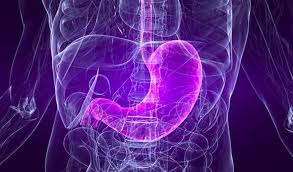
It’s common to have some stomach contents back up into the esophagus (the tube between the mouth and stomach) especially when we burp, and this is known as common heartburn. However, excessive backwash of stomach acid, sometimes also containing enzymes, causing symptoms twice weekly or more is what we refer to as GERD. It occurs regularly in an estimated 10 to 30% of us and, over time, can create damage in the esophagus, such as inflammation, bleeding, ulcers, narrowing or scar tissue, known as Barrett’s Esophagus, a pre-cancerous condition. It can even be the cause of chronic cough or asthma (when the acid is inhaled into the lungs), chronic sinusitis, dental erosions and laryngitis.
Risk factors include:
-
Conditions that increase the upward pressure on the “gastroesophageal sphincter” (the valve between the stomach and esophagus, also referred to as the “lower esophageal sphincter”) such as:
-
Anything that relaxes the sphincter, such as:
-
Reduced “motility” – a decrease in the normal digestive movements that push food forward in the digestive system. Food sits in the stomach longer, increasing risk of reflux, and any stomach contents that do backwash into the esophagus will not be pushed back into the stomach as quickly.
-
A dry mouth – less saliva to help wash refluxed acid back into the stomach, plus saliva actually neutralizes some of the acidity.
Certain foods, such as coffee and tea, tomatoes and other acidic foods, alcohol, carbonated beverages, and chocolate, can aggravate reflux – note what you ate before episodes and avoid these foods as one strategy to help prevent the problem.
Keep in mind that the level of pain and the amount of damage are not necessarily correlated. Often we have reflux with no symptoms at all. Be aware that black, tarry stool is an indication of bleeding somewhere in the digestive system, and see your doctor as soon as possible if this occurs. Also, heartburn or chest pain that is not relieved by an adequate dose of antacid could be a sign of a heart attack – again don’t waste time getting medical help if this is the case.
Here is a link to a simple questionnaire to determine whether you may have GERD:
http://www.aafp.org/afp/2010/0515/p1278.html
Although questions 3 and 4 of the questionnaire seem counter-intuitive to me, with increased frequency of pain and nausea in the upper central abdomen awarding fewer points, this questionnaire has been found to be 65-70% accurate in predicting GERD, similar to a diagnosis by a gastroenterologist. Presumably, mild pain or nausea, such as is felt when hungry, must indicate an ability to sense the presence of acid and enzymes in the stomach and, therefore, also in the esophagus if present.
MEDICATIONS FOR REFLUX
Antacids can give rapid symptom relief, but do not help to heal any damage in the esophagus. Histamine H2-receptor antagonists, such as ranitidine (Zantac) and famotidine (Pepcid), like antacids, also give temporary relief, with slower onset but longer action than antacids. Long-term use is not recommended with these, as the body develops tolerance to their effect within 1 to 2 weeks, and they are not as effective as prescription medications for healing damage in the esophagus.
Proton pump inhibitors (PPIs), such as omeprazole (Losec or Prilosec), pantoprazole (Tecta or Pantoloc), esomeprazole (Nexium), lansoprazole (Prevacid), rabeprazole (Pariet or AcipHex) and others, block the production of acid in the stomach, greatly reducing the acidity of any stomach contents that regurgitate into the esophagus. They are the drug of choice for healing damage from acid reflux. However, not everyone responds well to these medications. Studies suggest that those who are average or over weight, have nighttime pain, get relief from antacids or H2-receptor antagonists or do not have nausea as a symptom are more likely to respond to a 2-week therapy of PPIs.
Concerns with these drugs include failure to respond, increased chance of infection with H. Pylori (the bacteria associated with increased risk of ulcers), increased risk of C. difficile infection, increased risk of pneumonia and decreased absorption of vitamin B12 and calcium from food (with corresponding increased risk of bone fractures if taken long term). Rebound acidity with a return of symptoms can also occur when discontinued after as little as 8 weeks of use and can last for 9 to 12 weeks, creating a dependency on these drugs. It is suggested that tapering off the medication slowly may help reduce rebound.
And, acid itself is one of the factors that encourage the sphincter to close more tightly. So, chronically lowering stomach acid essentially opens the door to more reflux. This may be why one tablet of a PPI is often not enough – stomach acid needs to be completely blocked to eliminate symptoms.
POSSIBLE ALTERNATIVES
So, what other options are available? Surgery to create a replacement valve at the top of the stomach (similar to what is done to replace heart valves) is one option. Another new idea being tried, according to Mayo Clinic, is the surgical addition of a magnetic ring around the lower esophageal sphincter, strong enough to support it but weak enough to let food pass through.
Surgery is suggested for those with osteoporosis, serious respiratory or esophageal complications of GERD, or poor compliance to medication – those with more severe disease or for whom PPIs may be less effective or possibly harmful.
Small studies suggest low carbohydrate diets along with avoidance of trigger foods may help. One study found acupuncture (used to increase motility, the normal digestive movements that push food forward) along with a single daily dose of PPI was superior to doubling the daily PPI dose, in those who did not respond to the once daily dose of PPI.
Animal and “in vitro” (outside of the body) studies suggest that natural compounds such as curcumin and quercetin that lower inflammation may be helpful in reducing esophagitis, but no studies have yet been done in humans.
A human study comparing 175 patients on omeprazole (Losec) with 176 patients on a combination of melatonin and a specific nutrient supplement showed better response to the melatonin/nutrients than to omeprazole 20mg daily, with 100% response after 40 days vs 66% of those taking omeprazole. The non-responders to omeprazole were switched afterward to the nutrient combination, and 100% of those responded as well.
The nutrients used were: melatonin 6mg, tryptophan 200mg, vitamin B12 50mcg, methionine 100mg, betaine 100mg, folic acid 10mg and vitamin B6 25mg. All of these are known to either increase the pressure of the lower esophageal sphincter or to increase motility (food-pushing movements) of the digestive system and could offer an alternative to PPI therapy. Two of these ingredients, tryptophan and folic acid (at that strength) require prescription in Canada. Another smaller but interesting study (60 patients) found that melatonin 3mg increased the lower esophageal sphincter pressure and relieved symptoms, alone and along with the PPI, omeprazole 20mg. These studies suggest treatments that might be especially helpful for those trying to discontinue PPI therapy.
Lastly, “raft-forming agents”, natural substances that create foam that can float to the top of the stomach, are effective in reducing symptoms of GERD and may be helpful in those weaning off long-term PPI therapy. Gaviscon is a brand name of this type of medication, and generic versions are also available. It is recommended to chew 2 to 4 tablets and follow with ¼ glass of water to enhance effectiveness.
IN SUMMARY…
Things you can do to help reduce reflux include:
See your doctor if you have reflux symptoms that are severe or frequent. If you have another condition that can be caused by acid, ask if reflux may be the cause. Remember that black tarry stools or chest pain not relieved by antacid are warning signs that you should see a doctor about right away. If you have been on PPI therapy for a long time, talk to your doctor about tapering off and using alternatives, if necessary, to avoid the consequences of long-term use.
Hopefully this has given you a good sense of the issues and concerns around what may just seem like an annoying symptom, enabling you to have a better discussion with your doctor.
Send me your comments or ideas for a future blog through the comment button at the bottom of this page!
References:
Melatonin study: Regression of gastroesophageal reflux disease symptoms using dietary supplementation with melatonin, vitamins and aminoacids: comparison with omeprazole.
Mayo Clinic: Mechanisms of GERD

 Jeannie Beaudin, Artist and Author