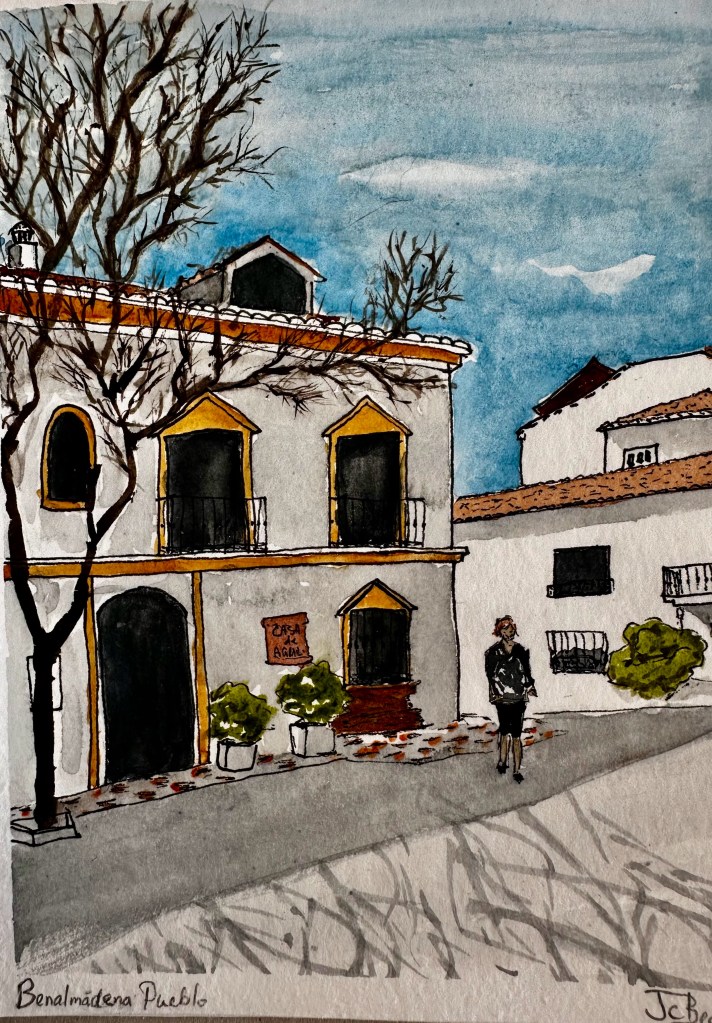
Meet Katie…
I was involved in promoting health research in New Brunswick for a number of years, and was even chair of the Board of Directors of the NB Health Research Foundation for 3 years and its Vice-Chair for 3 years before that. Along with being a pharmacist (for longer than I like to admit out loud…) I’ve learned a lot about research, including how problematic it can be to get new discoveries into actual use on the front line of patient treatment.
This is called “Knowledge Translation”, nicknamed KT (or sometimes referred to as “Katie”) — translating the knowledge gained through years of research, into actual practice in hospitals and doctors’ offices. People tend to be resistant to change, doctors are trained to follow protocols, and protocols are too often difficult to update. Research results that involve lifestyle or diet changes can get lost in the sea of drug solutions…
It takes, on average, 17 years for changes to get from “bench” to “bedside” — that’s incredible really, and is very likely delaying needed improvements in treatments!
Last week I wrote about the problem of Insulin Resistance, and that’s a good example of a lack of knowledge translation — we continue to look only at glucose blood levels when researchers (and most health professionals) know Type 2 diabetes is a disease of insulin resistance, with raised insulin blood levels. That was discovered almost 100 years ago by Joseph Kraft, a prominent researcher of insulin resistance. Insulin doesn’t work as well when our bodies are insulin resistant, so the body produces more to get the insulin action we need when our cells are resistant to the action of insulin, creating detrimental effects throughout the body because of insulin’s many actions in the body.
But because historically it has been easier to measure blood glucose (“sugar”) than insulin and, in spite of claims I’ve read that you can test your blood insulin for as little as $25 USD (which sound inexpensive to me), it’s still considered an expensive and difficult test to do. In most places, it’s not included in standard blood tests, even though (as I mentioned last week) it could alert you that you were developing diabetes several years before a blood sugar or glucose tolerance test would detect the problem.
So, to cut through the “red tape”, some researchers are now publishing their research results in book form (the traditional route has been to publish in medical journals, which they also do). In my research for last week’s blog, I discovered one such book, by Dr. Benjamin Bikman, PhD, metabolism researcher and professor at professor at Brigham Young University, where he directs the Diabetes Research Lab in the Department of Cell Biology and Physiology. It is called “Why We Get Sick: The Hidden Epidemic at the Root of Most Chronic Disease–and How to Fight It”.
Of course, you do need to look closely at the credentials of any writer (as I’m sure you’ve looked at mine!) I certainly looked at Dr. Bikman’s background and found him to be reputable, the type of researcher we would like to have funded when I was involved in health research.
In his book, Dr. Bikman explains the results of his research (and that of others) very clearly and offers a solution/preventive strategy through lifestyle and diet changes, all based on science with footnotes included, so if you’re keen to look up the original research the links are there. My kind of book! I’ve ordered a copy that I plan to share with family and friends — anyone who wants to avoid the long list of chronic diseases associated (and likely caused) by insulin resistance and elevated blood insulin, according to Dr. Bikman’s research. The good part, whether you are trying to prevent or correct insulin resistance (remember that 1/3 to 1/2 of us probably are affected), you can make the changes yourself. It’s all about correcting diet and lifestyle. No prescription needed!
But meanwhile (if you have a good relationship with your doctor and can discuss such things), it’s interesting to know that Metformin, a safe drug that’s been around for many years, reverses insulin resistance. If you have symptoms of insulin resistance (weight gain around the waist, high blood pressure, etc., have been diagnosed with “pre-diabetes”), or any of the chronic diseases associated with insulin resistance, or your triglyceride to HDL-cholesterol ratio is elevated, it’s worth having a conversation. Metformin can help reverse the effects of elevated insulin while you implement the necessary changes in your diet and lifestyle to reverse your insulin resistance. After decades of use, it’s considered a very safe drug with limited side effects (mainly the potential of stomach upset, which can be mitigated by taking it with food and increasing the dose gradually). It’s also interesting that longevity experts recommend taking Metformin as people, on average, live longer when taking the drug, whether or not they have been diagnosed with diabetes.
Once I’ve read the book “Why We Get Sick” (the last section, Part 3, is all about how to make the changes!) I may be tempted to pass some suggestions along… healthy advice for us all! But, meanwhile, if you have suggestions for a blog or a question you’d like answered, let me know. I’ll try to find answers for you!
Note: The painting above is of my friend Katie in Benalmadena Pueblo… [I’m still learning to paint figures 🙂 ]
And a final post note: I’m setting up an “Art Priority List” for those who are interested in following my art and seeing it first! Just click this link https://mailchi.mp/bbfbd5414055/art-priority-list to sign up directly on my site or drop me a note with your email at jeannie.beaudin@gmail.com and I’ll sign you up!
 Jeannie Beaudin, Artist and Author