Categories
Uncategorized

Measles – Should we worry about it?

This week I read another article about the dramatic increase in measles in many countries, this time in CNN’s online health newsletter. They reported that the number of measles cases in 2019 is already the second highest in the last 25 years (with just 3 months reported so far): 555 cases reported in US, and 33 in Canada. Over 110,000 cases have been reported globally in the first quarter of this year, almost 3 times the number reported in the same period last year. The World Health Organization estimates that fewer than 1 in 10 cases are reported, however, so actual numbers would be much greater.

Why is it increasing?

Experts believe one reason is due to lack of vaccination. While some families lack access to routine vaccines, some parents choose not to vaccinate their children. Negative information about vaccines has been circulating on social media for years, with exaggerated warnings of the dangers of routine vaccinations, and no discussion about the benefits of vaccines and the many lives that they save every year.

How safe are vaccines?

As a pharmacist, I was trained to give vaccines and had to complete many hours of training, learning extensive information about vaccines, how they work, their effectiveness, negative reactions that could be expected (and how often they happen) and how to ensure they are used safely. I learned that vaccines are considered the most effective health strategy in history, having saved more lives than any other health intervention, including antibiotics. While some true reactions to vaccines do occur rarely, and certain individuals need to avoid vaccines or take them in a controlled setting such as a hospital or doctor’s office, the overall benefit of routine vaccines is much greater than the risk for the vast majority of people. Those who give vaccines are trained to watch for any sign of a reaction and treat it quickly. The most serious reaction to vaccines is anaphylaxis, a total body allergic reaction that can be fatal, and it occurs in 1.3 per million people who are vaccinated.

Much of the anti-vaccine movement is based on an incorrect article published in the ‘90s that reported autism was associated with the MMR (measles, mumps, rubella) vaccine. This article that started the controversy in 1998 was since withdrawn by its publisher but is still quoted widely despite overwhelming proof it was incorrect. You can read about it here.

Unfortunately, this article is still being shared widely on social media, and the result is that children are getting sick in record numbers. Some have even died from a disease that’s entirely preventable with a vaccine. These diseases have been so well controlled for so many years, that younger generations don’t realize how serious these illnesses can be.

Is measles serious?

Here is what the Center for Disease Control (US) lists as problems that occur when large numbers of children have measles:

  • 1 in 10 develop ear infections that can result in permanent hearing loss

  • Diarrhea occurs in close to 1 in 10 children

  • 1 in 20 children develop pneumonia (most common cause of death)

  • About 1 in 1000 develop encephalitis (brain swelling) that can cause convulsions, deafness or intellectual disability

  • For every 1000 children who get measles, one or two will die from it

  • Subacute sclerosing panencephalitis (SSPE) is a fatal brain disease that rarely develops 7 to 10 years after an apparent full recovery from measles. It is estimated to occur in 4 to 11 per 100,000 cases of measles.

Think of others…

Some people truly cannot tolerate certain vaccines and others, who are ill, may not respond adequately to them. If enough of a population is protected, however, there aren’t enough susceptible people left to spread the disease and create an epidemic. They call this “herd immunity”… the whole “herd” or population is protected when enough people get vaccinated. Because MMR vaccine has been avoided by too many people in certain areas of the world, we are again seeing outbreaks of mumps and measles. When you get vaccinated, you are protecting not only yourself but others you are in contact with who could catch the virus from you.

If you have doubts or questions about any vaccines, please talk to your doctor or pharmacist.

Update from World Health Organization (posted April 25, 2019)

Measles cases have increased 300 per cent in just a year

  • Univadis Medical News

  • Sent 25 April 2019

Preliminary data published by the World Health Organization (WHO) show measles cases are continuing to rise, with reported cases increasing by 300 per cent in the first three months of 2019 compared with the same period in 2018. According to the data, 170 countries have reported 112,163 measles cases to the WHO so far this year. In April 2018, there were 28,124 measles cases from 163 countries.

The WHO said a number of countries are in the midst of “sizeable measles outbreaks”, with all regions of the world experiencing a sustained rise in cases. It said in recent months, there had been spikes in case numbers in countries with high overall vaccination coverage, including the United States of America, Israel, Thailand and Tunisia, “as the disease has spread fast among clusters of unvaccinated people”. Earlier this month, authorities in New York declared an emergency amid a measles outbreak in parts of Brooklyn.

The WHO said responding to measles would require a range of approaches to ensure all children get their vaccines on time, as well as “effective public-facing communication and engagement on the critical importance of vaccination, and the dangers of the diseases they prevent”.

References:

CDC (US)

Health Canada

CNN

Wakefield paper withdrawn

Univadis report from WHO

Categories
Health

Autoimmune disease – more common now than cancer and heart disease

Autoimmune diseases occur when the body’s immune system attacks its own cells and tissues. This class of diseases includes many familiar ones like multiple sclerosis (MS), inflammatory bowel disease, Lupus, rheumatoid arthritis, Hashimoto’s thyroiditis, and over 100 more. It’s become the most common type of disease, more common than heart disease and cancer, and rates are increasing each year.

And because autoimmune disease takes time to show up and often has diverse symptoms, it can be difficult to diagnose. Patients with vague complaints are sometimes told they are depressed or just imagining their symptoms when their doctor cannot identify an obvious cause. It takes a person an average of 5 years and 5 doctors before an autoimmune disease is finally identified, according to the American Autoimmune Related Diseases Association (AARDA).

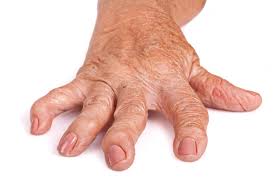
This happened to my mom when she was admitted to hospital last year because of shortness of breath and low blood oxygen. She was diagnosed first with heart failure, then pneumonia but the treatments for these conditions didn’t help. When they finally diagnosed that the rheumatoid arthritis she’d had for 2 years had attacked her lungs, too much damage had occurred, and she died in hospital. Apparently, the lungs are the most common non-joint area affected by rheumatoid arthritis, so one might think it could have been detected earlier – before her lungs became irreversibly damaged. But this is the nature of autoimmune disease: it often mimics other more common illnesses and is missed.

Autoimmune disease occurrence sharply increased in the 1980’s and 90’s. An Israeli study that looked at 30 studies from the last 30 years found the following yearly global increases in autoimmune diseases:

Rheumatic (arthritis-related) disease – 7.1%

Endocrinological (hormone-related) disease – 6.3%

Gastrointestinal (digestive system) disease – 6.2%

Neurological (nervous system) disease – 3.7%

And that’s been average increases yearly, worldwide, for the past 30 years.

But what has caused these dramatic increases in autoimmune diseases? Researchers don’t know for sure, but there are several theories.

Environment

Our environment has changed drastically over the past 100 years. And, although we have better medicine, cleaner water and plenty of food, these may have some connection with the onset of autoimmunity.

For example, the overuse of antibiotics has changed the make up of the normal bacteria that live in our digestive systems. Scientists are now realizing that some of these bacteria control our immune system activity.

Advanced farming practices have meant that our food is raised differently. As one researcher put it: not only are we what we eat, we are what our food eats! Different food for animals and plants means different nutrients (and perhaps missing nutrients) in our food. As well, processing food changes what it contains. Even the simple process of creating white flour removes many nutrients from the food that is made with it. And chemicals, not normally found in food, have been added for various reasons including increasing shelf life. Some speculate that some of these changes may be involved in the onset of autoimmunity, interfering with our systems’ ability to distinguish self from non-self. We need more study particularly to determine what effects commercially used chemicals may be having on autoimmunity.

Genetics

If one family member is diagnosed with an autoimmune disease, others in the family are at higher risk of developing that disease or another related one. Since these diseases can tend to run in families, it is suspected that there may be genes that can be inherited, making a person more susceptible.

Also 75% of autoimmune diseases occur in women. Some researchers have suggested that a tiny part of the X chromosome, called microRNA, is involved in immune system function. Since women have two X chromosomes, while men have one X and one Y chromosome, this might explain why women live longer but have a greater chance of immune dysfunction.

However, autoimmune diseases are increasing much faster than genes can pass them on. Scientists feel that it must be a combination of genetics plus exposure to something in the environment that could cause such dramatic increases in these diseases.

Hygiene hypothesis

Because the occurrence of infectious diseases was decreasing at the same time as autoimmune disease has been increasing, researchers theorize that the absence of infection is affecting our immune systems. Scientists are saying that our systems need regular and early exposure to common harmless bacteria to learn how to react to threats.

We are exposed to bacteria first during natural birth and breastfeeding, but also by spending time outdoors in green spaces, and eating a varied diet (especially fermented foods). We even seem to pick up good bacteria from those we are close to. The greater the diversity of organisms in our digestive system, the healthier we tend to be.

Stress

A 2018 study published in the Journal of the American Medical Society found that people with diagnosed stress-related conditions were significantly more likely to develop an autoimmune disease than those without. People with PTSD (post-traumatic stress disorder) who received treatment had lower chances of developing an autoimmune disease.

The idea of grouping these autoimmune diseases together, as they do with cancers, is relatively new. They’ve been thought of and researched as independent illnesses. However, they may have common factors and similar processes triggering the immune system to malfunction in different ways, attacking different parts of the body, and creating a different disease. Researchers are asking for a central database where occurrences of autoimmune diseases would be reported, so they can gain a better understanding of how many are affected, where cases are occurring and how quickly diseases are increasing. More information can lead to better understanding and research on this poorly recognized and understood group of diseases.

So, if you have vague symptoms and you are sure something is wrong with your health, persevere… try the treatments your doctor is recommending but, if they don’t help, keep asking. It might just be that 5th doctor who figures it out!

References:

Why Are Autoimmune Diseases on the Rise?

The World Incidence and Prevalence of Autoimmune Diseases is Increasing (International Journal of Celiac Disease)

Association of Stress-Related Disorders With Subsequent Autoimmune Disease

Categories
Health

Needles are good for you…

Knitting needles, that is…

It’s been a busy week: a long haul back from Spain, dealing with lost and damaged luggage, unpacking, laundry… and jet-lag, of course.

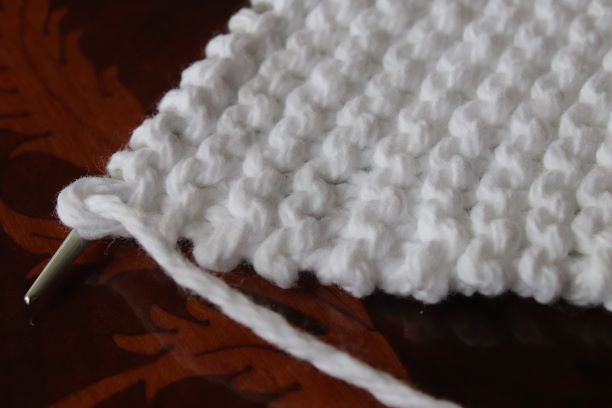
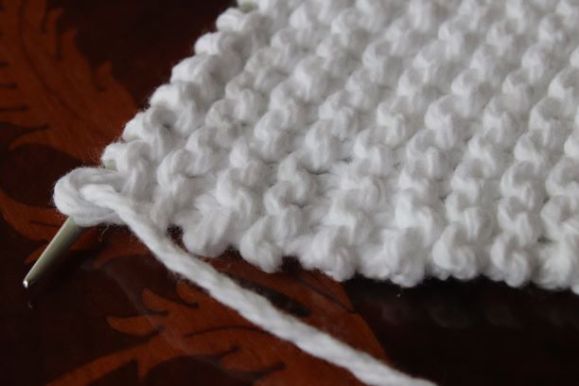
But when I saw this article, I wanted to share it with you. You may know that I am an avid knitter – my grandmother taught me when I was 6 and I took it up in earnest at age 8 or 9 when I received a “how to” book on knitting. I’ve been knitting ever since! But did you know that knitting is good for your mental and physical health?

Research shows that knitting can reduce depression and anxiety, lower blood pressure, distract from chronic pain, decrease loneliness and isolation, and just generally make you feel good!

I’ve always found knitting to be soothing and relaxing – sort of a form of meditation. It’s something about the repetitious movements of forming the stitches, I think. And, if you choose a more complex pattern, you need to block out other thoughts and focus on the pattern or you may find yourself unravelling some of your work! It’s really a form of meditation at the same time as you are creating something…

Studies say that knitting can actually induce the “relaxation response” — I wrote about this back relaxation technique back in March of 2017. Click here to see it. So, from this point of view, it compares with other relaxing activities like meditation and yoga… except you are creating something beautiful and useful at the same time. And, if you give the item away, you add in some of that great feeling you get by helping others.

I guess this may be why, as researchers have discovered recently, knitting can help reduce anxiety, depression, chronic pain and more. And in addition, when you’re done, you have the reward of a useful knitted item like a hat, scarf, mittens, socks or sweater! What could be better than a relaxing activity that provides a sense of accomplishment?

So, ff you’ve never knitted, give it a try. Pick up an inexpensive ball or two of colourful yarn and a pair of knitting needles (the label on the ball will tell you what size to buy!) and Google “how to knit”. Or just ask a friend who know how. I’m sure they’d be excited to help you learn!

Mental Health America article:

http://www.mentalhealthamerica.net/blog/mental-health-benefits-knitting

Inspiring anecdote from writer Chloe Grundmeier:

https://dailyevergreen.com/52666/life/try-knitting-for-your-mental-health/?fbclid=IwAR2vqUm6HA20x2wXtp-UDiBnzhZZyZLQHN_ABsqvGh–paXQk5z2o7L-N0Y

Here’s the science:

https://www.medicalbag.com/home/lifestyle/knit-one-purl-one-the-health-benefits-of-knitting/

Categories
Health

Vitamin K2 – the Link Between Heart Disease and Osteoporosis

A hen and her chicks in the garden at our apartment building in Spain

Well, some of our family have gone home to Canada, and I’m finding a bit more time to read these days. I’m into a book about the tie between heart disease and osteoporosis. Who would have thought there is a connection? I certainly didn’t. But the book’s explanation of why we are seeing too much of these chronic diseases makes sense…

The connection is calcium – too little of it leads to thinning of bones and risk of osteoporosis – and too much can result in calcification (or “hardening”) of the arteries and blockages that can cause heart disease when they occur in arteries that supply the heart muscle. While this seems to present a paradox… too much calcium in one case and too little in the other… the link is a nutrient that controls where calcium goes in the body.

That nutrient is vitamin K2, a vitamin that was not widely studied until the last 20 years. It’s sister vitamin, K1, was researched more thoroughly as it was thought to be the only active form of vitamin K in the body. K1 is needed for blood clotting and is the vitamin whose action is blocked by the blood thinner, warfarin.

Vitamin K2, on the other hand, controls where calcium goes once it’s absorbed from the digestive system. It does this by activating two substances: osteocalcin and matrix gla protein (MGP). Once activated by vitamin K2, osteocalcin attracts calcium to bones and teeth making them stronger. Activated MGP, on the other hand, sweeps excess calcium away from soft tissues, including arteries and veins, preventing and removing dangerous plaque from inside arteries. A lack of vitamin K2 means that osteocalcin and MGP cannot be activated and therefore cannot perform these important functions.

Vitamin D is important too. You likely already know that this vitamin is needed to absorb calcium from your digestive system. This makes it an important factor in preventing osteoporosis. You may have taken calcium supplements with vitamin D added right into the tablet and probably have learned that it’s called the “sunshine vitamin” because we make it when the sun shines on our skin.

But vitamin D is also needed to make the MGP protein that removes calcium from soft tissues, preventing and reversing hardening of the arteries. So, vitamins D and K2 work together to prevent both osteoporosis and heart disease – vitamin D helps to get calcium into your system, and both vitamins K and D are needed to make sure the calcium goes to the right place.

Recommendations for calcium and vitamin D supplements have recently changed. Although recommended for many years for prevention and treatment of bone loss, recent studies suggest there may be more harm than benefit, especially in healthy adults and that there’s more to having healthy bones than just swallowing lots of calcium.

This information about vitamin K addresses several “paradoxes” in our explanation of causes of heart disease: Why do 50% of people who have a heart attack have normal cholesterol? Why do the French, with their rich, fatty diet, have less heart disease than us in North America? This is often called the “French Paradox”, and could be explained by different farming practices. How could there be so much osteoporosis (a disease of too little calcium) and heart disease (a disease of too much calcium) in a single population eating a similar diet?

Both heart disease and osteoporosis increased when farming practices changed in North America. Grass contains the precursor to vitamin K2 that animals convert for us. When animal feed was changed to grains to simplify production, the animals no longer ate chlorophyll, the green substance in plants with the pre-ingredient needed to produce K2. Without realizing the difference, we dramatically changed the content of our diet. Not only are you what you eat, you are what your food eats!

Vitamin K1 is found in green leafy vegetables, the broccoli/cauliflower family of vegetables, and small amounts in meat, fish and eggs. Animals and some bacteria can convert K1 into K2 but humans cannot. We need to consume it regularly in our diet as we don’t store this nutrient.

Choosing grass-fed meat and pastured eggs (from hens that feed in a pasture) can correct a vitamin K deficiency. Since betacarotene (a yellow nutrient) and chlorophyll (the green stuff in plants that animals make into vitamin K2) usually occur together, butter and egg yolks that contain vitamin K tend to be darker yellow. I’ve noticed that egg yolks here in Spain are a deep golden colour, so I suspect that hens here must be allowed to feed in pastures. Perhaps that’s one reason that the Spanish are one of the healthiest populations with a longer life span than us in North America!

Cheese is produced by bacterial action on milk, and some of these bacteria produce vitamin K2 at the same time. So some cheeses also contain vitamin K2. Some of us also have bacteria in our digestive systems that can convert small amounts of K1 to K2, but these bacteria can’t produce enough K2 to satisfy our needs.

If you can’t find grass-fed food or fermented products with the vitamin, you can take a vitamin K2 supplement. But supplements may not all be created equal. K2 is also called menaquinone or MK and, just to make it complicated, there are several different types of MK, depending on whether they are produced by animals or bacteria. MK-4 comes from animal sources. It works well but is cleared from the blood stream very quickly, so could require dosing several times a day to maintain activity. Menaquinone-7 (MK-7) comes from plant sources, and some feel it’s a better choice as it stays in the blood stream with once a day dosing. Of course, nutrients can continue to have their health effects after leaving the blood and moving into the tissues, so there are two schools of thought on which is better. The bottom line is that any vitamin K2 supplement is likely better than having none at all but, as always, it’s best to get your nutrients from food if possible.

So, I plan to buy my eggs from local farmers whenever I can in the future and will be asking whether they let them out of the coup once in a while. And I’ll be looking for an MK supplement for the days when I don’t have nice yellow-yolked eggs or grass-fed meat! What about you?

If you want to know more, here are some of the references I used:

Vitamin K2 and the Calcium Paradox by Kate Rheaume-Bleue, BSc, ND

Vitamin K2 – A little known nutrient can make a big difference in heart and bone health

Globe and Mail: Are Calcium Supplements Helping or Harming Your Health

Categories
Uncategorized

Podcast – "Becoming Elli"

I wanted to tell you about an interview I had for the podcast, “Becoming Elli: Fit and Strong, Women over 50”. Hosts Chris and Jill asked me lots of questions about fitness and health from a pharmacist’s point of view along with a few questions about my book, Can I Speak to the Hormone Lady?, just released.

The podcast interview, along with a somewhat abstract article I stumbled across about what defines your sense of self-worth (Your job? Your earning power? Are you, as a person, more than what you do for a living?), lead me to ask myself why I blog and why I wrote a book – what is my ultimate goal?

Why do I write?

It certainly isn’t to make money (since it’s highly unlikely I will!). I think it’s partly because I enjoy writing and learning how to improve my writing skills. It’s exciting and healthy to learn new skills after retirement. But mostly I write to share what I’ve learned: I’d like to think that a few things I write might help someone, just as the work I did as a pharmacist helped those I came in contact with.

Part of me (well, really, most of me) would just like to write, and put it out there for those who are interested. But I read that most writing just disappears into the ocean of millions of books and articles that are posted. So that means, if I want to achieve my goal of helping people, I need to do something to help those who could benefit from the information find what I’ve written.

So, while I will soon be back in Canada writing my regular information blog, answering readers’ questions and sharing health information that I learn, I hope no one will be put off by my feeble attempts to get the word out about my new book…

Podcast – BecomingElli.com

As for the podcast… well, I discovered that I tend to talk a lot when I’m nervously talking on a subject I’m passionate about… I think I talked a bit too much (eek!). But the hosts had lots of great questions and some really made me think hard to come up with a good answer. Hope you enjoy the podcast! Here’s the link:

https://becomingelli.com/hormone-health-for-women-over-50-with-jeannie-beaudin/

Heading home soon

Only 10 more days for us, here in southern Spain… then a long trip back home and likely some jet-lag! I hope to be back soon to my usual routine of answering health related questions you may have and sharing interesting information I come across. It just might be time to start working on my next book…

If you have a question about any health or wellness topic, please send me a message through the “Questions / Comments?” button! I want my blog to be about things you want to know…

Categories
Uncategorized

Podcast – “Becoming Elli”

I wanted to tell you about an interview I had for the podcast, “Becoming Elli: Fit and Strong, Women over 50”. Hosts Chris and Jill asked me lots of questions about fitness and health from a pharmacist’s point of view along with a few questions about my book, Can I Speak to the Hormone Lady?, just released.

The podcast interview, along with a somewhat abstract article I stumbled across about what defines your sense of self-worth (Your job? Your earning power? Are you, as a person, more than what you do for a living?), lead me to ask myself why I blog and why I wrote a book – what is my ultimate goal?

Why do I write?

It certainly isn’t to make money (since it’s highly unlikely I will!). I think it’s partly because I enjoy writing and learning how to improve my writing skills. It’s exciting and healthy to learn new skills after retirement. But mostly I write to share what I’ve learned: I’d like to think that a few things I write might help someone, just as the work I did as a pharmacist helped those I came in contact with.

Part of me (well, really, most of me) would just like to write, and put it out there for those who are interested. But I read that most writing just disappears into the ocean of millions of books and articles that are posted. So that means, if I want to achieve my goal of helping people, I need to do something to help those who could benefit from the information find what I’ve written.

So, while I will soon be back in Canada writing my regular information blog, answering readers’ questions and sharing health information that I learn, I hope no one will be put off by my feeble attempts to get the word out about my new book…

Podcast – BecomingElli.com

As for the podcast… well, I discovered that I tend to talk a lot when I’m nervously talking on a subject I’m passionate about… I think I talked a bit too much (eek!). But the hosts had lots of great questions and some really made me think hard to come up with a good answer. Hope you enjoy the podcast! Here’s the link:

https://becomingelli.com/hormone-health-for-women-over-50-with-jeannie-beaudin/

Heading home soon

Only 10 more days for us, here in southern Spain… then a long trip back home and likely some jet-lag! I hope to be back soon to my usual routine of answering health related questions you may have and sharing interesting information I come across. It just might be time to start working on my next book…

If you have a question about any health or wellness topic, please send me a message through the “Questions / Comments?” button! I want my blog to be about things you want to know…

Categories
Book review

I'm so excited!

Hi! I’m back from my blogging break, and it’s time to let you know what I’ve been up to (besides enjoying the Spanish sun)… The book I’ve been working on for 3 years, “Can I Speak to the Hormone Lady? Managing Menopause and Hormone Imbalances” has just been published in e-book and print!

It was quite a challenge to learn about editing, formatting, cover design and all that’s required to publish a book. And I haven’t had a chance to see it in print yet, since I’m still in Spain until the end of March, but the online version looks good on my Kindle. You can take a peek at parts of the e-book displayed in the “Look Inside” function on Amazon.com or Amazon.ca

I’m so excited (and a bit nervous…) to finally have my book “out there”… Please celebrate with me! Here’s a Universal Link to the services where it is available:

https://books2read.com/u/4AJQGo

Categories
Book review

I’m so excited!

Hi! I’m back from my blogging break, and it’s time to let you know what I’ve been up to (besides enjoying the Spanish sun)… The book I’ve been working on for 3 years, “Can I Speak to the Hormone Lady? Managing Menopause and Hormone Imbalances” has just been published in e-book and print!

It was quite a challenge to learn about editing, formatting, cover design and all that’s required to publish a book. And I haven’t had a chance to see it in print yet, since I’m still in Spain until the end of March, but the online version looks good on my Kindle. You can take a peek at parts of the e-book displayed in the “Look Inside” function on Amazon.com or Amazon.ca

I’m so excited (and a bit nervous…) to finally have my book “out there”… Please celebrate with me! Here’s a Universal Link to the services where it is available:

https://books2read.com/u/4AJQGo

#Hormone #Hormoneimbalance #Menopause

Categories
Health

Trouble sleeping?

It’s been a month since I arrived in Costa del Sol, Spain, and I’m still amazed by this beautiful place! And watching the snowy weather reports from back home in Canada, I realize we chose a good winter to travel here.

This week, I have another great article for you… This is the best collection of information I’ve ever found about insomnia, all in one place. It discusses the different types of sleeping problems, common causes, and what you can do to get back to a good night’s sleep.

In fact, I think it’s worth reading even if you don’t have problems sleeping – you may find things you can do (or avoid!) that can improve your sleep further or avoid problems developing in the future.

Here’s the link: https://betterhumans.coach.me/how-to-recognize-and-cure-any-insomnia-symptom-661ebfd119f9 Happy reading!

PS… The photo above is Benalmadena Pueblo, a beautiful village halfway up the mountains, near where we are staying. Note the quiet street and great blackout shutters on the windows… I’m sure they get a good night’s sleep there!

Categories
Health

Going Off Antidepressants

Benalmadena Beach

I’ve had a busy week here in Spain, so not much time to research and write a blog Well, really I’ve been visiting outdoor markets, watching Flaminco dancing, and exploring nearby villages of Mijas and Arroyo de la Miel… busy having fun!

But I did spend one morning reading, and came across an excellent article about antidepressants from Harvard Medical School that I’d like to share. It discusses how the medications work, how long they should be taken, why they can cause withdrawal symptoms, and what to do when you decide (in discussion with your doctor) that it’s time to stop taking them.

Doctors will sometimes recommend continuing antidepressants for years to prevent depression in those who have had multiple severe bouts. But 6 months of treatment is often considered long enough for a first episode. Side effects, like drowsiness, insomnia, headache or sexual dysfunction, that are tolerable when seeking relief from depression may become bothersome and unacceptable once a person is feeling better.

Withdrawal effects that are known to sometimes develop when discontinuing antidepressant medications — called “antidepressant discontinuation syndrome” — can easily be confused with a return of depression itself. Working closely with a doctor while gradually decreasing the dose of the antidepressant is important. A doctor will monitor to ensure any new symptoms are caused by withdrawal and not a return of depression. A gradual taper of the medication will often be prescribed to help to minimize any withdrawal effects. Occasionally a return to a previous, slightly higher dose will be used to ease symptoms before gradually decreasing again.

As a compounding pharmacist, I have made capsules of strengths between those commercially available to allow a more gradual dose decrease in sensitive individuals. But often withdrawal can be managed by using tablets that can be cut, liquids that can be measured in small amounts, or by switching to longer acting medications that are cleared from the body more slowly.

If you, or someone you know, is considering stopping a long term antidepressant medication, I’d encourage you to read more about going off antidepressants here And be sure to work closely with your doctor and your pharmacist to ensure this change is accomplished safely and as comfortably as possible.

Reference:

Harvard Health Publishing