Categories
Health

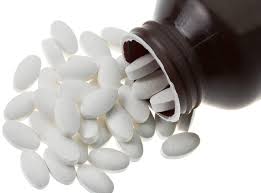
Could calcium pills be risky?

In the past decade, a debate has developed over calcium and vitamin D supplements–should everyone older than 50 take them to prevent osteoporosis (weakened, porous bones)? The amount of calcium in our diet, the quantity of vitamin D we make in response to sunlight, and the amount of exercise we get are important factors in preventing bone loss.

Lots of questions…

Can calcium and Vitamin D supplements take the place of a healthy diet and exercise? Can we get enough of these nutrients without supplements? How much is enough? Can too much be dangerous?

Here’s the controversy:

Several years ago, the US Preventive Services Task force issued a statement saying there was not enough evidence to support a need for calcium supplements in older adults who did not have osteoporosis or vitamin D deficiency.

In December 2017, the Journal of the American Medical Society published an analysis of 33 trials on older adults not living in nursing homes. It found no clear benefit from these supplements.

Another concern with supplements is the large “bolus” of calcium that floods the blood stream after a tablet is taken. Studies suggest that this could increase the risk of heart disease, with some showing up to 30% increased risk in those taking calcium supplements. Recommendations now suggest dividing calcium supplements over the day if they are being taken to avoid a spike in blood calcium. However, the problem is that researchers did not design these studies to look for potential heart problems, so we cannot completely trust these results. We need more research to confirm this.

Vitamin D–more controversy

The official recommended daily amount (or “RDA”) of vitamin D is 400iu per day, but this is the quantity needed to avoid Rickets, a disease of softening of the bones. As discussed in an earlier blog, we now know that we need larger amounts of vitamin D for a healthy immune system. Experts suggest 800 to 1000iu daily for those who are not making their own vitamin D due to lack of sunlight exposure, but researchers are still trying to decide how much is ideal. If you missed that article, click HERE to link to it.

And,a new concern…

This week, a new study published in the journal “Gut” suggests calcium supplements may increase the risk of polyps in the colon after 6 to 10 years of therapy… and polyps are important “precursors” to colon cancer (meaning: polyps are a stage in the development of cancer). Again, researchers said that more research is needed to confirm their results—being the first study to suggest this connection—but are concerned since millions of people take them.

Supplements versus food

One difference between getting calcium from a supplement rather than food, is that most common supplements contain calcium carbonate. Even when taken with food, this form of calcium is only 20% absorbed. The other 80% remains in the bowel where it causes constipation and, perhaps, also polyps.

Calcium in food, on the other hand, can be much more highly absorbed, especially when you have adequate vitamin D. I have read studies that found as little as 300mg of absorbed calcium a day in the diet can keep bone healthy, compared to 1000 to 1200mg recommended in supplement form. The difference, however, is likely due to the low level of calcium absorption from tablets.

A broken bone, like a hip or the spine, can devastate the life of an elderly person. And drugs for osteoporosis are expensive, difficult to take and have serious side effects. The best way to prevent osteoporosis and bone fractures is to exercise at least 3 times a week, don’t smoke, get adequate sunshine (or supplement vitamin D in a northern winter), and eat calcium-rich foods. Examples of these foods are dairy products, vegetables, fish (especially with dissolved bones), mineral water, and even tap water! See the reference “Calcium in food information” below for more details.

If you’re curious about your bone health, you can calculate your risk of a fracture here. (Note: conversion tool on the right to change pounds and inches to kilograms and centimeters)

References:

JAMA article

Gut online

Calcium in food information

++++++++++++++++++++++++++++++++

If you enjoy my articles, please click “Join my mailing list” in the purple box. As an aspiring writer, it is important to build a mail list to attract a publisher when my book is (finally!) finished. I promise not to share your contact information, and I only email a link to my new blog once weekly at most!

+++++++++++++++++++++++++++++++++

Categories
Health

Forget about the calories…

Which is better… a healthy low-fat diet or a healthy low-carb one? A new study published in the Journal of the American Medical Society (JAMA) this month asked this question. The answer was: no difference. But participants all lost weight without restricting calories. How did this happen?

The DIETFITS study (the Diet Intervention Examining the Factors Interacting with Treatment Success) studied 609 overweight adults aged 18 to 50 for one year. Participants attended classes with dietitians every 2 weeks to learn healthy eating habits, with half learning ways to achieve a lower fat content in their diet and the other half learning to lower their dietary carbohydrates. All participants were encouraged to focus on eating plenty of vegetables and whole foods, to eat at home whenever possible, and to avoid processed foods and added sugar. They were encouraged to follow accepted physical activity guidelines, but most did not increase their exercise. They were not instructed to count calories or record what they ate and were encouraged to eat until they were satisfied.

The result?

The result was: both groups lost significant weight. Their success in reaching a healthier weight was not influenced by their genetics or insulin-response to carbohydrates, contrasting with other theories that suggest a person’s diet should be recommended based on their DNA or ability to metabolize fat or carbs.

Some people lost as much as 50 to 60 pounds, and reported they had “changed their relationship with food”. The average weight loss was 5.3 kg (11.7 lb) for the low-fat group and 6.0 kg (13.2 lb) for the low-carb group. Both groups noted other improvements in health factors, such as reduced waist size, body fat, blood sugar and blood pressure.

And the conslusion from this?

Researchers concluded that it is the quality, not the quantity, of the diet that helps people manage their weight in the long run. A key factor is learning to avoid adding sugar and eliminating processed foods that often have sugar and other additives hidden in them – relying instead on more plant foods to satisfy the appetite. Sounds very much like Michael Pollan’s Food Rules that I’ve discussed before:

  • Eat real food (not processed),

  • Mostly plants, and

  • Not too much!

It’s good to see that different researchers are coming to the same simple conclusion about what makes a diet healthy, after so many years of practically needing to be a chemist to understand the various chemicals and components of our food that we were supposed to include or eliminate. A good, healthy diet should be easy to follow… and eating a diet that is focused on plants and whole foods, with just enough to satisfy your hunger, is about as simple as it can get, I would say!

The photo above is my homemade seafood pizza – no additives, made from scratch! Nothing processed, no added sugar, and a few veggies added for balance. After years of counting calories and carbohydrates, scrutinizing food’s fat content for “good” omega fats or “bad” saturated fats, or checking the “glycemic index” measurement (how quickly the carbohydrates were converted to sugar) of various foods, I find it refreshing to finally have a simplified way to achieve a healthy diet. If you think so too, feel free to share with someone else who wants to simplify their life!

References:

https://jamanetwork.com/journals/jama/article-abstract/2673150?redirect=true

https://www.irishtimes.com/life-and-style/health-family/want-to-lose-weight-new-study-says-reducing-calories-not-the-answer-1.3400119

Categories
Health

Stomach meds and your immune system…

A new report in our Canadian pharmacy journal, Pharmacy Practice Plus, describes a Health Canada review of the association between stomach medications known as Proton Pump Inhibitors or PPIs (Losec, Prevacid, Nexium and others) and a type of autoimmune disease, SCLE (Subacute Cutaneous Lupus Erythematosis). Health Canada determined that there was enough evidence of an association between the drugs and this disease that product safety information should be updated to warn consumers.

SCLE is a rare disease, but since PPI drugs are available without prescription and are taken regularly by so many people, Health Canada wants to raise awareness of this potential safety issue. Of 18 international reports of patients with SCLE taking one of several different PPI stomach medications, 16 recovered when the drug was stopped, and at least one developed the disease again when the drug was restarted.

Autoimmune disorders have increased worldwide in Westernized societies over the past 30 years. Currently it is estimated that approximately 2 million Canadians and up to 23.5 million Americans suffer from autoimmune diseases, such as Lupus, Type 1 diabetes, inflammatory bowel diseases, MS, Rheumatoid Arthritis, Hashimoto’s Thyroiditis and others… all are caused by an immune system not working properly. Although long-term studies are scarce, in US immune disorders were documented to have risen from 3% in the 1960s to 9% in 2009.

Given that bacteria in the gut are now known to influence the immune system, and that PPI acid-blocking medications can cause a change in gut bacteria, it should not be a surprise that there is an association between their use and an autoimmune disease. Perhaps researchers should be looking at whether there might be an association between PPIs and other diseases caused by immune system dysfunction.

If you have an autoimmune disease and are taking regular stomach medications, talk to your doctor about this possible association and whether you should consider stopping this medication.

Here is a link to a blog I wrote earlier about the problems that can be caused by long term use of PPI stomach medications: Do-you-take-daily-stomach-medicine

And the Health Canada report is here: Health Canada if you are interested in reading the summary.

Categories
Health

Kidney stones… “childbirth” for men

They say passing a kidney stone can be as painful as giving birth. After watching my husband suffer with unrelenting pain from a stone for a week, followed by intermittent pain for another 10 days as his swollen kidney healed, I think I’d agree. It might even be worse than labour — renal colic, the pain from a swollen kidney when a stone blocks urine flow, is constant and can last for days. And the “reward” you get after all that? A tiny piece of rough, spiky stone!

How common are kidney stones?

Kidney stones are becoming more common, according to a recent study published in the journal “Mayo Clinic Proceedings”. Part of the increase is because new imaging techniques, like ultrasound and CT scans, allow us to see small stones that cause few symptoms and would otherwise have been missed. But, compared to 30 years ago, twice as many are reported in men and four times more in women, with significant increases in younger women, suggesting something else is happening as well. About 10% of people will experience one at some time in their lives.

Where do they come from?

The stones are made of material that has precipitated out in the kidney, ureters (the tubes that urine flows in from the kidney to the bladder), or the bladder, creating a rough, irregular shaped crystal. Normally, this material – calcium, phosphate, oxalates, and less commonly, struvite or uric acid – stays dissolved in the urine. Struvite stones are often associated with infections of the urinary system, while uric acid stones are linked to gout and high protein diets, but these types occur less often.

How can you avoid them?

Most stones, about 75%, are made of calcium oxalate. We’re all aware of dairy products as a rich source of calcium, and oxalate is also in many foods, including beets, rhubarb, chocolate, tea and nuts. Reducing your intake of calcium and oxalate is one strategy to reduce your risk of the most common type of kidney stone.

But the other strategy is to reduce the risk of these minerals precipitating out in the kidney by drinking lots of water to keep them dissolved. The Mayo Clinic advises drinking 2 to 3 liters (quarts) of water and reducing salt intake to stay well hydrated and create plenty of urine to “flush” the urine system regularly throughout the day.

Treatments?

If you are unfortunate enough to develop a kidney stone, you will be advised to drink lots of water to help push the stone through more quickly. Strong pain medications, usually narcotics, are given to ease the pain and sometimes anti-nausea medications are needed as well. Be prepared to sleep a lot as both these types of medicines cause drowsiness.

If the stone is large, 5mm (0.2 inch) or greater, you doctor may use ultrasound to break it up, allowing it to pass more easily. They may also give you an extra medication, called Flomax (Tamsulosin) to help relax the tubes of the urinary system to allow the stone to pass more easily. If it’s very large, they may need to make a small incision in your back to surgically remove it.

My husband’s 4mm stone took a week to pass and he lost about 20 pounds in the process, being unable to eat due to the associated nausea. You may have been wondering why I was less regular in posting my blog lately! Although I haven’t read warnings about it, he found that even more than a week later, alcohol or coffee seemed to irritate his still-swollen kidney, resulting in significant pain the following day. We thought there must be another stone until he noticed the association and quit both, just in case…

Beyond diet and hydration, genetics may also play a role in whether you are likely to develop a kidney stone. If a close relative has been affected, you may have a greater chance of having one too. The best advice seems to be to consume more water as part of your regular daily routine.

However, be aware that many foods also contain water, and all of it counts. Some foods that are 90 to 95% water include: cucumbers, iceberg lettuce, celery, radishes, tomatoes, green peppers, cauliflower, watermelon, spinach, star fruit, strawberries, broccoli, grapefruit, baby carrots and cantaloupe.

I think we’ll start eating more salads… how about you?

Reference:

CNN News http://www.cnn.com/2018/02/13/health/kidney-stones-study/index.html

Mayo Clinic Proceedings http://www.mayoclinicproceedings.org/article/S0025-6196(17)30844-3/fulltext

Categories
Health

Herbals and Prescriptions…

How safe are they?

Many people think that herbal medications, being natural, are completely safe to take. But this isn’t always true. Herbal medications are really medicines, but just still in their natural plant form.

A new study, published in January 2018 in the British Journal of Clinical Pharmacology, analyzed severe reactions between herbs and drugs that were written up in journals as clinical studies or case reports. They looked at which drugs and diseases were most commonly involved, and how severe the reactions were.

They found interactions of varying types. Herbs could either increase the rate at which regular medications were removed from the body resulting in too little medication, or they could slow down the clearance, leaving too much of the medication left in the person’s system. This could result in patients responding poorly to their prescription medication, or developing toxic reactions to their regular treatments. Either scenario could result in hospitalization for the patient, especially with certain medications.

Most common problems…

The most common serious interactions occurred in people who had heart disease, cancer and kidney transplants. The most common prescription medications affected were: the blood thinner warfarin, “alkylating” chemotherapy drugs, and the anti-rejection drug cyclosporin. For each of these drugs, there is a very narrow “treatment window” – getting just a little too much or too little of the drug they need could cause serious problems with their condition.

Many herbal medicines “thin” the blood (i.e. make it less likely for a clot to form) so can add to the effect of warfarin as well as other anticoagulant or “blood thinner” drugs. Too much thinning of the blood can mean a little bump could cause extensive bleeding under the skin, seen as bruising. Worse, the bleeding can sometimes happen inside the body, usually in the digestive system, where it can’t easily be seen, leading to significant blood loss. One sign that shows a person is losing blood in the digestive system is a black, “tarry” stool – by the time blood reaches the end of the digestive system, it has turned from red to a sticky black, and looks much like tar.

Warfarin works by blocking the production of substances made from vitamin K that the body uses to make a blood clot. Many plants contain vitamin K, including herbal medicines. Increasing the amount of vitamin K in the diet, whether as a green leafy food or a herbal medicine, can help the body make more vitamin K clotting agents – more for the warfarin to block – requiring a higher dose of warfarin to prevent clots. In other words, more vitamin K can suddenly mean the blood will be able to clot more easily, increasing the risk of a blood clot, the underlying cause of heart attacks and most strokes.

Both chemotherapy drugs and cyclosporin need to be given in exact amounts to work properly. Too little and they don’t work as well…too much and they become toxic. So even a small change in how quickly they are cleared from the body can result in too much or too little in the system. Any person taking these medications should check a reputable source of information before taking a herbal medicine – ideally their doctor or pharmacist.

Ask your pharmacist…

Pharmacists receive education in both herbal and standard medications as part of their training. They have access to information on diseases, drugs, herbals, and interactions between these. If you take any prescription medications and are considering starting a herbal medicine, check with your pharmacist first. However, you should realize that a thorough information search requires time. If possible, leave the question with your pharmacist and drop back later to allow time for a proper search.

As well, herbals can interact with a medical condition you have. For example, blood sugar levels can be affected by some herbal medicines and this can be significant if you have diabetes. So, be sure to ask about possible interactions with both medications you take and any medical conditions you have.

Keep a list…

It is recommended to keep a list of all your medications for emergency use. But, as you can see, it is equally important to include all supplements you take on your list. Many pharmacies now provide a printed list that is automatically updated each time you fill a prescription. If you take a herbal medicine or nutritional supplement regularly, ask your pharmacist to add these to your profile so their information – and your list – will be complete. And, having complete information in their computer system, means the computer will bring possible interactions to the pharmacist’s attention every time they fill a prescription. Lastly, share your list with all health professionals who give you treatment… it just might prevent an avoidable interaction!

Reference:

British Journal of Clinical Pharmacology

Categories
Health

Is your body dying for vitamin D?

Vitamin D is widely recommended to be taken along with calcium to prevent or treat osteoporosis. But we are learning that vitamin D has other important actions in the body, that involve cancer, pain and your immune system…

Vitamin D was discovered in the 1930’s when researchers were looking for the cause of Ricketts (also called “childhood osteomalacia”). They realized that this substance is needed to absorb calcium, as well as magnesium and phosphorus from the intestine. When children do not get enough vitamin D, they don’t absorb enough calcium, magnesium and phosphorus to make healthy bone. The result is softened, fragile bones that break more easily or can even bend.

Osteomalacia, which adults can develop too, commonly starts with low back pain that spreads to arms, ribs and, eventually, legs. The pain is symmetrical and accompanied by sensitivity of the bones themselves, muscle weakness and fatigue. People with osteomalacia tend to walk with a “waddling” gait, and have problems with stairs and getting up from a squatting position.

The sunshine vitamin

You may already know that vitamin D is called the “sunshine vitamin” because you make it from cholesterol when the sun shines on your skin. Actually, the substances created in the skin, vitamins D2 and D3, have to go through several changes in the liver and kidneys to be turned into the active form of vitamin D, calcitriol, that our bodies are able to use. An intermediate stage, called 25-hydroxy vitamin D (or 25-OH D) is what is measured in the blood to determine what your vitamin D level is.

Importantly, if you have chronic kidney disease you may not be able to activate the vitamins D2 and D3 produced by your skin and that are available as common supplements. This would require you to take the activated form of vitamin D, calcitriol, that is available only by prescription (and, unfortunately, is quite expensive compared to D3…).

A vitamin or a hormone?

Vitamin D is really misnamed. It’s not a true vitamin… in many ways, it’s more like a hormone! Vitamins are “vital amines”, chemicals that humans cannot make and therefore need to consume in our food. Hormones, on the contrary, are substances produced in the body that travel through the blood to act at a different body location. Of course, we can get some vitamin D from a few foods:

  • fatty fish, such as tuna, mackerel or salmon

  • egg yolks

  • beef liver

  • cheese

  • food to which it has been added (some dairy products, juices and cereals…check labels!)

  • supplements found in a drug store or grocery

but most is made in our bodies when we exposure our skin to sunshine.

Vitamin D deficiency is reported to have increased in the past decade. Could it be partly due to the current emphasis on the dangers of sun exposure and increased regular use of sun screens? That certainly could be a contributing factor. However, also at risk are house-bound elderly and chronically ill people who spend little time outdoors, as well as women who wear traditional veils and clothing that blocks sunshine from falling on bare skin.

But the underlying problem for those of us who live in the north, is that the sun is not strong enough between October and April to stimulate the conversion of cholesterol to vitamin D in the skin. Although vitamin D is fat soluble and can be stored in the body for use later, we are advised to take vitamin D supplements during the winter (unless you take regular winter vacations in the south, of course!).

Not supplements are created equal…

When shopping for a supplement, be sure to check the label of the vitamin D you buy: Studies have shown than vitamin D3 raises blood levels of the vitamin twice as much as the D2 form. Fortunately, most supplements available now are vitamin D3, but you want to be sure not to waste your money on the less effective version.

The official recommended daily intake of vitamin D is 400iu, but newer studies suggest that this needs to be revised. Most doctors and nutritionists (and pharmacists too!) now advise at least 1000iu daily, with more being recommended if a blood test has determined that you have a deficiency.

Vitamin D and cancer, immune system, pain, diabetes

The other thing you should know about vitamin D, is that it does more than just help you absorb minerals and prevent bone problems… It is also needed for a healthy immune system. Immune system cells have receptors where vitamin D attaches, indication it acts on these cells. Vitamin D deficiency is associated with an increased risk of autoimmune diseases (like MS in those who are genetically susceptible), and increased risk of some cancers (like colorectal, breast and bladder).

In mice studies of vitamin D and breast cancer, vitamin D blocked growth and spread of cancer cells. Although they state that more research is needed, some researchers believe taking supplements to avoid vitamin D deficiency might be a safe, cost-effective way of preventing cancer and improving outcomes in those who have been diagnosed with it.

Studies in newborns even suggest that the mother’s vitamin D status can have lasting effects on the child after birth. Babies born to mothers who received daily amounts of vitamin D supplements to significantly raise their blood level (in this case, 4400iu daily) had healthier immune systems at birth and lower rates of asthma, allergies and respiratory infections as toddlers and young children.

Perception of chronic pain may also be influenced by vitamin D. One study found that chronic pain patients taking narcotics for their pain needed only half as much if they had adequate vitamin D levels.

As well, Type 2 diabetes (T2D) may be affected by low vitamin D levels, studies suggest. People diagnosed with T2D tended to have lower vitamin D levels. Supplementing vitamin D was also found to help control blood sugar levels and reduce symptoms of diabetes in some studies, but more research is needed to confirm this.

So, this amazing hormone-vitamin has many actions in various body systems. Research is ongong, so stay tuned for new benefits in health news in the future. And think seriously about what your intake and production of vitamin D could be, and whether you should consider taking an inexpensive supplement.

How much vitamin D do you need?

How much vitamin D you need is controversial and how much you make in response to sun exposure is highly variable. It is estimated that, under ideal conditions, you can produce 10,000 to 20,000iu of vitamin D3 in just 30 minutes in the sun. Five to 30 minutes of sun exposure, 2 to 3 times a week ideally could enable you to produce all the vitamin D you need.

However, many factors can affect vitamin D production in skin:

  • Skin pigmentation absorbs the UVB rays needed to create vitamin D. Darker-skinned people would need longer exposure than fair-skinned.

  • Fat cells absorb vitamin D (because it’s a fat-soluble vitamin). A person who is significantly higher than their recommended weight could have as much as 50% less vitamin D in their blood after the same sun exposure as a person of normal weight.

  • Older people are less able to convert cholesterol into vitamin D3. A 70-year-old person generally makes about 75% less than a 20-year-old.

  • Those who live in the north (north of Washington DC) where the sun is not as strong in winter, do not get enough sun for part of the year. That’s all of us in Canada! It is estimated that a UV index greater than 3 is needed to provide enough UVB rays to make vitamin D. Cloud or smog can reduce UV rays reaching the earth by 50%.

  • Using SPF 8 or greater sunscreen blocks our skin’s ability to produce vitamin D. Delaying application for an appropriate length of time for your skin type and the time of year would be a sensible strategy to get adequate vitamin D while protecting skin.

Even the ideal blood level of vitamin D is controversial. Some authorities state that 12.5mg/ml of 25-OH D is enough to prevent bone problems. But others say this is not enough for a healthy immune system and other effects, stating that more than 20 or even 30ng/ml is ideal. A few, citing questionable accuracy of blood tests and safety of higher levels, advise maintaining as much as 40 to 60ng/ml of vitamin D to be sure of optimal effects.

After researching this article, I’ve decided to take 2000iu daily during the winter. In summer, being retired, I am able to spend lots of time outdoors in the sun, so I plan to stop for the summer when I am unlikely to need an extra supplement.

What about you? Do you need a little extra vitamin D to make sure your health is optimum? Post a comment in Facebook or send me a note by email. I’d love to hear whether this information made a difference for you…

References and further reading :

WebMD; Chronic Pain: Does vitamin D help?

Journal of Endocrinology; The interfaces between vitamin D, Sleep and pain

The Journal of Allergy and Clinical Immunology; Vitamin D supplementation during pregnancy: Effect on the neonatal immune system in a randomized controlled trial

Medical News Today; Vitamin D May Increase Survival for Breast Cancer Patients

Journal of Investigative Medicine; Vitamin D and the Immune System

Categories
Health

On family dinners and living longer…

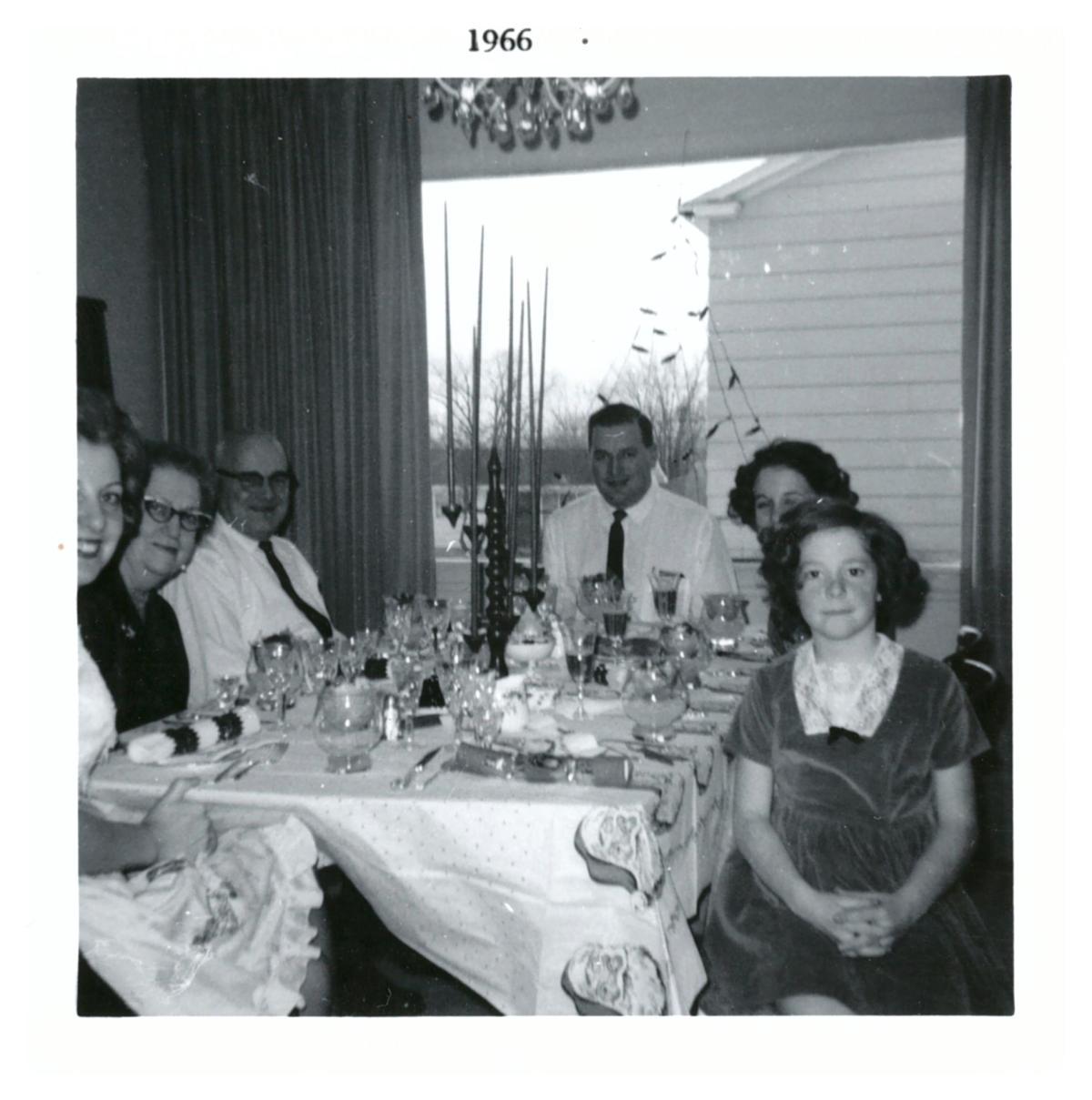
I remember Sunday dinners that seemed to go on for hours when I was growing up… My grandparents would join us, we’d have dinner, then coffee for the adults, and just hang around the table talking for ages. My dad loved to get a good discussion going, often about current news or sometimes about mischief he and his brother did as kids (that was our favourite topic!). This photo was taken by 11-year-old me, with my new camera in 1966!

So, it struck a chord when I read about a study done in Quebec that conducted surveys of families with young children to find out whether the environment during a typical family meal might influence learning, lifestyle and socializing.

They began by surveying families with 6-year-olds to determine the environment of a typical family meal. Four years later, when the children were age 10, they conducted more surveys: asking parents to assess their children’s lifestyle habits, teachers to gauge academic achievement, and the children themselves to assess their social adjustment from their point of view.

They found that improved family meal environment quality (eating together and engaging in conversation during the meal), predicted higher levels of physical fitness, decreased soft drink consumption, and less physical aggression and oppositional behaviour. Maybe all those family dinners had something to do with my dislike of Coke and joining the gymnastics and track and field teams… who knows?

But frequency of family meals is reported to be generally in decline. The Euromonitor International’s annual study of global consumers reports a world-wide trend towards less structured meal occasions, resulting from busy lifestyles, more unconventional working hours, increased single parent households and increased numbers of working women.

Breakfasts, once a regular sit-down meal, are reported to have become less consistent and are often now eaten on the run or skipped altogether. Snacking has increased because of smaller breakfasts and generally shorter lunch breaks (with many eating in their car while doing errands or even at their desks due to work pressures), leading to an increased demand for pre-packaged portable foods, unfortunately often highly preserved to increase shelf-life.

The annual study found that younger, urban consumer groups have particularly been trending towards more flexible and informal eating habits. Only approximately half of the populations around the world they surveyed still cook a meal entirely from raw ingredients at least once a week.

However, researchers also found a trend in recent years toward eating in rather than out. They reported that this was likely due to financial pressures from the recession that began in 2008. Use of prepared ingredients, such as sauces, is also reported to be on the rise, making home-cooked meals easier to prepare for those with less time. The researchers opinion was that now would be a good time for a public awareness program to encourage more frequent family dinners with conversation between adults and children, what they termed a quality eating environment.

Many of us just enjoyed a wonderful family dinner on Christmas day. The studies described above suggest that we should consider making this a regular event, especially if there are small children in the family.

But socialization is important for adults too. Studies of communities around the world with higher proportions of centenarians (people over 100 years old), referred to by researchers as “Blue Zones”, looked for shared characteristics. This is a list of what these communities had in common:

  • Family and social engagement

  • Semi-vegetarianism (majority of food from plant sources)

  • Legumes commonly consumed

  • Consistent moderate physical activity as part of life

  • Less smoking

This list seems to fit with the idea that eating food at home in a quality family environment could result in improved physical, academic and social outcomes for young children that persist for years. It also echoes Michael Pollan’s food rules (“Eat real food, mostly plants, and not too much”) that I discussed in an earlier blog.

Having a longer and healthier life does not have to be complicated. Plan simple meals that include plenty of fruits and vegetables, eat with family and friends whenever possible, and keep active throughout the day to stay fit — all good habits to start creating a healthier lifestyle. Some claim you could add 10 quality years to your life by following this simple strategy.

So, doesn’t that sound like a great New Year’s Resolution? Here’s to a healthy 2018 for all of you!

References:

Euromonitor

Quebec study

Categories
Health

10 Ways to Reduce Jet Lag

I’m back from Spain! Glad to be back, but dealing with some nasty jet lag… so, I decided to write a blog about it. Should have written it before I flew home because I learned a few ways to reduce symptoms and shorten the duration of jet lag.

What is jet lag anyway?

The dictionary defines jet lag as “a feeling of extreme tiredness and other physical effects after travelling a long distance through different time zones by plane”. Some sources simply describe it as a “temporary sleep disorder” but, while it is temporary it can affect more than just your sleep. Some people are more sensitive to time change than others and will even notice mild effects when adjusting clocks for Daylight Savings Time in the spring and fall.

Medically, it is referred to as “desynchronosis” and is believed to result from difficulty adjusting the body’s circadian “day/night” rhythm or internal body clock to match the local clock. Shift workers can experience symptoms similar to jet lag when readjusting to normal hours after working the night shift. Strategies for reducing jet lag may be helpful to shift workers as well.

What are the symptoms?

Symptoms can include daytime drowsiness, tiredness, lethargy, slight disorientation or dizziness, insomnia, sometimes headaches, difficulty focussing, loss of appetite, and digestive upset such as diarrhea or constipation.

Of course, a long trip itself can be fatiguing, and dehydration and lower oxygen levels in planes can contribute to the symptoms experienced. More time zones travelled generally result in worse jet lag, with some individuals being more susceptible than others. Older adults and those with other health conditions often have worse symptoms and take longer to get back in sync, while children are often minimally affected.

What are circadian rhythms?

Many of our body’s systems, including those that regulate sleep, waking, eating and body temperature, run on cycles over the 24-hour day. This is called the circadian rhythm or “body clock” – the regular ups and downs of hormones and functions that occur at certain times each day.

A little technical stuff for those who are interested in detail…

The theory behind jet lag, is that there are two groups of neurons or nerve cells in the base of the brain that control sleep:

  • An area associated with deep sleep and physical recovery and repair

  • An area that controls the dream state, known as “rapid eye movement” or REM sleep

    • During REM sleep the brain sorts out thoughts and memories.

    • The REM area takes longer to adjust to a new sleep/wake cycle, and the two sections become out of sync, throwing off the sleep cycle and reducing quality of sleep.

So, the body clock is driven by an internal time-keeping system, but it’s affected by external factors like light and darkness. For example, we know that production of melatonin (a hormone that is associated with sleeping) is blocked by light falling on the back of the eye. This is why it is recommended to have your room completely darkened for a good night’s sleep and why it might be a good idea to use a sleep mask when trying to sleep on a plane or during the day.

Most references state that travelling east tends to cause more symptoms than travelling west, but I have always found the opposite to be true for me. However, I think it depends somewhat on your behaviour when you arrive at your destination, and on the timing of the flights you take.

My experience…

On my trip to Spain, I took an overnight flight. Although I only had a very few hours sleep on the plane, I was excited about arriving and needed to buy groceries so spent time outside in the sunshine. I pushed myself to stay up until close to a “normal” bedtime for where I was and, being exhausted by then, had a great night’s sleep. Of course, the next day I was out in the sunshine seeing the sights, and light exposure (especially sunshine) helps you to adjust to a new time zone more quickly.

In contrast, when I came home, it was a daytime flight with a late-night arrival which, for me, meant arriving finally at home at 7:30 the following morning, Spain time! And since it was still part of a normal but extended day for most on the final flight, it wasn’t a good sleeping environment… no rest for me! Since I’ve been home, it’s been mostly cloudy with sunset at 4:30pm so much less light exposure. I’ve also been busy indoors catching up after being away for 2 months and, of course, it’s chilly compared to the Costa del Sol, so that’s keeping me indoors more too!

Here’s what you could do next trip to experience less jet lag than I did:

  1. Prepare ahead if possible:

    1. Heading east – get up and go to bed early for a few days before the trip.

    2. Going west – delay bedtime and waking as above.

  2. Set your watch to local time at your destination as soon as you board the plane.

  3. Keep active during the flight – stretch, do seat exercises, walk along the aisle.

  4. Use an eye mask and ear plugs and try to sleep when it’s night time at your destination.

    1. Aim for 20-minute naps during daytime hours to reduce fatigue.

  5. Drink plenty of water on the flight, and avoid alcohol and caffeine to reduce dehydration (If you do decide to have a glass of wine, drink extra water along with it…).

  6. Wear sunglasses during your destination’s nighttime hours during the flight if you can’t sleep. This may help your brain to start to adjust by altering light exposure.

  7. Although not well tested, taking melatonin at the destination’s bedtime on the plane and for a few nights after you arrive may be helpful, researchers suggest.

  8. When you arrive, try to sleep at a normal time for your destination, realizing you will likely want to sleep later when going east and rise earlier when going west.

    1. If you’re on a short trip, and your schedule allows it, you may be able to adjust your day to stay closer to “home”, clock-wise. On a 4-day trip to Vancouver (4 hours “earlier” than my home on the east coast), I decided to just get up very early and skip some late-evening social activities. My conference friends were so impressed with my daily 6am walks in Stanley Park, but it was just a leisurely 10am “walk in the park” in NB time!

  9. Spend as much time as possible outdoors, preferably in sunlight, when you arrive or at least expose yourself to bright indoor light. It’s the cycle of light and darkness that prompts the brain to realign itself to your new time zone.

  10. If you know you are prone to severe jet lag, consider breaking up the trip or making part of your travel overland, rather than by air to adjust to the new time in stages. It’s the speed of travel that causes jet lag, not simply the time change itself.

Give these suggestions a try on your next east/west trip and let me know if they help you to have a “bon voyage”!!

References:

Mayo Clinic

Medical News Today

Categories
Public Health

Learning Spanish ways…

As you probably know, I’m spending a couple of months in Spain. I’m quite fascinated by several distinct differences in culture and lifestyle between here and North America – differences that could have an impact on health – some positive and some not-so-positive!

This is at the top of Gibraltar. We took the cable car up then walked all the way back down, visiting interesting caves, monkeys and remnants of armies of the past as we went. I had sore muscles for 3 days after but saw and experienced so much it was worth it…

First, I’ve noticed that people use public transit much more than we do in most areas of Canada and US. Streets in old European cities are extremely narrow (many cars have dents!), and parking is hard to find and often expensive. We’ve seen cars parked in the strangest places… Many city apartments simply don’t have parking, leaving tenants with cars to park on the street, wherever they can find a place. The old section of Marbella, where we are staying right now, actually allows only delivery vehicles in the narrow streets. We had to pull our suitcases along cobbled walkways to get to our apartment as our taxi had to drop us off outside the Casco Antigua de Marbella (the Old City of Marbella)!

Besides the obvious decrease in pollution from car exhaust, though, using public transit means you are walking a lot more – even if it’s just to the bus stop, and then from the stop to your destination. This can build a significant amount of exercise into your day, without needing to think about it.

Cities here tend to be more densely populated, and every neighbourhood has its grocery store, bakery, fish shop etc. so you can easily walk to do your errands. Many people, especially the elderly, have shopping bags on wheels to take their purchases home easily, pulling them behind as they walk. Neighbourhood stores are busy because a lot of people live nearby and support the convenient local shop. It seems like cities are set up so you really don’t need or even want a car!

This contrasts sharply with home and with many North American vacations we’ve taken, where it’s too far to walk to any type of shopping. While I’m sure our winter weather in Canada and northern US encourages us to use cars more, we also tend to have only a few large grocery stores that serve an entire city rather than many smaller local neighbourhood shops that service a small area. The result is, we drive everywhere rather than fitting our exercise into our daily routine, then need to add in exercise time. Sometimes we even pay to be able to get our exercise!

Of course, this stretch of land on the southern coast of Spain, the Costa del Sol, is so beautiful with the Mediterranean on one side and the mountains (that block the cold northern winds, creating a warmer climate) on the other. We enjoy simply wandering around, soaking up the beauty of the area, people watching and sight seeing. We’ve visited several neighbouring cities, travelling there by bus, and spent the entire day walking… often up small mountains it seems, then back down again, of course!

The tourism office nearby has been very helpful in sorting out bus schedules and stops, and we haven’t had any problems getting where we want to go. Choosing a vacation in a place like here, with comfortable temperatures that encourage you to be outside walking all day, may mean you will go home in better physical shape than you were when you arrived. I know I will!

Ronda, Spain, high up in the mountains

Another interesting tradition in Spain is the siesta – many stores close in the afternoon for several hours. I still haven’t quite figured out whether the siesta time is the same for all businesses, but have been caught walking to a store to make a purchase, only to find them closed. It seems that the siesta is such a long-standing tradition that many stores don’t post the hours they open and close in the afternoon – only posting the morning opening and the evening closing times – while other stores no longer participate in the traditional siesta at all, and just stay open.

But this tradition is all about lifestyle and is good for workers (especially those who are running a small business themselves, and trying to offer service to morning shoppers as well as the evening crowd). It gives them time to relax, spend time with family, and eat a healthy meal during the day while still being open for the busiest parts of the work day. Mid-afternoon is also the hottest time of day and probably the quietest for business. However, tourists beware! Better indication of hours of operation would certainly help visitors like me to accommodate but regular customers seem to have adjusted to the system without problem.

On the “down side”, I am amazed at how many people, especially young people, still smoke here. It’s made me realize that policies that ban smoking in restaurants, vehicles and in public places make a difference in how acceptable it is to smoke, effectively “denormalizing” it, in North America. Here in Spain it is normal to see people smoking everywhere, and it seems strange compared to Canada where the activity is banned in so many public places. It is easy to see that passing these types of laws, making smoking much less acceptable, results in fewer smokers overall and certainly decreases exposure to second hand smoke that has been shown to affect the health of non-smokers. While actual smoking rates are lower in US and Canada (approximately 16-17%) compared to Spain and France (at 24%) and even higher in northern Europe, the additional difference in where they are allowed to smoke makes smoking appear even more prevalent.

So, what I’ve learned so far from this experience in Spain (besides quite a few Spanish words), is that working to build activity into every day, rather than thinking of activity as a “task” that you need to find time for, may be a better approach to staying fit. The design of cities and neighbourhoods, and the laws we pass (like those for restrictions in smoking) can make a difference in the behaviours and the health of the entire population. Comparing lifestyles in different countries, can help us to gain new perspectives and ideas to incorporate into our own communities, helping to create a healthier population.

Can you think of ways you can change your lifestyle and your community to make it easier for you and your neighbours to stay healthy and fit?

Reference for smoking statistics: Tobacco in Australia

Categories
Book review Health

No-one likes the Mr. Throat picture…

This week, I want to share an article about smoking…not about quitting, but about why people smoke and how much they love it… And how it takes over the smoker’s life… And how hard it is to quit.

I was never a smoker. I tried a few cigarettes in my younger days when out to a bar with smoking friends, but I never formed that love/dependency relationship with “smokes”, as the writer of the article fondly refers to them. As a pharmacist, I learned about medications to help people quit, how difficult the process is and things I could do or say to help people overcome the habit (or let’s call it what it is: an addiction). But I often would wonder why so many people, roughly 20% in Canada, still choose an activity that might kill them.

The article, written by a long-term smoker and posted in a blog called “LongReads”, fascinated me as a non-smoker and health professional, and I found it helped me understand why people smoke in spite of all the evidence that it is slowly damaging their health. I’d recommend the article, not only for smokers, but for those who would like to help people quit. Understanding “why” can sometimes be the key…

Spoiler alert: the photos on the cigarette package, especially the photo of a man with throat cancer, are the most negative part of the writer’s smoking experience. The title of the article is: “Mr. Throat and Me”.

You’ll find the article here: LongReads “Mr. Throat and Me”.