

Categories
Health

Can We Make Our Own Ozempic?

We’ve all been hearing about the Ozempic class of medications – the GLP-1 (Glucon-Like Peptide-1) receptor medications that control diabetes and help weight loss (and much more!). But did you know your body produces this hormone when you eat?

So, what if we could increase our own production instead of taking it by injection? Would it help improve our health?

GLP-1 helps control blood sugar by increasing insulin release from the pancreas and by blocking release of glucagon (a hormone that raises blood sugar) from the liver. It helps weight loss by delaying stomach emptying, making you feel full longer, and by decreasing appetite, leading to eating less.

Certain foods trigger the release of your own GLP-1 hormone. These include protein (meat, fish, beans, eggs, nuts and seeds), healthy fats (like olive oil, avocados, fatty fish, and [again] nuts, and seeds), fiber (whole grains, legumes [beans, lentils, dried peas], vegetables, fruits and [again!] seeds like chia and flax, probiotics and fermented foods [yoghurt, sauerkraut, kimchi] and [for dessert!] dark chocolate, at least 70% cacao, one ounce [28gm] per day).

Your body likes to produce GLP-1 during the day, so eating these foods during daylight hours, ideally within a 12-hour window and not within 2 hours of bedtime, gives best results. Eating the GLP-1 stimulating foods first, before carbohydrates, is most effective. Consuming your food slowly in a relaxed setting also helps produce this beneficial hormone.

Chronic stress and poor sleep impair GLP-1 production, while exercise helps improve it. Wait a minute… these are all activities and foods that we know are healthy for us. It seems that one of the ways “healthy” foods and activities exert their health benefits is by improving our natural GLP-1 production!

Health benefits from GLP-1 receptor medications are now known to include reduced risk of heart disease as well as diabetes and possibly a longer life span! Switching out some processed foods for ones that stimulate production of this beneficial hormone just makes a whole lot of sense. Nuts as a snack is an easy way to start!

However, using the medication form of GLP-1 (Ozempic, Wegovy, Mounjaro and others) provides a much higher amount of the hormone than the body can produce so, while producing more of our own is good for our health, using the medication form will produce more dramatic results. However, the higher medical dose will also have a greater chance of side effects, such as nausea and fatigue.

And it’s recommended to make lifestyle and diet changes along with using the medication when your doctor agrees it will benefit your health, so these improvements are something we all should be thinking about, medication or not!

NOTE: The image above is a painting (by me!) of a barn in the Memramcook area, just south of Moncton. Admiring (and doing) art is one of the best de-stressing activities I know of, and local farms are one of the best sources of healthy foods! Here’s to your health!!

For more art (and stress reduction!), click on “Art Portfolio” in the menu at the top of the page…
Categories
Health

Forget about the calories…

Which is better… a healthy low-fat diet or a healthy low-carb one? A new study published in the Journal of the American Medical Society (JAMA) this month asked this question. The answer was: no difference. But participants all lost weight without restricting calories. How did this happen?

The DIETFITS study (the Diet Intervention Examining the Factors Interacting with Treatment Success) studied 609 overweight adults aged 18 to 50 for one year. Participants attended classes with dietitians every 2 weeks to learn healthy eating habits, with half learning ways to achieve a lower fat content in their diet and the other half learning to lower their dietary carbohydrates. All participants were encouraged to focus on eating plenty of vegetables and whole foods, to eat at home whenever possible, and to avoid processed foods and added sugar. They were encouraged to follow accepted physical activity guidelines, but most did not increase their exercise. They were not instructed to count calories or record what they ate and were encouraged to eat until they were satisfied.

The result?

The result was: both groups lost significant weight. Their success in reaching a healthier weight was not influenced by their genetics or insulin-response to carbohydrates, contrasting with other theories that suggest a person’s diet should be recommended based on their DNA or ability to metabolize fat or carbs.

Some people lost as much as 50 to 60 pounds, and reported they had “changed their relationship with food”. The average weight loss was 5.3 kg (11.7 lb) for the low-fat group and 6.0 kg (13.2 lb) for the low-carb group. Both groups noted other improvements in health factors, such as reduced waist size, body fat, blood sugar and blood pressure.

And the conslusion from this?

Researchers concluded that it is the quality, not the quantity, of the diet that helps people manage their weight in the long run. A key factor is learning to avoid adding sugar and eliminating processed foods that often have sugar and other additives hidden in them – relying instead on more plant foods to satisfy the appetite. Sounds very much like Michael Pollan’s Food Rules that I’ve discussed before:

  • Eat real food (not processed),

  • Mostly plants, and

  • Not too much!

It’s good to see that different researchers are coming to the same simple conclusion about what makes a diet healthy, after so many years of practically needing to be a chemist to understand the various chemicals and components of our food that we were supposed to include or eliminate. A good, healthy diet should be easy to follow… and eating a diet that is focused on plants and whole foods, with just enough to satisfy your hunger, is about as simple as it can get, I would say!

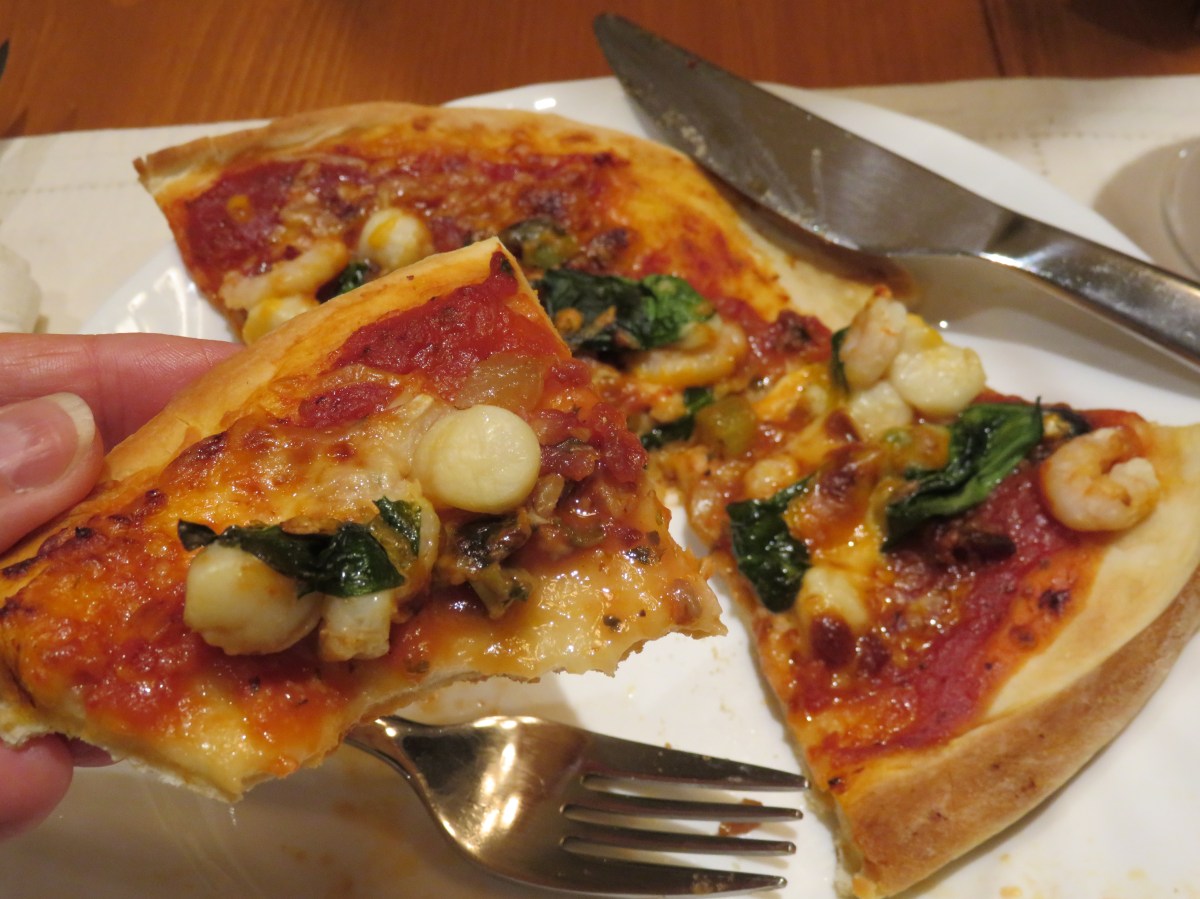
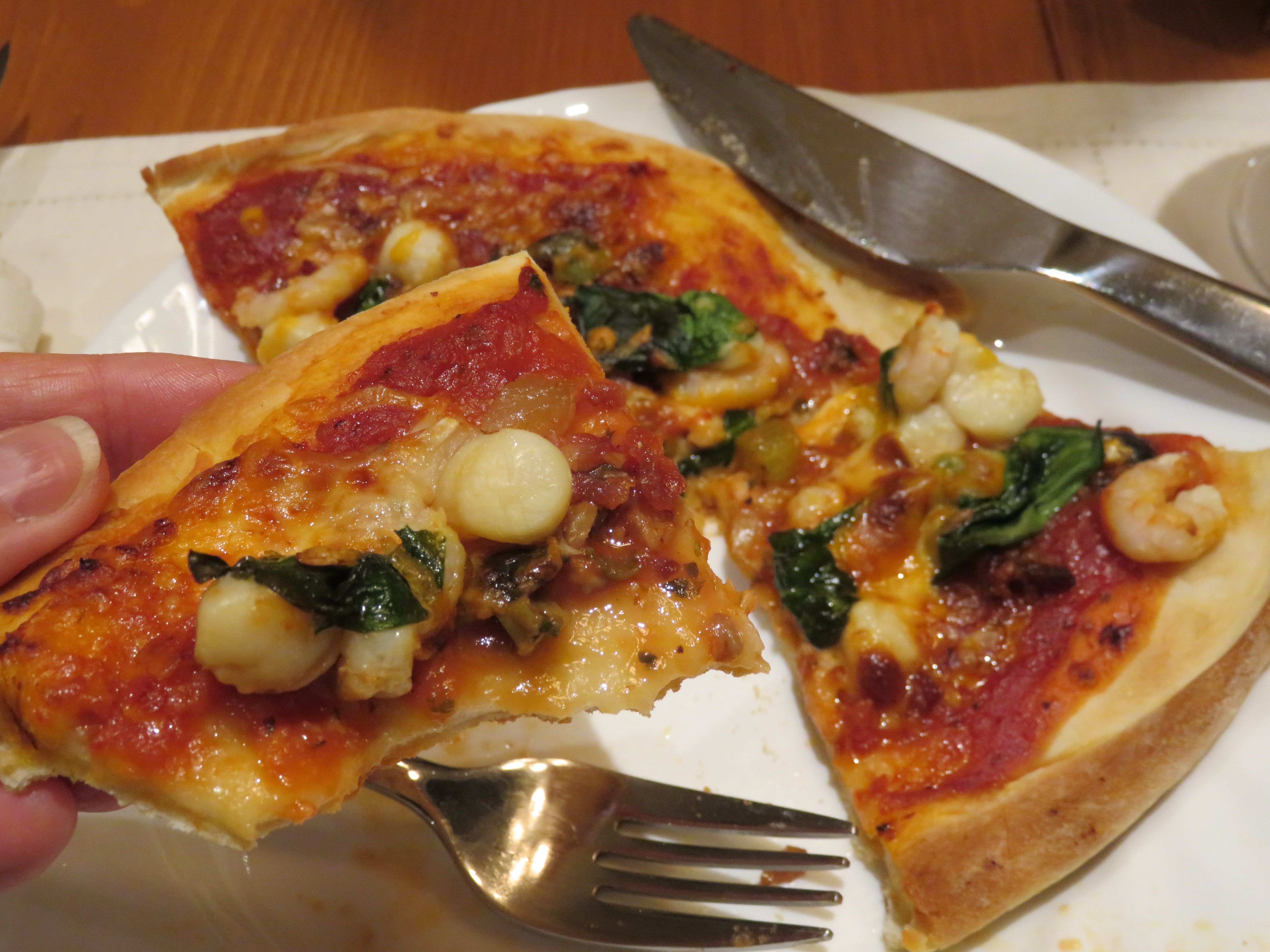
The photo above is my homemade seafood pizza – no additives, made from scratch! Nothing processed, no added sugar, and a few veggies added for balance. After years of counting calories and carbohydrates, scrutinizing food’s fat content for “good” omega fats or “bad” saturated fats, or checking the “glycemic index” measurement (how quickly the carbohydrates were converted to sugar) of various foods, I find it refreshing to finally have a simplified way to achieve a healthy diet. If you think so too, feel free to share with someone else who wants to simplify their life!

References:

https://jamanetwork.com/journals/jama/article-abstract/2673150?redirect=true

https://www.irishtimes.com/life-and-style/health-family/want-to-lose-weight-new-study-says-reducing-calories-not-the-answer-1.3400119