Categories
Health

The dirtiest places in your home…

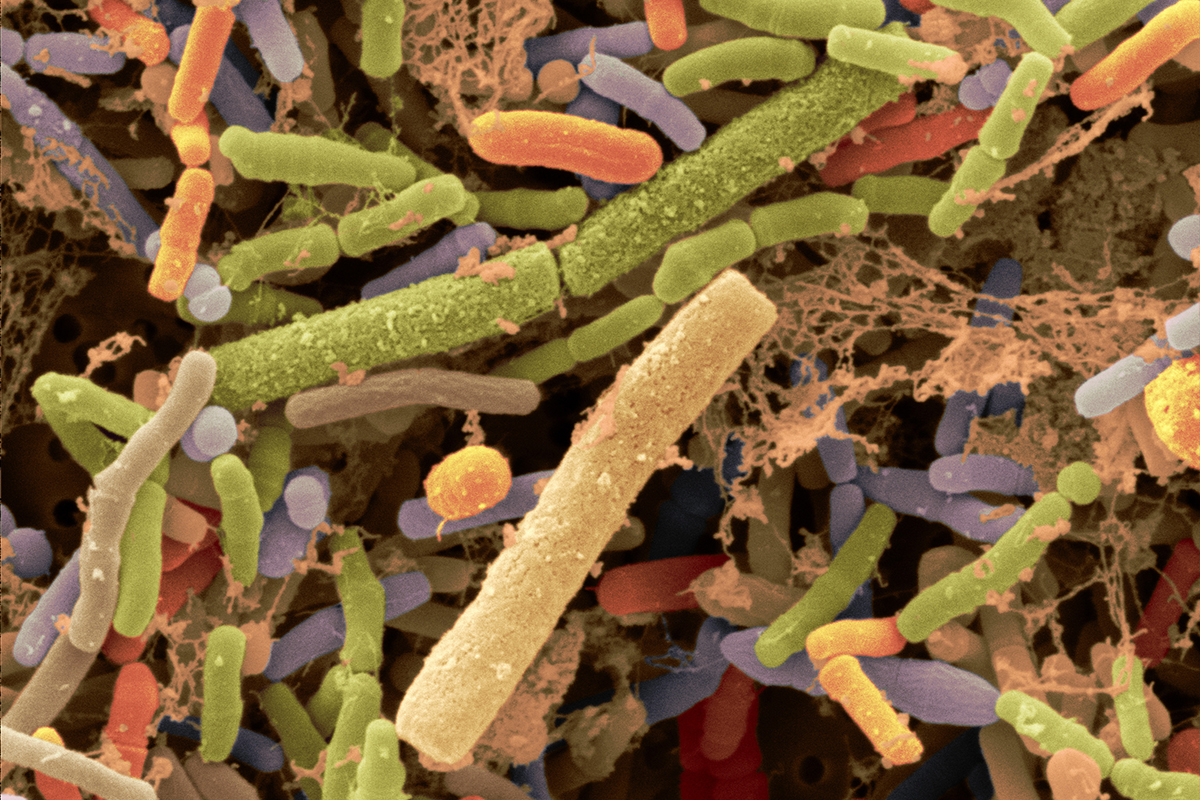
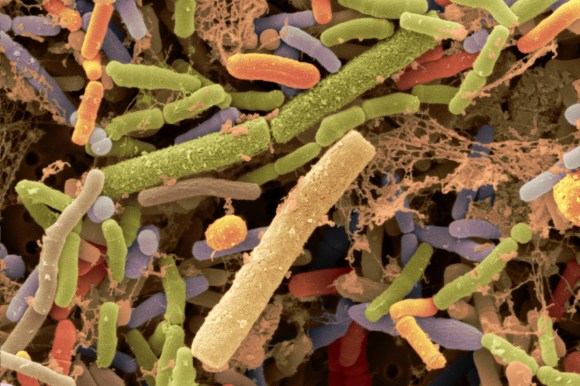
There are microbes everywhere in our homes and most are OK or even good for us… but some organisms can make us sick. Where are we most likely to find the dangerous ones?

Bathroom

Yes, we all know there are disgusting germs in our toilets, and most of us clean and sanitize these regularly. But did you know that water (and bacteria!) are aerosolized when you flush and, according to microbiologist, Charles Gerba (aka Dr. Germ) at University of Arizona, they can easily spread 6 feet from the toilet each time you push that flush handle? Of course, if it’s your own bacteria, it won’t harm you (disgusting as it sounds). But you may be sharing your bathroom (and bacteria) with your visitors and family… Also, damp towels are a great place for all that bacteria to grow, waiting to be deposited on your clean hands and face when you dry them off. Here are some things you can do to reduce your exposure to fecal bacteria:

  1. Always put the lid down before you flush.

  2. Store your toothbrush in a cupboard or drawer or more than 6 feet from the flush.

  3. Change towels regularly, at least twice a week.

  4. Consider a liquid soap dispenser that can be cleaned, instead of bar soap that provides a nice bacteria growth medium.

Kitchen

Despite what was discussed above, the kitchen usually has even more dangerous bacteria than the bathroom. We prepare raw foods there and they often carry bad bacteria like salmonella and E. Coli that are killed in the cooking process, making the food safe to eat. But if you handle raw meat then touch other surfaces (like the fridge door handle or sink taps) without washing your hands first, you are depositing these potentially dangerous bacteria around your kitchen. And simply running water to clean the sink after rinsing raw meat doesn’t effectively remove bacteria. Here are some recommendations:

  1. Use a kitchen cleaner with bleach to clean the kitchen sink, counters and cutting boards that have been in contact with raw meat or their juices. Dr. Germ suggests 1 tablespoonful of bleach in a gallon of water (or about 1 tsp in 1 liter) will work as well. Or a solution of 1 part vinegar plus 3 parts water has been recommended to sterilize home medical equipment (like aerosol face masks), so should work for kitchen sanitizing as well.

  2. Wash your hands well immediately after handling raw meat.

  3. Use a separate cutting board for raw meat and foods that will be eaten raw (like salad ingredients)

  4. Clean fridge handles often (e.g. every time you clean your counters) and don’t forget to clean fridge storage drawers too, especially when you notice leakage of raw meat juices.

  5. When cleaning, spray surfaces thoroughly and let sit for a few minutes before wiping to let the spray do its work. Dr. Gerba also suggests sanitizing wipes, as they leave a germ-killing residue behind to slowly dry.

  6. Get rid of kitchen sponges or replace at least weekly, as wet sponges provide an excellent place for all kinds of bacteria to grow.

  7. Don’t forget to change kitchen hand towels often too.

  8. Can openers, pizza cutters and blender blade assemblies can also trap food particles and bacteria. Be sure to thoroughly clean and sanitize these as well.

Your best bet in the kitchen, is to change dish cloths and hand towels daily. I keep a bucket of dilute bleach and water solution in the laundry room sink and toss kitchen wash cloths in there to soak until laundry day.

Here’s a recipe for a sanitizing kitchen spray you may find useful:

1 ¼ c water

¼ c white vinegar

¼ c vodka or rubbing alcohol

15 drops each of peppermint and lemon essential oils (for scent)

Ideally, spray and let sit for 10 minutes to disinfect surface before wiping. Do not use on marble or granite surfaces, as it may etch the surface.

References:

The germiest place in your home and the best way to combat those microbes – CNN

Natural Disinfecting

Categories
Health

Shift Happens… Take time now to think about your future health

Shifting to healthier habits is often hard to do. In fact, many of us don’t even think about our health… until something bad happens to us or someone we know. Your family doctor used to be the person who urged you to make healthy changes – telling you it’s time to quit smoking, exercise more or shed a few extra pounds – but, with the health care system today, often they only have time to look after the immediate problem that prompted your visit. You need to take charge of your future health yourself…

So how do you make change happen before a shift in your health happens?

Change in habits occurs in stages. When you’re aware of these stages, sometimes you can move things along and make the change happen faster. Here is how we progress when we try to change, regardless of what new habit we are trying to form (or what bad habit we are trying to break!):

  • Pre-contemplation – We are blissfully living our lives, not aware that we are doing something that could harm our health in the future or at least not consciously thinking about what we should be doing to be healthier. Life is busy, and sometimes we need something to grab our attention and make us realize we should be changing some habits that are less than ideal for our health. We feel fine. We just aren’t interested. Besides, habits are hard to change. It’s easy to say, “I don’t need to do anything right now…I’ll think about it later”.

    • One of my goals in writing this blog, is to encourage people to think about making changes that will improve their health…and help them live longer and happier lives! Don’t wait for something bad to happen to realize you need to change to improve your health in the future.

  • Contemplation – Then we face a crisis in our health or a serious illness in someone close to us. This starts us thinking about being healthier. Or maybe we read something or hear a speaker that catches our attention. My husband finally quit smoking years ago after hearing David Suzuki explain that you can’t keep dumping poison (for example, cigarette smoke) into your body for years, then expect to be able to do the things you want to do when you’re older – your body can only handle so much abuse. What he said struck a chord with my hubby and he made up his mind that it was really time to quit.

    • Think about what you should change that will make a difference in how you feel and what you are able to do in the future? What is one habit you could you improve to increase your chance of staying healthy and active well into old age? What could you change to be able to do more things you enjoy right now?

  • Preparation – Habits are hard to change. Preparing yourself can help make it easier, and there are strategies to increase the likelihood that you’ll stick to your new way of living.

    • Find someone who will join you in your new habit. Sign up for a class that will help get you started. Research exactly what you need to do to make the change easier.

      • For example, if quitting smoking, there are medications like nicotine replacement that can reduce cravings. To increase exercise, choose a convenient time of day then set a recurring alarm on your phone or computer to remind you it’s time for your walk. Want to eat healthier? Sign up for a food delivery service like Hello Fresh or Good Food to make it easier to start cooking better meals. Want a better outlook on life? Sign up for a yoga or meditation class or download an app on your tablet and use it every day. You get the idea…

  • Action – Pick a date that is not too far in the future. Give yourself a deadline to start. Giving yourself little rewards helps too – challenge yourself to stick to your habit and plan something special on the weekend to celebrate your success. Even something simple like an “X” on each day of a calendar can be encouraging as the X’s add up. Find a way to make yourself committed to change.

    • Set a date to start your new healthy habit and mark it on your calendar. Tell someone who will join you or support you with your plan and be accountable to them. Track your progress and decide what you will do to celebrate your success! Keep in mind that small rewards given often work better than large ones off in the future.

  • Maintenance – It’s easy to slip back into old habits or get busy and forget about your plan for a healthier life. But, if you do, remember that if you did it once you can go back and do it again! It takes a while for a new change to become a habit and relapses are normal. So, don’t beat yourself up about it and don’t give up!

    • Expect slip-ups…they almost always happen. But keep working to make your new healthy habit part of your life. If you practice your healthy change even for 1 day, you can make it a regular activity!

Realize that it takes time to make a habit of a new healthy activity – longer for some than for others. But keep your goal of enjoying life as you get older in mind. Every little change can help. Take time now to decide how you can improve your enjoyment of life in the future by keeping your body and mind healthy and active!

Categories
Health

Laughter – good medicine!

We love to laugh, but have you noticed how much better you feel after a good belly laugh? Studies tell us that it actually improves our health in several ways.

Laughter is a way to connect with people and communicate. We actually laugh differently when we’re with people we like than when we’re alone. Laughter is a means of communicating. It says we understand and agree with the person we are talking to, and that we like or love them.

Laughter is contagious, especially laughter that is a reaction to something we find truly funny.

We have two basic types of laughter:

  • Involuntary laughter is:

    • Longer and higher pitched

    • A reaction to tickling, play or something you find really funny.

      • Sometimes results in the type of laughter you just can’t stop no matter how hard you try. Some call this a “good belly laugh”.

    • Influenced by the environment and how funny you perceive a situation.

      • Something you found uncontrollably hilarious on one occasion might be only mildly funny much later, leaving you wondering what happened…

  • Social or posed laughter is:

    • More “nasal” than involuntary laughter

    • Polite laughter used in a conversation that shows you agree and appreciate what the person you are talking to is saying

    • Used to communicate, a way of regulating emotions and forming bonds with people

    • Shows that you like the other person and that you want to make them happy, or other underlying meanings

Laughter is very nuanced. Its interpretation is universal – anyone can identify whether laughter is social or involuntary whether it’s from someone in their culture or country, or from the other side of the globe.

And it’s not just humans who laugh – monkeys and rats have also been observed laughing. Monkeys also have two types of laughter, just as humans do.

We also learn how to interpret laughter as we grow. We are best at interpreting what a laugh means in our 30s and early 40s, having learned through experience. As children, we are more likely to just want to join into the laughter we encounter, even if we don’t understand why people are laughing. As we get older, laughing becomes less contagious, perhaps because we are understanding the meaning better and less likely to feel we have to join in the mirth.

But the best part, is that laughter has been found to be good for our health.

Right away, laughter can:

  • Stimulate the lungs, heart and muscles

  • Ease tension by stimulating circulation and relaxing muscles

  • After a good laugh, it can reduce heart rate and blood pressure

Over the long term, laughing can:

  • Improve the immune system

    • Negative thoughts lead to increased stress

    • Positive thoughts and laughter trigger release of body chemicals that fight stress and potentially reduce the risk of serious illnesses

  • Relieve pain

    • Laughing stimulates the body to produce pain-relieving substances called endorphins that relieve pain, sometimes called our natural opioids

  • Make it easier to cope with difficult situations and connect to other people

  • Improve your mood

    • Laughter can help lessen depression and anxiety, and can make you feel happier

My mom loved to tell a story that she had read in the newspaper. It told of a man who was diagnosed with incurable cancer and told nothing could be done to help him. Instead of getting sad and depressed, he booked a room in a hotel and watched every funny movie their service offered. When he next returned to the doctor, the article claimed, they could find no trace of the cancer! Whether this is true or not, I can’t say, but the story described the man as laughing his way to health…one of those rare cases of spontaneous healing, facilitated by laughter. Perhaps the lesson here is that creating opportunities for laughter and enjoyment of life is good for us!

Here are some things you can do to take advantage of the benefits of laughter:

  1. Hang up jokes or cartoons that make you laugh in your home or office. Keep funny books, movies, videos, or subscribe to joke websites and look at them when you need a humor boost.

  2. Keep a sense of humor and find a way to laugh about your own situation. I actually found a book written by a breast cancer survivor about the funny side of having cancer. She said her sense of humor helped her get through it and she hoped her little cartoons might help someone else in the same situation.

  3. Spend time with people who make you laugh. Share funny jokes and stories with those around you.

  4. Know what is funny and appropriate. Don’t laugh at the expense of others.

Jokes are always funnier when you read them out loud with other people around. I learned this the hard way when I was giving my early presentations. Hardly anyone laughed when I put a cartoon up on the screen, but when I read the caption out loud, everyone laughed! Share the joy when the timing is right…

So, here is a dirty joke to start off your weekend on the “right foot”…and read it out loud to whoever is nearby!

“Why did the dirty chicken cross the road twice???

She was a dirty double-crosser!”

If you are interested in learning more about the science of laughter, watch the 15-minute TED Talk in the references below.

References:

Ted Talk – Why we laugh

Stress management – Mayo Clinic

Categories
Health

Could sunshine be good for you?

There is no question that sun exposure ages the skin and increases risk of skin cancer… but research suggests that we may live longer if we get some sunshine every day.

Dermatologists recommend that our skin should always be protected from the sun. Of course, because they’re specialized, most only look at the sun’s effect on the skin rather than its effect on overall health. Although malignant melanoma is a dangerous type of skin cancer, 99% of skin cancers are non-melanoma, and 80% of these are basal cell cancers that are almost never fatal.

But some dermatologists have noticed that their patients with skin cancer are more likely to be in excellent health while those with beautiful skin preserved by avoiding sun were often low-energy and had multiple health problems. This observation motivated Dr. Matt Zirwas, an Ohio dermatologist, to investigate studies that examined this issue. What he found, he says, suggests that completely avoiding sun could have the same effect on your mortality as deciding to smoke a pack of cigarettes a day. Note that an ideal study will always look at increases in overall survival, not just decreased death from one disease.

The science…

A 2014 Swedish study found that the risk of dying from all causes was approximately doubled in those with little or no sun exposure compared to those with the most time in the sun. The main benefit was a decrease in risk of cardiovascular disease – heart attacks and strokes – that reduced risk of death despite an increase in risk of skin cancer. A Denmark study published in 2013 found that people who had been diagnosed with skin cancer actually had lower rates of heart disease and death compared to the general population.

Statistics from US can help us to understand why this could happen. The American Academy of Dermatology estimates that about 7,000 people in US will die of malignant melanoma this year and that less than 5,000 will die of other skin cancers. However, cardiovascular disease kills about 650,000 Americans yearly. It is easy to see that any factor which causes even a modest reduction in cardiovascular disease could quickly outweigh the risk of harm it causes to the skin.

It’s been noted for decades that heart disease increases in the winter and decreases in the summer. This “winter cardiovascular disease phenomenon” could be a result of cold weather causing blood vessels to narrow. But it’s also suspected that the nitric oxide produced by sunshine on the skin could be helping prevent heart disease by dilating blood vessels, lowering blood pressure and keeping arteries smooth and supple. Vitamin D, produced when the sun shines on the skin, is also a factor in promoting health, improving the immune system and reducing heart disease.

Evolution…

We evolved spending a lot of time outdoors in the sun and our skin pigmentation has adapted through evolution to protect us from excessive sun damage. However, when a person with a fair complexion adapted to the north moves to a hot sunny climate, their risk of skin cancer is increased. Those with darker skin adapted to more intense sun are at risk of a lack of vitamin D when they move north. It makes sense that sun precautions should be based on skin type and the climate where the person lives for optimum health and benefit.

But still be cautious!

My motto is “everything in moderation” and this includes sun habits. Considering the benefits of sun exposure as well as the risks, it makes sense to enjoy the sun but avoid sunburn, and to check skin regularly for any sign of possible skin cancer.

Here is what to watch for:

  • The ABCDE rule

    • Asymmetry – one part of a mole or birthmark doesn’t match the other

    • Border – the edges are irregular or blurred

    • Colour – brown, black sometimes with patches of pink, red, white or blue. Not the same all over.

    • Diameter – larger than 6mm or ¼ inch (about the size of a pencil eraser)

    • Evolving – the mole is changing in size, shape or colour

  • Any new spot that is different from others on your body, or is itchy painful, tender, oozing, scaly or bleeding and doesn’t heal, is something to show your doctor.

  • Check out this article from cancer.org for photos

References: (note that all underlined words are links to websites)

Journal of Internal Medicine

International Journal of Epidemiology

How to Spot Skin Cancer – American Cancer Society

Vitamin D Deficiency and Risk for Cardiovascular Disease

Categories
Health

Old Drugs, New Research

I’ve blogged previously about antidepressant medications which, while helpful for some with severe depression, are not as effective as we would like. One physician/author compared them to non-drug therapies that were equally effective but take longer to kick in. His well-referenced article was published in the Canadian journal, Pharmacy Practice. Here’s a link to that blog, in case you missed it.

But I’ve been reading about new research into some old medications that were being studied for use in those with mental illness in the 50s and 60s but set aside due to concerns about recreational misuse of the drugs. I’m talking about LSD (lysergic acid diethylamide) and psilocybin (also known as magic mushrooms). I was so surprised to learn these Psychedelic drugs had been studied in the past and were being studied again for treating mental health issues that I had to read more about them. In pharmacy school, these drugs were only discussed as drugs of abuse. I had no idea they might be useful medications. As in many other professions, the history of psychedelic medication studies for therapeutic uses had been erased, never to be mentioned.

“How to Change Your Mind” is a newly published book by investigative reporter, Michael Pollan, that shares information gathered from many interviews with researchers, therapists and people who have used the psychedelic drugs: LSD, psilocybin, mescaline, peyote and others. The word, “Psychedelic”, by the way is Latin for “mind manifesting”. Some of these drugs have a long history of ceremonial or religious use in many different cultures.

LSD is a synthetic drug, originally created in 1938 by researcher, Albert Hofmann, who was working for the Sandoz pharmaceutical company, but he only began testing its effects in 1943. The drug’s structure and actions were so unusual he didn’t know what to do with it. So, the company provided it for free to anyone who was able and willing to perform research with it from the date it was released under the brand name, Delysid, in 1947 until they stopped production in 1965. The withdrawal occurred in response to the drug being declared illegal by the US government due to its widespread recreational use – the “hippie” culture.

Although a small amount of research continued underground, it began again slowly after 2010, mainly as small quiet projects and efforts to recover information from past studies. In 2016 and 2017, larger studies in US and UK were officially sanctioned. Old research results were unearthed from archives and added to the knowledge bases that were being developed. Because of the baggage attached to LSD from its history of past abuse, the new studies mostly used psilocybin, the active ingredient in magic mushrooms.

Treatment with psychedelic drugs has been found to have positive effects on depression, anxiety, PTSD (post-traumatic stress disorder), palliative care (fear of dying), alcoholism and compulsive behaviours. However, it is not the effect of the drug itself, but the experience the person has while on the “trip” the drug produces that changes their behaviour. The same results can be achieved by any of the psychedelic drugs (in sufficient dose), by deep meditation (by an experienced meditator) or by the experience of profound awe (for example, as described by an early astronaut, when he first saw the earth from space). Experiments were also performed on healthy people – artists, musicians, writers – to see if it would enhance their creativity or improve their outlook on life.

Treatments results are described as being highly influenced by what is suggested before the drug is given, the mindset of the person and the setting in which is it given. A trained guide prepares the patient beforehand, stays with them during the time the drug is active in their system, and meets with them afterward to help interpret what they experienced. As such, the treatment is really a combination of medication and counselling, not just a drug treatment alone. This is different from standard drug treatments. Some refer to the therapy as drug-assisted psychotherapy.

So, the challenge in testing these drugs is that it’s not simply the drug effect, but the experience the person has while under its influence that makes the treatment effective. This makes it much more difficult to perform the standard studies used in Western medicine, where a drug is compared with a placebo (sugar pill) to determine how well it works.

The dosing is also much different: when the drug is successfully given once, the effect may last 6 months, a year or longer. Occasionally, only needed a single treatment is needed. People will often describe the “trip” experienced while the drug in active in their system as the most profound experience of their lives. One woman, when asked what she experienced, said she learned that “love was everything”. When the guide then asked what else she learned, she said “no you don’t understand; love is EVERYthing”. That sounds so much like the hippie movement of the 60s – “love is all you need” – when LSD was popular with the counterculture. It seems this is a common sentiment after a successful “trip” on a psychedelic drug.

Two common themes described by volunteers for the treatment were reconnecting with their feelings, core beliefs, values and with others and nature; and a new access to difficult emotions that depression blunts or shuts down completely.

Depression currently affects almost 1 in 10 in North America and is a leading cause of disability worldwide. There are over 42,000 suicides in US every year, more than deaths from either breast cancer or car accidents. Half of these have never received mental health treatment. Experts are describing the mental health treatment system as “broken”. (see reference, below)

Studies are currently being conducted at Johns Hopkins, New York University, Heffter Research Institute and others in US as well as centers in other countries. Research includes addiction treatment, benefits to patients with cancer, treatment-resistant depression. There is also some research in healthy volunteers to learn how the drug works in the brain and how it affects attention, perception and cognition. While it may be years until this therapy is proven safe and effective and becomes an accepted treatment for medical use, it is exciting to watch the development of what may be a significant break-through in treatment for mental illnesses.

References:

How to Change Your Mind, Michael Pollan

Multidisciplinary Association for Psychedelic Studies

ClinicalTrials.gov

Categories
Health

It’s OK to Complain…especially when you’re sick!

How are you?

Sometimes the polite answer to “How are you?” isn’t the one you should give – if it’s your doctor or a concerned family member who is asking. My mom, never one to complain, would always answer “Fine, thank you” whether she was feeling well or not. In later years, after the onset of rheumatoid arthritis when she really wasn’t feeling well at all, her answer changed to “Not too bad, thanks”. For her, I believe this probably led to a delay in treatment.

Many people will say they’re fine when they really aren’t – not wanting to be seen as a complainer – but there’s a way to say you’re not at your best without being whiny and to ask for help when you need it. Yesterday, at the milk cooler in the grocery store, an elderly woman asked if I might pass her a quart of milk – it was on the top shelf and I could see, from the way she was using the grocery cart for support, that she had some physical disabilities. Shoulder arthritis may have been one, balance might have been another. I was happy to help her out.

Staying composed

Our society values composure, especially in women. Being poised, regardless of the situation, is considered a virtue, a talent. At the opposite end of the spectrum, simply pouring out emotions with the goal of “purging” may not be the answer either. I think something between, expressing emotions or discussing problems with a trusted person, is a better plan especially when the goal is to work out a solution or at least a next step to take. Depending on the nature of the health problem, this person could be a sympathetic friend, family member or a healthcare professional.

Stress and muscles

Holding in emotions can actually affect your health. Hilary Jacobs Hendel, author of It’s Not Always Depression, describes how we change our breathing and contract certain muscles when we suppress emotions. Tension headaches are a result of spasms of muscles in the scalp, and many problems with back pain originate with muscle spasms along the spine or in the hip muscles. Dr. John Sarno, a rehab specialist physician in New York (now retired), has written extensively about the association between stress and back pain. He has noted that many of his patients would improve once they realized the likely origin of their back pain, especially when no structural cause could be found. He has suggested that the brain shunts blood away from an area of the body, creating pain and spasms, to distract us from the stress or emotion we want to suppress. Certainly an interesting explanation!

I’ve noticed that I carry my tension in my shoulders – usually I don’t even notice I’m tightening my shoulder muscles until they become achy and painful. The body systems that our subconscious brain chooses to block when we’re stressed vary from person to person, resulting in back or shoulder pain for some, headaches, or digestive problems for others. But even when the pain originates with an emotion, the pain is real and can be extreme.

And more…

Suppressing emotions can also cause other problems. Hendel says “Learning to be extremely composed meant we had to suppress natural, primal emotions, and blocking core emotions over time contributes to symptoms of anxiety, depression, and even addiction.” We can probably add cardiovascular disease, inflammatory diseases and maybe cancer and others to that list. Often, women choose composure and suppression of emotions rather than risk being labelled hysterical (note that “hyster” refers to anything concerning the uterus…). Generations ago, women’s emotions were thought to be associated with their hormonal cycle, hence the term “hysterical” – blame it all on the uterus! She notes that women in particular are at risk of feeling pressured not to express their pain, and observed in her 2001 study that women are more likely to have pain dismissed even by healthcare professionals as “emotional” or “psychogenic” (created by the mind) and, therefore, “not real.”

None of us are fine all the time. The harm to our health occurs when we keep up a stoic front, a “stiff upper lip”, and don’t seek the help we need for physical or emotional difficulties soon enough. The idea that you can and should distinguish between things you can control and those you cannot is a powerful way to cope when you really aren’t fine. Working on things you can change and getting help, when necessary, with those you cannot is a solid strategy to gain control of your life and help prevent stress-related illnesses.

References:

When Staying Composed Harms Your Health – Medium.com

It’s Not Always Depression – Hilary Jacobe Hendel

Healing Back Pain – Dr. John Sarno

#Wellness #Womensissues

Categories
Health

It's OK to Complain…especially when you're sick!

How are you?

Sometimes the polite answer to “How are you?” isn’t the one you should give – if it’s your doctor or a concerned family member who is asking. My mom, never one to complain, would always answer “Fine, thank you” whether she was feeling well or not. In later years, after the onset of rheumatoid arthritis when she really wasn’t feeling well at all, her answer changed to “Not too bad, thanks”. For her, I believe this probably led to a delay in treatment.

Many people will say they’re fine when they really aren’t – not wanting to be seen as a complainer – but there’s a way to say you’re not at your best without being whiny and to ask for help when you need it. Yesterday, at the milk cooler in the grocery store, an elderly woman asked if I might pass her a quart of milk – it was on the top shelf and I could see, from the way she was using the grocery cart for support, that she had some physical disabilities. Shoulder arthritis may have been one, balance might have been another. I was happy to help her out.

Staying composed

Our society values composure, especially in women. Being poised, regardless of the situation, is considered a virtue, a talent. At the opposite end of the spectrum, simply pouring out emotions with the goal of “purging” may not be the answer either. I think something between, expressing emotions or discussing problems with a trusted person, is a better plan especially when the goal is to work out a solution or at least a next step to take. Depending on the nature of the health problem, this person could be a sympathetic friend, family member or a healthcare professional.

Stress and muscles

Holding in emotions can actually affect your health. Hilary Jacobs Hendel, author of It’s Not Always Depression, describes how we change our breathing and contract certain muscles when we suppress emotions. Tension headaches are a result of spasms of muscles in the scalp, and many problems with back pain originate with muscle spasms along the spine or in the hip muscles. Dr. John Sarno, a rehab specialist physician in New York (now retired), has written extensively about the association between stress and back pain. He has noted that many of his patients would improve once they realized the likely origin of their back pain, especially when no structural cause could be found. He has suggested that the brain shunts blood away from an area of the body, creating pain and spasms, to distract us from the stress or emotion we want to suppress. Certainly an interesting explanation!

I’ve noticed that I carry my tension in my shoulders – usually I don’t even notice I’m tightening my shoulder muscles until they become achy and painful. The body systems that our subconscious brain chooses to block when we’re stressed vary from person to person, resulting in back or shoulder pain for some, headaches, or digestive problems for others. But even when the pain originates with an emotion, the pain is real and can be extreme.

And more…

Suppressing emotions can also cause other problems. Hendel says “Learning to be extremely composed meant we had to suppress natural, primal emotions, and blocking core emotions over time contributes to symptoms of anxiety, depression, and even addiction.” We can probably add cardiovascular disease, inflammatory diseases and maybe cancer and others to that list. Often, women choose composure and suppression of emotions rather than risk being labelled hysterical (note that “hyster” refers to anything concerning the uterus…). Generations ago, women’s emotions were thought to be associated with their hormonal cycle, hence the term “hysterical” – blame it all on the uterus! She notes that women in particular are at risk of feeling pressured not to express their pain, and observed in her 2001 study that women are more likely to have pain dismissed even by healthcare professionals as “emotional” or “psychogenic” (created by the mind) and, therefore, “not real.”

None of us are fine all the time. The harm to our health occurs when we keep up a stoic front, a “stiff upper lip”, and don’t seek the help we need for physical or emotional difficulties soon enough. The idea that you can and should distinguish between things you can control and those you cannot is a powerful way to cope when you really aren’t fine. Working on things you can change and getting help, when necessary, with those you cannot is a solid strategy to gain control of your life and help prevent stress-related illnesses.

References:

When Staying Composed Harms Your Health – Medium.com

It’s Not Always Depression – Hilary Jacobe Hendel

Healing Back Pain – Dr. John Sarno

Categories
Health

The Heart of the Matter

Do you know the signs of a heart attack? It’s not always the same for everyone, and can be different in men and women…

The classic signs and symptoms include:

  • chest discomfort (pressure, squeezing, burning, heaviness, fullness or pain),

  • sweating,

  • upper body discomfort (pain in the neck, shoulder, back and/or one or both arms),

  • shortness of breath,

  • nausea and

  • light-headedness.

You may only have some of these symptoms.

In women, the signs of a heart attack may be less clear than in men. In some cases, a heart attack in women can mimic severe heartburn. A key difference is that the pain is not relieved by taking an antacid when it is caused by a heart attack. Since men are more likely to have heart disease than women and their symptoms are more classic (such as crushing chest pain), heart attacks are more easily missed in women.

Angina

Pain due to lack of oxygen reaching the heart muscle is called angina. When it occurs predictably, for example when you do a certain level of exercise, it is called stable angina. Stable angina pain does not always indicate that heart damage is occurring. However, if the pain suddenly becomes more severe or frequent, or occurs with less or even no exercise, it is called unstable angina. Unstable angina is a sign that change is occurring in the blood supply to the heart muscle and is a warning sign of a possible heart attack in the near future. Any change in angina is a reason to see a doctor as soon as possible.

Heart attack

A heart attack, also called a Myocardial Infarction or MI, occurs when the arteries around the outside of the heart that bring blood to the heart muscle become blocked enough to cause damage. An area of the heart muscle without blood supply becomes painful, and the muscle cells start to become damaged and die. The pain is sometimes “referred” or felt in a different part of the body, often the neck, jaw and one or both arms (but most commonly the left arm). You can feel tired, lightheaded and short of breath because the heart is becoming damaged and is not pumping blood as efficiently.

If the damage interferes with the electrical conduction system of the heart, this can be seen on an electrocardiogram (ECG). However, a heart attack that doesn’t show on an ECG can also occur. This would be considered a less severe attack because it is not interfering with the heartbeat, but it’s still serious and painful. When the heart muscle is damaged, enzymes are released into the blood. A blood test for these “cardiac enzymes” is used to confirm that a heart attack has happened. Sometimes, especially in women, a heart attack that was mistaken for heartburn is only diagnosed later with this blood test.

Act quickly

It’s very important to get treatment as soon as possible, before serious damage occurs. In some cases, a person will feel mild angina pain that comes and goes, becoming noticeable when exercising or even worrying, and easing up when resting. Waking up with any of the heart attack symptoms above is a reason to seek help immediately – call 911! But even if the pain or pressure is mild and comes and goes, contact your doctor or go to the hospital as soon as possible to get treatment that can prevent possible damage to your heart from a blockage in blood supply.

Treatments

Nitroglycerin is a medicine that comes in small tablets or spray that is put under the tongue and in patches that are put on the skin. It opens blood vessels to help more blood get to the heart muscle and can relieve pain if the artery is not completely blocked. It’s often used to relieve pain and prevent damage while waiting for a procedure that will open the arteries to the heart.

A blocked artery to the heart is treated by cardiac catheterization. This is a procedure where a thin tube is inserted into an artery in either the wrist or the groin and is pushed along the artery until it reaches the coronary arteries that supply the heart. The surgeon squirts a special dye into the coronary artery and can view on monitoring equipment where the blockage is located. Depending where the blockage is, they can treat the problem in several ways. They can remove the blockage with suction, use a tiny balloon to stretch the artery open, or insert a tiny wire tube called a stent to hold the artery open. The whole procedure is done with anesthetic only needed on the wrist or groin where the tube is inserted. The patient is awake, and it takes about 30 minutes, or a little longer if a stent is put in place.

If the blockage is extensive, the surgeon may opt for a Coronary Artery Bypass Graft (CABG, also just called a “bypass”). In this procedure, a piece of artery or vein from another part of the body is inserted to carry blood around the blocked area. This is a more intensive procedure that takes several hours and a much longer recovery time.

Medications

Usually after a heart attack, several medications are given to help the heart heal and decrease the chance of another attack. Blood pressure medication lowers the blood pressure, making less work for the heart while it heals. Anti-clotting medication (also called blood thinners) help prevent blood clots from forming (the most common cause of a sudden blockage in blood supply to the heart). Cholesterol lowering medication (which also has anti-inflammatory, anti-clotting and antioxidant activities) is usually also added to reduce the deposits of fats and calcium (called plaque) inside the arteries, which also cause narrowing and reduced blood flow. Adding several new medications at once can be confusing, so be sure to ask your pharmacist any questions that your doctor hasn’t already answered. Your pharmacist can also help you organize your medication so it’s easier to take (and harder to forget!) as you get used to a new routine.

Other advice

Anyone at risk of heart disease, and especially those diagnosed with it, should work to follow a heart-healthy lifestyle:

  • Don’t smoke

  • Exercise regularly (aim for 30 mins a day, 5 days a week)

  • Follow a healthy diet with 7 servings of fruit or vegetables a day

  • Maintain a healthy weight

  • Reduce stress

Getting treatment soon is key

The key to successful treatment, the “heart of the matter”, is to call for help right away. The sooner treatment is started, the less heart damage will occur. If you seek treatment soon enough, you could avoid damage altogether! Remember, if pain is severe, call 911 – ambulance attendants can start treatment as soon as they arrive, saving precious minutes. They will also take you directly to the emergency department if necessary, avoiding time lost in the waiting room as you wait to be assessed.

This information is in my thoughts this week, as we needed to call 911 for my husband last Sunday morning. The ambulance attendants started treatment immediately and took him directly to the hospital. He just arrived back home today with a shiny new stent to replace a 15-year old one that had blocked up. He’ll need to take it easy for a few days but is already feeling better with the blood supply to his heart flowing well again. It was a worrisome week but it’s great to have a happy ending!

References:

Heart/Emergency Signs – Heart and Stroke Foundation

Categories
Health

Blood Pressure Basics

There’s almost always a discussion about your blood pressure when you visit your doctor for a check-up, but how much do you really know about it? Here are a few facts to help you understand why it’s important, how to monitor your pressure and some things you can do to keep your pressure healthy…

What is blood pressure?

Blood pressure (also called “hypertension”) is a measure of the pressure inside your arteries. This pressure increases and decreases with each heartbeat. Your heart pumps out blood with each beat, with enough pressure to send it through the arteries to all parts of the body. This pressure drops between each heartbeat, while the heart relaxes and refills with blood. Your doctor or nurse measures the highest and lowest pressure for each beat, called the “systolic” and “diastolic” measurements.

Blood pressure changes constantly. Exercise, caffeine, smoking, anxiety, stress, and even a full bladder can raise your blood pressure. Relaxing can lower it.

What can high blood pressure do?

Uncontrolled high blood pressure is the number one risk factor for stroke and an important risk factor for heart disease. It can also cause damage to various organs.

Damage to arteries

Under constant high pressure, the inner lining of blood vessels can become damaged and inflamed, allowing fats in the blood stream to collect in the lining. These fatty areas also collect deposits of calcium and are called “plaque”. They can stiffen and eventually block an artery, or they can burst open and cause a blood clot to form, instantly blocking the artery. Some researchers have suggested plaque formation may be the body’s way of protecting and healing damaged areas, somewhat like a scab does on the outside of the body, but this is yet to be proven.

Over time, with constant pressure, a section of artery wall can also become weakened and bulge outward. This is called an aneurysm and, if it bursts, it can cause life-threatening bleeding inside the body. Aneurysms can form in any artery, but they’re most dangerous when they develop in the brain or on the aorta, the body’s largest artery that runs from the left side of the heart down into the abdomen.

Damage to the heart

When blood pressure is high, your heart must work harder to pump blood against this increased pressure. Over time, the left side of the heart that pumps blood through the body can become larger and stiffen because of the extra work it needs to do. This limits the heart’s ability to supply the body with enough blood and to keep up with the blood returning to the heart from the lungs. This is called heart failure (also known as cardiac insufficiency) and it also increases your risk of a heart attack.

Damage to the brain

A stroke occurs when part of the brain is deprived of blood, causing brain cells to die. Uncontrolled high blood pressure can damage blood vessels in the brain, causing them to narrow, burst or leak. It can also cause blood clots to form in the arteries leading to the brain, blocking blood flow and potentially causing a stroke.

Reduced blood flow to the brain can also cause dementia, a result of gradual damage to areas of the brain that control thinking, speaking, decision-making, memory, vision and movement.

Damage to eyes and kidneys

Both the eyes and kidneys contain tiny blood vessels that can become damaged, leading to vision problems and kidney failure.

What is a good blood pressure?

  • Ideal – 120/80

  • Normal – less than 140/90

  • Exceptions:

    • Diabetes – best if less than 130/80

    • Over 80 years – less than 150/90 can be acceptable, especially if frail

      • Note that frail elderly are more susceptible to medication side effects like dizziness and risk of falling, and this need to be taken into account when setting targets

Low blood pressure (less than 120/80) is considered fine unless it is low enough to make you dizzy or lightheaded. A doctor once told me having low blood pressure was “like having extra insurance”.

What can you do to control blood pressure?

Some factors, such as age, ethnicity, and gender, cannot be controlled. After age 65, women are more likely than men to develop high blood pressure. Pregnancy, birth control, and menopause can also increase the chance of developing high blood pressure.

But there is plenty you can do:

  • Eat a healthy diet. Learn about the DASH diet (Dietary Approaches to Stop Hypertension), an eating plan designed to help lower high blood pressure. This diet includes healthy foods and limits salt intake.

  • Be active for at least 150 minutes per week, at least 10 minutes at a time.

  • Maintain a healthy body weight. If overweight, losing even 5% to 10% of your weight can help lower blood pressure and reduce risk of heart attack or stroke.

  • Don’t smoke!

  • Limit alcohol to 2 drinks a day/10 per week for women, and 3 per day/15 per week for men.

  • Find healthy ways to manage your stress.

How to measure blood pressure at home

  1. Read and follow specific instructions for your monitor, then follow these general instructions:

  2. Relax in a quiet area for 5 to 10 minutes. Avoid exercise, caffeine and smoking for 30 minutes before measurement. Empty bladder, if necessary

  3. Slide cuff on arm with lower edge about 1 inch above elbow fold. Fasten snugly but not too tight (should be able to slide 2 fingers underneath). Cuffs come in 3 sizes – be sure to choose the appropriate one for your arm size.

  4. Sit up straight, back against chair, legs uncrossed, arm resting on table, palm up. Relax and don’t talk during the measurement.

  5. If using an automatic monitor, press button now. If not, continue with steps below:

  6. Inflate cuff about 30 points higher than expected measurement, or until the machine says to stop. (some monitors – those without a stethoscope – do the rest automatically).

  7. Loosen airflow valve so that pressure falls by 2 to 3 points with each heartbeat.

  8. With a manual (stethoscope) monitor, listen for the first pulse (heartbeat) sound.

    1. Note the reading on the gauge/screen

    2. This is the upper (systolic) reading

  9. Continue to slowly deflate the cuff

    1. Listen until the heartbeat sound disappears

    2. This is the lower (diastolic) reading

  10. Let cuff completely deflate.

  11. Repeat twice, resting for several minutes between readings. Use the lowest reading.

  12. Record the date, time and lowest measurement. Bring records to your doctor’s visits. Once a year, bring your machine to check its accuracy by comparing with your doctor’s reading. Your doctor, nurse or pharmacist can also check your technique.

High blood pressure can quietly damage your body over a period of years – they call it the “Silent killer”. So, have your doctor check your blood pressure regularly, or check it yourself. Take action if your pressure is consistently increased and prevent blood pressure complications.

References:

High Blood Pressure (Heart and Stroke Association)

Checking Your Blood Pressure at Home (WebMD)

High blood pressure dangers (Mayo Clinic)

Blood pressure targets in the elderly (Journal of Hypertension)

Categories
Health

The argument for doing “nothing”…

Do you remember being a kid, and having nothing to do for hours? Whole summer afternoons that seemed to last forever, just lazing around, being bored, thinking and daydreaming?

And, now that we’re adults, we make our lists, try to be as productive as possible, and want to squeeze as much “doing” in as we can.

But when is our time to think? If you’re a Big Bang Theory fan you may remember the episode with Amy, reading then just staring blankly off into the distance… When asked if she was OK, she answered: “Yes. I was reading. And now I’m thinking about what I read.” Sometimes we need time to just think, to figure out what to do with all that information coming at us.

Our brains work on several levels to process information. You may have noticed that something you were trying to remember will just pop into your head later when doing something completely unrelated. Especially when engaged in an activity that doesn’t require deep concentration, your subconscious will continue to work on solving a problem even though you weren’t actively trying.

And, even if it doesn’t find the solution for you, you’ll see the problem with fresh eyes and more energy when you return to it. Writers often use this technique to improve their ability to see writing problems – we walk away, take a break from our work, and magically can see lots we can improve when we return. I’m sure this process can work for many tasks and makes a strong case for taking regular breaks from any lengthy project.

The other problems we can have from constant “busyness” with little time to think are fatigue, stress and burn-out. But taking a break from work and spending it reading our devices isn’t really a break for our mind. A really helpful break is more like what Amy was doing: staring off into space. Closing eyes and listening to music or meditating give a similar effect. The Dutch call this “niksen” – doing nothing.

Taking short but regular “niksen” breaks during the day, even if it’s just a few minutes to relax and take a few deep breaths, can help you to be more productive when you return to work at the same time as it’s preventing overload, stress and burnout. Any sort of breathing exercise can help by distracting, giving you something else to concentrate on – I often used this technique to distract patients before giving them their flu shot. It worked well, giving the person something else to focus on besides the needle I had in my hand. Studies say distraction actually lessens the pain experienced during an injection.

Now, I’ve never been able to sit still and meditate without getting antsy, but I have found repetitive activities like knitting or jigsaw puzzles seem to fit the bill, occupying the mind and giving it a break from being busy. The key is creating a break for your mind, letting it wander and giving it time to process.

So, make time to be bored (or at least to do something mindless) on a regular basis – your brain will likely thank you for it!

And, if it’s time to give your brain a break and just do nothing, here’s a link to “The Nothing Song”

Read more here:

The Case for Doing Nothing – The New York Times