Categories
Book review Health

Are You a Napper?

“In a perfect world, all humans would nap”…Sara Mednick, PhD; nap researcher and author.

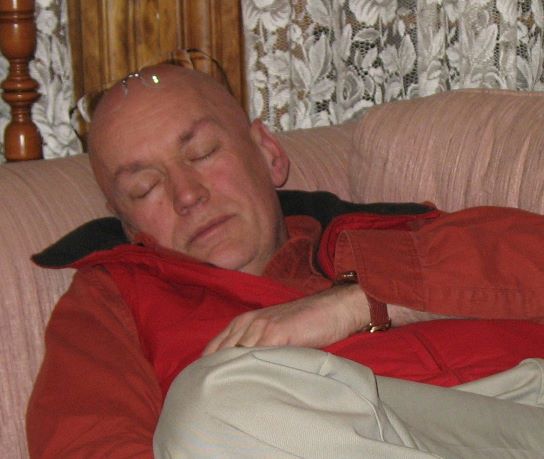
My grandfather always had his “snooze” after lunch; my husband loves his naps, and will snatch 15 to 30 minutes whenever he feels the least bit tired. But I rarely have trouble sleeping at night, so I’ve always felt I didn’t need a daytime nap. And I didn’t want to “waste” the time…

Then I stumbled across Sara Mednick’s book, “Take a Nap! Change Your Life” She, too, didn’t believe in naps but was amazed at how much better she felt afterward when, exhausted, she succumbed one afternoon. Being a sleep researcher, she decided to investigate what science tells us about daytime napping. Finding essentially no nap research, she decided to investigate herself. This developed into a career of nap research! Here’s some of what I learned from her book.

Essentially all other animals take daytime naps – they call this “multi-phasic” sleep. In Europe, the daytime “siesta” is part of the culture, although they are gradually succumbing to the North American idea of pushing through the day, regardless how tired. I’ve been surprised more than once at finding a shop closed at mid-day, especially in smaller towns and villages. But now I understand it better… and I should have been napping myself at midday, not shopping!

The early afternoon “slump” in energy has often been blamed on what we ate for lunch or simply overeating. But it’s really part of our Circadian (daily) rhythm, a pre-programmed mini-dip in energy, and a signal that it’s time to nap. A 20 to 30 minute sleep, about 6 hours after morning waking is beneficial for alertness, mental ability and overall health. Our brains are programmed for it.

And, in case you feel silly about napping, you should know that some of the greatest minds benefited from regular naps: Leonardo da Vinci, Isaac Newton, Napoleon Bonaparte, Albert Einstein, John F. Kennedy and several other presidents, and Winston Churchill. Think of it as a new wellness technology… although it’s really nothing new. We’re just finally doing proper research to learn about it.

Sadly, the trend in recent years has been toward longer work hours. I remember talk of a four-day work week years ago, but it never happened. With rising housing costs in large cities, many have moved to the fringes for affordable housing, and the longer commute to work compounded with longer work hours can often result in less time for sleep.

Although many of us depend on caffeine to get through the day and we have medications for sleep disorders like narcolepsy, no drug has yet been invented that is a substitute for sleep, scientists say. Sleep deprivation has many detrimental health effects, including increased heart disease and stroke, increased car accidents, decreased immune function, decreased sexual function, premature aging, obesity, diabetes, irritability, depression, and all the symptoms of stress. Researchers say we may be confusion the symptoms of fatigue with the signs of stress. Both increase blood levels of the stress hormone, cortisol, that causes all of these effects.

The simplest solution is to incorporate naps into the our day! Science tells us there are at least 13 good reasons to nap (and 13 is my favourite number) :

  1. Increased alertness – A brief daytime nap can increase alertness by as much as 100%.

  2. Speed up motor performance – Improved coordination after a nap can mean fewer accidents.

  3. Improve your accuracy – Your boss will be happy you’re making fewer mistakes, and better decisions

  4. Look younger – Naps increase growth hormone production, which can result in improved skin texture and tissue regeneration. Naps are truly “beauty sleep”

  5. Improve your sex life – Daytime napping can increase sex drive and function. Nap now, love more later…

  6. Lose weight – Sleepy people crave high fat, high sugar foods more than people who are rested. Naps can also help you produce more growth hormone that reduces body fat.

  7. Reduce risk of heart attack, stroke and diabetes – Fatigue results in increased cortisol production, and this leads to increased blood pressure, heart attacks, stroke and other cardiovascular disorders and increased blood sugar.

  8. Improve your stamina – Naps give you extra energy for running a marathon or staying alert at meetings. A nap can make the second half of your day just like a brand-new day!

  9. Elevate mood – Lack of sleep makes you cranky.

  10. Boost creativity – Naps help your brain create connections needed for a fresh burst of creativity.

  11. Reduce stress – Naps can lower cortisol and make you a less-stressed, calmer person.

  12. Improved nighttime sleep – Contrary to some sleep advice, research shows a midday nap can actually improve your nighttime sleep. Going “beyond” with fatigue can rev you up so you’re too “wired” to fall asleep when you have the chance.

  13. It feels good! – Millions of nappers (and essentially all animals) can’t be wrong…

So, create opportunities for a nap during your day, ideally about 6 hours after you wake up in the morning. You’ll feel better, be healthier, increase your productivity and make better decisions. Even your boss should be interested – introduce him/her to the science of napping!

Further reading:

Take a Nap! Change Your Life: The Scientific Plan to Make you Smarter, Healthier, More Productive (Amazon.com or Amazon.ca )

Note: I have no affiliation with the author or seller of this book…just sharing a book I enjoyed reading and learned from!


Categories
Health

9 Ways reading makes you smarter

I have always loved reading… I was one of those kids who read with a flashlight under the covers when I was supposed to be going to sleep. One of my favourite features of the Kindle Reader I have now is that I can read it in bed without a flashlight…

As a practicing pharmacist, virtually all of my reading was non-fiction, learning information that would help me be a better pharmacist. But I always loved novels, especially historical ones and those about another culture or a country I’d never visited. Now I try to balance my reading between fiction and non-fiction.

So you can imagine how pleased I was to find an article based on science about the many ways reading fiction is good for your brain… couldn’t wait to share it with you!

Science-based ways reading improves brain function:

  1. Improves ability to detect and understand social cues This skill is known as “Theory of Mind” and helps us to interpret the actions and body language of others. If you’re a fan of “Big Bang Theory”, think of Sheldon, a character who reads only scientific literature and has great difficulty understanding the emotions of others and subtleties in language, such as sarcasm. Well-written literary fiction will “show” not “tell”… emotions are shown through actions of the character rather than describing the emotion itself (for example: if a character “storms from the room” the author doesn’t need to say he is angry).

  2. Increases empathy Fiction allows the reader to get in touch with the characters’ thoughts and feelings, imagining other realities and how they might feel in that situation themselves. Readers of fiction scored better than non-fiction-only readers on a test to guess a person’s feelings when shown only a photo of their eyes.

  3. Sharpens memory and engages imagination Simple 3-word phrases, like “red leather purse” were enough to activate the hippocampus, a center in the brain for memory, in functional MRI tests. When reading fiction, the reader needs to consider both what is being said and what is not said. Often spaces need to be filled in using the imagination. I have often described a good book as a “movie in your mind”, with pictures created by your imagination using cues and descriptions in the book. Unlike movies and television, where all the details are provided, books require the reader to create the pictures and “hear” the voices. And most books last much longer than the average TV show, requiring you to remember details from the beginning that may turn out to be important later on…

  4. Improves decision making and emotional processing Modern scanning techniques have shown that reading stimulates key areas of the brain. Any time you exercise part of your brain, it responds by creating new connections between brain cells to increase function. These are the areas of the brain that light up when reading:

    1. Prefrontal cortex – area for decision making and recall

    2. Lateral temporal cortex – area that deals with emotional association and visual memory

    3. Hippocampus – long term memory processing

    4. Parietal lobe – understanding emotions and interpreting sensory information

    5. Posterior cingulate cortex – memory recall

  5. Can create effective self-reflection Poetry, especially “high poetry”, such as works by Shakespeare, Wordsworth or Dickinson, activates “autobiographical” memory, your episodes of personal memories of experiences, objects, people and specific events experienced at a particular time and place. Poetry encourages reflection on these episodes to apply personal meaning and understanding to the poetry.

  6. Creates serious “mind building” Reading-connected activity in areas of the brain associated with comprehension continues for as long as 5 days. This “shadow activity” is similar to what occurs with muscle building. Reading is like lifting weights for your brain!

  7. Improves vocabulary and verbal skills Language constantly evolves. Different authors write in different ways, using different language, exposing you to more words used in a wide variety of ways. Reading a variety of authors teaches new ways of explaining ideas or creating images with words. There is a direct correlation between good verbal skills and reading. Even reading non-fiction can expand your vocabulary while you acquire new information.

  8. Slows mental aging Reading is a constant mental exercise for all ages. Word imagery, metaphors, philosophy, abstract ideas and creativity challenge and activate the brain. Lifelong readers demonstrate better processing and understanding of sentence structures, comprehension and memory as they age.

  9. Encourages learning from the content you read Non-fiction teaches ideas and facts but well-written fiction can also teach about other cultures, geographical areas, ideas, history and more through story and setting. The key is that the author does the required research to provide accurate details, even though the story line may be fictional.

So, never feel that a good novel is a waste of time. Enjoy imaginative stories along with inspiring non-fiction, knowing that it all keeps your brain active and continuing to develop throughout your life.

Categories
Health

Marijuana — Now Legal for Medicinal and Recreational Use in Canada

Marijuana became legal for adult recreational use in Canada on Oct 17th, as I’m sure you’ve heard on the news. The Canadian Government’s goal is to control use, eliminate the illegal trade, prevent use in minors and, of course, collect taxes.

But I’d like to talk about the other side of marijuana — medicinal use. In Canada, marijuana use for medicinal purposes has been legal for 17 years but it’s only supplied through government sources, essentially mail order. Pharmacies are still not permitted to distribute or help clients with this medication and many doctors do not prescribe it, and this has lead to a fracturing of the usual medication system designed to prevent drug interactions and problems.

Another downside, besides the inconvenience of mail order, has been the stigma of using what was, until now, an illegal substance. I know of patients who would have benefitted from it, according to current studies, but were afraid to try a medication that had been described to them as a “drug of abuse”, worried they might become “addicted” while their doctor prescribed opioids or other prescription drugs instead.

Medical uses of marijuana

While marijuana is currently not a first-choice treatment for any condition, scientific evidence has shown it works for chronic pain, nausea and vomiting caused by chemotherapy, spasms caused by MS, and treatment-resistant epilepsy. There is also discussion around the possibility it may help decrease the opioid problem, now at crisis level in many countries, by substituting marijuana for this more dangerous class of medications. I know of patients who have successfully made the change from opioids to marijuana and now experience good or better pain relief with fewer side effects.

There are many active components in marijuana, known as cannabinoids — at least 113, according to official Health Canada information, and as many as 400 different ones, according to other references. The two most active cannabinoids are THC (tetrahydrocannabinol) and CBD (cannabidiol). Most medicinal marijuana contains more CBD, the chemical that is active for pain and reducing muscle spasms) and less THC (which creates the “high”). Products can now be produced that contain virtually no THC for medicinal use. These products are considered safer than opioids and have fewer side effects than anti-inflammatory analgesics (known as NSAIDS).

Currently healthcare professionals are divided regarding whether access to medical marijuana should be integrated into the current medicine supply system. Many are not well educated on its actions and side effects, as they have had little or no contact with medical marijuana. Your doctor and pharmacists may not be able to advise you whether you would benefit from this medication unless they have taken the initiative to educate themselves. Currently there is little incentive for pharmacist to become involved, as they are not permitted to help even clients with legal permission to use marijuana. Last year, a young pharmacist lost her licence temporarily for helping one of these clients solve a problem with his medical marijuana — a tragedy, in my opinion.

Is it OK to self-medicate?

With marijuana now available for recreational use, it has also become available for patients who may decide to self-medicate. This is certainly not an ideal situation When something is affecting your health, it’s always best to get a proper diagnosis and discuss treatment options with your doctor or nurse practitioner. Like any medication, medical marijuana use needs to be monitored, to ensure it will be used in the safest manner possible, at the correct dose, in the ideal formulation, and that interactions with other medications or diseases will be avoided.

For example, smoking marijuana has all the same risks of lung problems that smoking tobacco does, and would aggravate lung diseases like asthma. While occasional recreational smoking may run lesser risk, smoking marijuana every day for medicinal use is understood to be as dangerous as a tobacco habit. Inhaling marijuana gives quick onset of effects (within seconds to minutes) but the effects do not last as long (usually 2 to 4 hours), requiring frequent dosing. Other forms, such as oral (swallowed) or sublingual (placed under the tongue) can last up to 12 hours, making them more suitable for medication use for patients with chronic diseases.

Can marijuana be habit-forming?

Humans produce their own cannabinoids, just like we produce our own opioids, and these drugs work by attaching to receptors in our brains for the substances we normally produce. When this happens, our brains change to compensate for the extra stimulation from the introduced drug. When these drugs are stopped, it can take some time for the brain to revert back to its usual function and this results in withdrawal effects that are generally opposite to the effect of the drug.

Opioids, for example, cause drowsiness and reduce the perception of pain. When opioids are stopped abruptly after longer-term high-dose use, people often have difficulty sleeping, may develop anxiety and could become hypersensitive to pain. While the brain changes with marijuana seem to be less persistent than those that occur with opioids, resulting in less withdrawal symptoms that with opioids, these can occur after long-term high-dose use. Marijuana withdrawal can result in nausea, anxiety and sleeplessness. Tapering the dose is recommended to avoid withdrawal effects when stopping long-term use, the same as with any medication that affects brain receptors, such as antidepressants, anti-anxiety medications, antipsychotic drugs and opioid analgesics. Further research still needs to be done to identify risks and benefits of long term use for chronic diseases.

In summary, there is still much to learn about marijuana, both for medical and recreational use. Legalization of the substance will encourage more research, reduce stigma for those using it for medicinal purposes, and encourage learning on the part of healthcare professionals. Our best hope, on the medicinal side, is that marijuana may help to reduce deaths and addictions to opioids from both medical and illicit sources while becoming an effective and safer treatment for a range of medical conditions.

References and further reading:

Now that cannabis is legal, let’s use it to tackle the opioid crisis, The Conversation

Cannabis in Canada, Health Canada

Information for Healthcare Professionals on Cannabis and Cannabinoids, Health Canada

Categories
Health

Ever considered keeping a journal?

Ever considered writing a journal? I’m thinking about it… want to think along with me?

There are many reasons to journal. My mom kept one for years, initially about household purchases and expenses – she liked looking back to find out just when we had bought that old couch or how much electricity had gone up in the past year. Eventually, she had records that dated back several decades. In more recent years, she kept track of the weather, appointments, who had visited and anything she wanted to remember. We all said her memory was better than ours, and that probably had a lot to do with her journaling.

A journal can take many forms and can contain anything you want. You may journal for different reasons and your purpose can change over time. The only intentional journaing I’ve done so far has been a travel journal, with the goal of making notes of where we went, how we got there and what we saw and did, in case we went back or wanted to share information with others about that location. Although, now that I think about it, I also kept a journal of sorts while working at the hospital pharmacy, keeping notes in a pocket-sized ring binder on new drug information. Several of the pharmacists there did…we called them “portable brains”!

So, there are lots of types of journals, and plenty of reasons to write daily. But what things should you decide before starting a journal?

  • Why do you want to journal?

    • A journal can be used to capture events and memories, as I did with my travel journal, but it can have several other uses too. Some people use a journal as a processing tool, to help solve problems, for example, by writing out the pros and cons of decisions they need to make or by listing their choices if what to do next on a page. Some use a journal to work out their feelings — when you write down the little things that irritate you, you realize they really are just little things.

    • Others just want to start a daily habit, perhaps as they begin a new stage in life. With the birth of each of my children, I purchased a “baby book” to record all of those wonderful “firsts”. After my third, I continued to record memorable events related to my children, eventually filling up a small journal. My children have enjoyed looking through it years after it was written and, in a sense, it was written as much for them as for myself.

    • Writing daily in a journal can also be used to improve your writing skills. Any practice helps and, knowing the writing is not going to be read or edited by others can give you freedom to let ideas to flow onto the paper or screen.

    • Recording your thoughts can also help improve self-awareness. Journaling can create a time to just think and record those thoughts, if that is your goal.

  • What format do you want to use?

    • Digital

      • While you could simply write in a word processor, such as Word, you might want to consider a dedicated app, such as Day One, Live Journal and many others. Some also allow digital photos to be included, a nice addition to a travel diary, and can sync between devices. These programs offer the advantage of security, as you can password-protect your writing. Some can also be encrypted for further protection, which could be important if you are writing deeply personal honest thoughts that must never be seen by others.

    • Pen and paper

      • Writing in a traditional paper journal slows you down since it’s more difficult to change words written in ink. This requires you to think more before writing, and that may be one of your goals. Many also feel it offers a richer experience, similar to how some people prefer traditional paper books to electronic ones.

      • Paper journals can be kept in a locked drawer for a certain level of security. However, consider whether you care if it is found after you’re gone…

  • What to write?

    • Julia Cameron, author of The Artist’s Way, suggests writing a stream of consciousness — whatever comes into your mind — first thing each morning to stimulate creativity. She refers to these as “morning pages”. This activity can be helpful for writers, to practice allowing ideas to flow onto the page uncensored.

    • Michael Hyatt, former publisher, now author and blogger, suggests creating a template to guide your journaling, rather than facing a blank page. To do this, list questions you want to answer each day and leave space for answers

      • For example:

        • What happened in the past day? (records events)

        • What were my successes? (gives a sense of momentum, positive focus)

        • What am I thankful for (promotes gratitude)?

        • How do I feel right now?

        • What have I learned in the past day?

        • What can I do next to move ahead with a project I’m working on (or want to do)?

      • A template can work well to record daily events and to help you focus on what is positive in your life. Also, as you begin, it can be helpful just to get you started each day.

  • When is the best time for you to write? How long do you want to spend writing each day?

    • Regardless of when you decide to write, choose a time of day that is convenient and consistent. A habit is easier to create if you make it part of an established daily routine, for example, with your morning coffee. Leave your journal on your kitchen table or, if you prefer to write at night, on your pillow as a reminder. How long you spend each day depends on your goals — a stream of consciousness journal might be a timed activity, say 15 minutes each morning, while recording thoughts and events while traveling in an amazing country might vary by the day, depending on your activities.

  • How long you want to continue to do this?

    • Commit to a trial period. Realize it may take a while to become a daily habit. Don’t give up after too short an effort and don’t worry if you miss once in a while at first. It may seem a bit difficult as you begin (what to write?), but many people find journaling enjoyable. Don’t be surprised if your journal changes over time — just write what is enjoyable or helpful for whatever stage of life you are in right now!

Categories
Health Public Health

Flu season? Who cares…

You’re healthy. A little flu won’t hurt you. And you hate needles. Why bother with the flu shot? Well, it’s not just about you…

You see, when you get the flu, even just a mild case, you can pass it along to others, and they may not be as healthy as you are. That sweet little old lady in front of you in the grocery line or the young woman in the doctor’s office, that you didn’t know was taking chemo, could be exposed to the virus you just caught because you didn’t get your shot. And they could become very ill because their immune system isn’t as strong as yours. If you don’t get the flu, you can’t pass it on.

Protect the herd…

And, while we’re talking about virus infections, I should tell you about something called “herd immunity”. This term means that if most of the the population (or “herd”) in an area is vaccinated to protect them from a virus, then those who are more vulnerable and those who can’t (or won’t) get a vaccine will be better protected.

But a majority of the “herd” needs to get their flu shot for the effect to make a difference. If too few are protected, then enough people are vulnerable to let an epidemic spread. We’ve seen this lately with some of the childhood vaccines… Diseases like mumps and measles had become quite rare, but in recent years news articles have described local areas and sports teams where groups of people have become sick with these viruses. Untrue rumours on the internet have convinced many parents that there is a connection between the measles/mumps vaccine (MMR) and autism. In spite of having been proven incorrect, articles continue to circulate around the internet about this false connection.

Reactions are rare but…

Most people tolerate vaccines well – the slightly sore arm or mild fatigue that sometimes occurs is nothing compared to a full-force flu. And, in the elderly, the very young, and those with chronic disease or a weakened immune system, it can be life-threatening. People die from the flu every year.

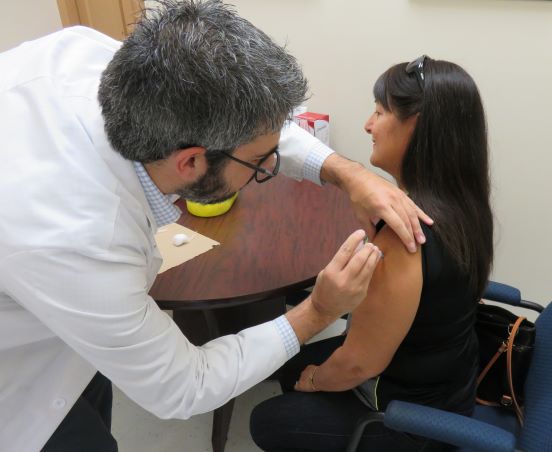
A very few serious reactions to vaccines are reported, due to allergies or sensitivities, and this is why you need to stay for 15 minutes after your shot. If you should have one of those rare reactions, you will receive treatment for it right away. Doctors will recommend that people who have had a serious reaction do not take that vaccine again or that they receive it in a hospital setting. This is another case where herd immunity, ensuring that friends, co-workers and family are vaccinated, can be important.

So do your part to protect yourself and others — find a pharmacy or clinic that gives flu shots. Most pharmacies do now, and they’re free there for most people just as they are at your doctor’s office. Roll up your sleeve and take a deep breath… it’s done in seconds and hardly hurts at all.

And, to feel the injection less, here’s what to do:

  • Relax. It hurts a lot more if the muscle is tight.

  • Ask the person injecting to wait until the alcohol evaporates. It only takes a few extra seconds.

  • Don’t move. You want the needle to go straight in and straight out quickly.

  • Distract yourself. Even taking a deep breath can be enough distraction to take attention away from the injection.

  • Apply pressure right away. Your brain will register pressure instead of pain.

    • Often an injector will press lightly on your arm while giving the injection, for the same reason.

    • They will also make sure the injection is well into your muscle – it hurts less there and works better too.

    • The injector will use a cotton ball to apply pressure. You can take over so they can finish up their paperwork.

  • If the area is sore later, apply a cold compress (a refrigerated ice pack or ice cubes wrapped in a cloth). You can also take a dose of Ibuprofen or Acetaminophen (Tylenol) to reduce soreness at the site of the injection, a common side effect.

So, lots you can do to make your flu shot practically painless!

Categories
Health

8 Steps to a Long and Healthy Future

Lola Holmes, age 100 — World’s Oldest Active Curler.

Scientists say human lifespan in the future could be as long as 120 years. So, if we retire at age 60, we could be living half of our lifetime in retirement. Does this change how you think about your future?

Diet, exercise, taking care of your health and avoiding accidents are, of course, important to survival. But they also increase your odds of experiencing productive, disability-free and enjoyable elderly years. Studies of populations with high numbers of people who live to age 100 also suggest that having a purpose in life outside of yourself, doing good for others, and making your mark are also important factors in longevity. Being socially connected with family and close friends is considered essential for optimal health as well.

So gear your life plan to longevity to make the best of the time that may be available to you. Just imagine all you could accomplish in those extra 60 years if you maintain a healthy body and mind!

How you begin your day has a strong influence on how your day goes, and each day influences what you accomplish in life. Let me share what I learned in reading a thought-provoking article entitled “How to Feel Amazing Before 8 a.m.” — and I expect these ideas would work as well for retired folks (like me!) who start their day at 8:30…

  1. Set yourself up the night before for a successful day.

    1. No screens for 1 hour before bed (except perhaps a low-light e-reader)

    2. Stop thinking about work (if not retired!) or about your problems

    3. Be ”present” with loved ones or enjoy a hobby or relaxing activity (reading, art, etc)

    4. Create a good sleep environment (cool, quiet room, comfortable bed)

  2. Sleep at least 7 hours, or your ideal amount of sleep

    1. Getting enough sleep is associated with improved memory, longer life, more creativity, lower stress, increased attention, less dependence on caffeine, greater ease in maintaining a healthy weight, and decreased risk of depression and accidents.

    2. Set your bedtime to allow sufficient sleep before your chosen wake up time.

  3. Set an alarm and get up at your planned time.

    1. This can give you your first achievement of the day and is thought to boost daily confidence.

    2. Choosing an earlier wake time is an ideal way to “create time” for projects or activities you’ve been wanting to do.

  4. Change your environment soon after arising.

    1. A fresh environment boosts energy.

      1. Step outside for 5 to 10 minutes, look out the window to check the weather, water your plants or just move to another part of your home to welcome the new day

      2. This increases energy because the brains loves novelty and newness.

  5. Take 5 to 10 minutes for some type of meditation or writing

    1. Imagine the future you want to create for yourself

    2. Assume the feeling of being there to improve your mood for the day

    3. This can be done in the “fresh environment” you chose in step 4.

Albert Einstein said: “Imagination is more important than knowledge. For knowledge is limited to all we now know and understand, while imagination embraces the entire world, and all there ever will be to know and understand.”

  1. Listen to Quality information as you exercise.

    1. You need to be physically fit to enjoy your elderly years.

    2. Stimulating your brain as you exercise your body sets you up for a productive day.

    3. Headphones with a screen or just audio are both effective.

    4. Try TED Talks, audiobooks, or online courses (many free ones are available).

  2. Eat a healthy breakfast and include foods that help brain function (at breakfast and through the day)

    1. Suggested “brain foods”: nuts, seeds, avocados, beets, blueberries, bone broth, coconut oil, egg yolks, turmeric

    2. Include fermented foods and foods that contain probiotics and fiber.

      1. A healthy gut = a healthy immune system and healthy brain function. The gut and brain communicate with each other through nerves and chemicals called neurotransmitters.

  3. Then begin work on your creative project while you are in an energized “peak state”, early in the day.

    1. Do tasks or projects that are most important to you first to make sure they get done.

    2. With the energy and sense of achievement you’ve created, you may find that you get more done later in the day too…

Accomplishing something significant early in the day, sets you up for a great day. And taking those few minutes to think about what is most important helps to ensure you focus on what you really want to accomplish. Just imagine what you can do with that “extra” time each day…

I wrote this article because I‘d really like to do this… Are you with me?

References:

Medium.com

I’ve Decided to Live 120 Years by Ilchi Lee

CTV News — World’s Oldest Curler

Categories
Health

Does an aspirin a day keep the doctor away?

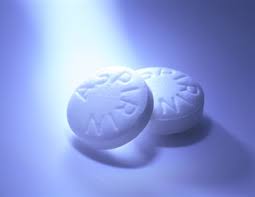
It’s been well proven that a low dose of aspirin every day, as little as 50 mg, helps prevent heart attacks in those who already have heart disease. But should healthy older adults take daily Aspirin? Is the benefit for those without established heart disease greater than the risk from side effects that they might experience?

Aspirin is an old drug…

Aspirin, also known as acetylsalicylic acid or ASA, has been around for a long time. It was originally extracted as salicylic acid from white willow bark or leaves by making the plant into a tea that would be taken to relieve pain and fever, and has been used this way since the middle ages. In the 5th century BC, the Greek physician, Hippocrates, described using willow for signs of inflammation: redness, heat, swelling and pain, and there are descriptions of its use in ancient Arab and Roman herbal texts. In the 1800’s chemists learned to react the salicylic acid derivative, sodium salicylate (often found these days in aspirin creams), with acetyl chloride creating acetylsalicylic acid (ASA) that was easier on the stomach and just as effective for pain and inflammation. The first Aspirin tablet, as we know it, was marketed in 1899.

But is has new uses

It wasn’t until the 1970’s that chemists really began to understand how Aspirin works. It reduces pain and inflammation by blocking the action of enzymes, called Cox-1 and Cox-2, that are needed to make hormones called prostaglandins. Prostaglandins create inflammation, redness, swelling and pain in response to an injury. But Prostaglandins are also needed to create the thick layer of mucous that protects the stomach, and this is why taking aspirin can lead to stomach problems. Many people take aspirin in a form that has been coated to prevent it from dissolving in the stomach, causing it to dissolve in the intestines instead. However, these coatings have not been proven to actually make a difference in the risk of bleeding caused by aspirin. This is because the problem is that Aspirin blocks the production of protective mucous coating in the stomach, not because the drug itself irritates the stomach. The coating may reduce symptoms such as heartburn, however, where the stomach contents are regurgitated back up the esophagus, causing burning and irritation.

The other important action of aspirin that was discovered recent years, is its ability to reduce the “stickiness” of platelets in the blood. Platelets are the first stage of creating a blood clot so making them less sticky means clots will not form as readily. People sometimes refer to this action as “thinning” the blood. Heart attacks and most strokes are caused by a clot forming inside the artery, blocking blood flow to part of the heart muscle or brain. Without oxygen supply from blood, the tissue in the blocked area quickly dies and stops working, resulting in a heart attack or ischemic stroke.

Only very low doses of Aspirin are needed to interfere with platelet stickiness, much lower doses than are needed for pain and inflammation. Platelets that are exposed to Aspirin are changed permanently so, to recover from the blood thinning effect, new platelets need to be made and it takes several days to make enough to regain activity. This is why Aspirin needs to be stopped for about 4 days before a surgery or other procedure where we need blood clotting action to prevent excessive bleeding. Theoretically, an Aspirin could be taken every 3 or 4 days and still work as well to prevent heart attacks, but that’s a recipe for forgetting! This is why doctors recommend taking a very low dose, usually 80 mg, every day. But if you miss a day once in a while, it’s good to know that it’s still working.

Who should take Aspirin?

So, back to my original question: is it a good idea for healthy older adults to take an Aspirin a day help to prevent heart attacks? Many have assumed that it would be, just as it is for those who have already had a heart attack. However, we also have to consider the potential for stomach problems, particularly the risk of severe, life-threatening bleeding.

A new Australian/US joint study that answers this question was just published in the New England Journal of Medicine. The study looked at 20,000 healthy older adults who had no chronic diseases or increased risk of heart attack, with an average age of 74. The results? A daily Aspirin did not increase “disability free survival” in those who took it, compared to those who took a placebo (non-drug sugar pill), but the Aspirin group had a higher risk of severe bleeding in the digestive system and brain. Severe bleeding, or hemorrhage, in the brain gives the second, less common type of stroke, called hemorrhagic stroke.

So, if you are taking a daily low-dose Aspirin but have never had a heart attack, talk to your doctor about whether you should continue. You could be getting more risk than benefit. And be aware that a black, tarry-looking stool suggests that you may be losing blood somewhere in the digestive system, although a few medications can cause a black-coloured stool, such as iron pills and Pepto Bismol. If you take Aspirin, check your stool before you flush. If it looks like it was mixed with black tar, see your doctor right away.

References:

Daily low-dose aspirin found to have no effect on healthy life span in older people

History of Aspirin

Categories
Health Menopause

Mid-life Memory Problems – Part 3

Brain “overload”

One factor that is problematic for our generation, is the level of information and distraction we are exposed to every day. Advertisements compete for our attention constantly – advertisers are expert at stealing our focus from what it is we want to accomplish.

We know that to remember something, we need to pay attention, take the information in, process it and store it properly. Studies have shown that multitasking, doing two or more things at once, takes longer than doing each separately. The brain can only focus on one thing at a time and switching between tasks wastes time as we refocus on the new activity.

At least some of the large companies that have been so successful at grabbing our attention, like Facebook, Instagram and Amazon, are realizing the damage they are doing and have started to talk about changing their strategies. Both have recently rolled out programs to meter your time on their platforms to enable us to regain some control.

So, if you want to remember something, turn off the social media and its advertising, give it your full attention and only take on one task at a time.

Medications

Sleeping pills and tranquilizers are known to decrease memory and can even cause periods of amnesia in some people. While this may be due to the drowsiness they cause, slowing brain function, it could also be because of the receptors for messaging chemicals (or neurotransmitters) that they block in the brain.

Receptor blocking is thought to be the problem with anticholinergic drugs that can cause marked memory decrease in some people. These drugs block the neurotransmitter, acetylcholine, from doing its work in the hippocampus memory center, either as their mode of action or as a side effect. Anti-nausea drugs, antihistamines and some anti-depressants have this anticholinergic effect; the more drowsiness the drug causes, generally the greater the anticholinergic effect it has.

Beta-blockers, a class of drugs used for blood pressure and after a heart attack, can also reduce memory, as can some stomach drugs, in particular, Zantac and Pepcid.

Corticosteroids such as prednisone, which mimic our cortisol, can decrease memory by the same mechanism that high natural cortisol levels can when we have a lot of stress, as described in last week’s blog.

And chemotherapy can cause a general brain fogginess, due to its toxicity, that is nicknamed “chemo brain” by some patients.

Diseases and medical conditions

Lastly, some medical conditions can reduce brain function. Weight loss, where sugar intake is reduced, results in a decreased supply of the brain’s favourite food.

Lyme Disease, caused by a bacterium that is carried by infected ticks, can eventually affect brain function and memory if the initial infection is not detected and treated.

Insulin resistance is a condition where the body becomes insensitive to insulin, requiring higher amounts to be released into the blood to move blood sugar into muscle and storage sites. It is present in people with Type 2 diabetes (adult onset) and pre-diabetes. Researchers have found a strong association between people with insulin resistance, those with declining memory, and risk of developing Alzheimer’s disease.

Minimal Traumatic Brain Injury

Next, we know that concussions cause brain damage, but minimally traumatic brain injuries can cause problems too, especially if repeated. These are bumps or sudden direction changes that don’t cause loss of conscience but are still traumatic enough to create microscopic tears and bleeding in the brain. Sometimes the results of this damage only show as headaches or dizziness but can return in mid-life, as memory loss.

How can you know if it’s more than just “age”?

Doctors will often use a simple test, called the Mini Mental State Exam (MMSE) to evaluate brain function. It consists of 30 questions that assess language, orientation, calculation, attention, recall and visuospatial function (the ability to analyze space and visual forms). However, the test is really geared to detect people with overt dementia. It isn’t sensitive enough to detect early stages of a dementia like Alzheimer’s. A person with high mental functioning can drop to normal – a serious change for them – but still test out as having nothing wrong, especially when the various test results are totalled and averaged.

Specialized centers, however, can conduct in-depth memory and brain function tests that can detect changes in individual areas of the brain by testing the memory and cognitive functions specific to each area of the brain. These tests are expensive and time-consuming, however, and are not commonly done.

Generally, though, you don’t need to worry if you’ve just misplaced your keys or lose your train of thought occasionally. Being unable to find your way home when doing errands, for example, is likely to suggest a more serious problem. However, if you notice a dramatic change in your memory or ability to accomplish daily tasks, it’s reason to have a discussion with your doctor.

I hope this series of articles has given you some ideas for changes you could make to improve your memory or perhaps has helped you detect an underlying cause of your forgetfulness!

References:

Finding it hard to focus? New York Times

Insulin Resistance May Boost Risk of Memory Loss

Categories
Health

Mid-Life Memory Problems – Part 2

There are many factors that can dull your memory… Here are a few more to be aware of:

Sleep

Getting a good night’s sleep is crucial to having your brain perform at its best. However, sleeping pills can leave you drowsy and can even impair your memory. There are many ways to improve your sleep, starting with good “sleep hygiene” or sleep habits. A good place to start is with the Sleep Well Nova Scotia website, https://mysleepwell.ca/ created by the Nova Scotia government to help reduce use of sleep pills.

For women – Hormones: Estrogen and Progesterone

Hormones can help to improve brain function. Sufficient levels are necessary for optimal function of the frontal lobe and hippocampus of the brain (centers for memory and decision-making), to increase neurogenesis (formation of new nerve cells), as well as being needed to properly use the neurotransmitter, acetylcholine, that passes messages from one neuron to the next. Estrogen also acts as an anti-oxidant and appears to reduce the effects of beta-amyloid (the protein that causes problems in Alzheimer’s Disease). Studies of women who take estrogen supplements after menopause report improved brain function, but those who take the synthetic progestin, medroxyprogesterone, along with it, do not. Unfortunately, real progesterone has not been widely tested for its effects on the brain, but progesterone receptors have been identified on the myelin that protects nerves, indicating that it is active in this tissue.

I recall a co-worker who had early menopause explaining the difference she noticed in herself when she changed from medroxyprogesterone, which was causing several side effects, to progesterone capsules. She had been having difficulty remembering drug names (so embarrassing for a pharmacist!) but improved dramatically after the drug switch to having no difficulty with names at all. I also had several women clients who referred to their progesterone cream (that I compounded for them) as their “memory cream”, as they had noticed a distinct difference with its use. I suspect it would only have this effect if the woman was lacking progesterone, but this is an area where I would like to see more research.

However, research into hormone effects on the brain (and elsewhere) slowed after the release of the results of the Women’s Health Initiative (WHI) study in 2002. Although this study was intended to examine the benefits of estrogen in older women who were well past menopause (the date of their last period), the results were thought to apply to all women, and many doctors and patients thought it was too dangerous for general use.

Reanalysis of the results of the WHI study and further studies have shown that hormone replacement provides more benefit than risk if started soon after menopause to control symptoms of hormonal change. Women at risk of breast cancer, blood clots, or heart disease, however, are still recommended to avoid use, and doctors screen women carefully before prescribing hormones. Now, hormones that are exactly the same as those produced by women’s bodies are available in tablets, creams and patches. It is recommended to use the lowest amount of hormone for the shortest time necessary until further long-term safety studies are done to show how long it would be safe to use them for issues such as memory and decision-making problems. However, progesterone (the hormone that is the same as the one our bodies make) is considered a very safe hormone – federal law in US actually does not require a prescription for its sale, although some pharmacy state laws override this.

Cortisol

Cortisol is a long-acting stress hormone. When it prepares you to deal with a stressful event, it increases blood pressure, speeds the heart, raises cholesterol, and pushes blood away from digestion and to the muscles to ready them for action. Just this much description of its effects suggests it causes several health problems if it stays in your blood stream constantly because of ongoing stress. Although it is necessary for life and initially sharpens memory and brain function, too much in your system for too long creates many health problems, including lack of sleep which will dull your memory. Studies in rats showed that excess cortisol caused neurons in the hippocampus (an important area of the brain for memory) to shrink, and reduced branching, connections and formation of new brain nerve cells.

Exposure to stress as a very young child, often results in an increased stress response as an adult. Studies have identified that highly stress-prone adults have considerably more memory impairment and risk of developing Alzheimer’s than their non-stressed counterparts. So, not everything is under our control for ourselves, although we may be able to make a difference for our children.

But, it makes sense to try to reduce stress (and consequently the stress hormones that accompany it), by using techniques like yoga or meditation, as part of a strategy to help improve your memory. Personally, I’m a big fan of just listening to relaxing music or taking a walk on the beach to release stress. But note that the vitamin, B5 (pantothenic acid), is reported to reduce cortisol levels. Taking this vitamin (or a B-complex vitamin that contains it) at bedtime can help some people with high cortisol get a better night’s sleep. Remember that cortisol keeps you awake, activating your stress “fight or flight” system that keeps you alert and ready to fight off danger or run away from it.

Brain Derived Neurotropic Factor (BDNF)

Scientists have suggested that cortisol may interfere with the production of Brain Derived Neurotropic Factor (BDNF) which stimulates branching and growth of new brain nerve cells. BDNF is controlled by a particular gene – one-third of humans inherit a variation of the gene that results in poor production of BDNF, so if you seem to have inherited your mothers “poor memory”, it could be that you’ve inherited this less-effective gene. Interesting… but environmental causes of poor memory are at least as important as the genes you inherited.

On the up side, essential fatty acids, like omega-3’s can help to counteract cortisol’s effect of reducing growth of new neurons… another reason to have a healthy diet with plenty of “good fats”.

Medications

Sleeping pills and tranquillizers are known to decrease memory and can even cause periods of amnesia in some people. While this may be due to the drowsiness they cause, slowing brain function, it could also be because of the receptors they block in the brain.

Receptor blocking is thought to be the problem with anticholinergic drugs that can cause marked memory decrease in some people. These drugs block the neurotransmitter, acetylcholine, from doing its work in the hippocampus memory center, either as their mode of action or as a side effect. Anti-nausea drugs, antihistamines and some anti-depressants have this anticholinergic effect; the more drowsiness the drug causes, generally the greater the anticholinergic effect it has.

Beta-blockers, a class of drugs used for blood pressure and after a heart attack, can also reduce memory, as can some stomach drugs, in particular, Zantac and Pepcid.

Corticosteroids such as prednisone, which mimic our cortisol, can decrease memory by the same mechanism that high natural cortisol levels can, as described above.

And chemotherapy can cause a general brain fogginess, due to its toxicity, that is nicknamed “chemo brain” by some patients.

Diseases and medical conditions

Lastly, some medical conditions can reduce brain function. Weight loss, where sugar intake is reduced, results in a decreased supply of the brain’s favourite food. Insulin resistance is a condition where the body becomes insensitive to insulin, requiring higher amounts to be released into the blood to move blood sugar into muscle and storage sites, resulting in less sugar available for brain function.

Lyme Disease, caused by a bacterium that is carried by infected ticks, can eventually affect brain function and memory if the initial infection is not detected and treated.

Stroke can also affect the memory if it occurs in one of the areas of the brain where memories are processed. And, of course, a brain tumor in one of these areas could show up initially as a memory problem.

So, as with any serious change in your health, it is always wise to consult your doctor if you detect a noticeable change in your memory to find out whether there is an underlying cause of your memory problem.

References:

Carved in Sand ; When Attention Fades and Memory Fails in Midlife by Cathryn Jakobson Ramin

Finding it hard to focus? New York Times

Categories
Health

Mid-life Memory Problems – Part 1

Have you ever gone to the kitchen or bedroom, only to completely forget what you wanted to do once you’d arrived? Have you ever been unable to find a common word or lost your train of thought, mid-conversation? It’s enough to make you worry you might be losing your mind… and it happens to too many of us after age 50 or even 40…

Yes, it’s happened to me too – so embarrassing and frustrating – and to many of my friends and family. We try to laugh it off as an “old-timer moment” or a “brain fart” although secretly we worry it might be an early sign of serious memory problems. But how would you know? I decided to do some reading to see what I could learn…

Like every part of the body, your brain cells age over the years. Researchers once thought we were born with all the brain cells we would ever have, but in more recent years they’ve realized this isn’t correct. Your brain is “plastic” – it grows and changes with use, creating new nerve cell branches and connections as you make new memories and learn new skills. And new neurons are created too, a process called “neurogenesis”.

“Use it or lose it”

So, the first piece of advice for maintaining a good memory, is to continue to learn throughout your life so you will constantly create new brain nerve cells (called neurons) and new connections between these neurons in your brain. If you aren’t building new connections and reinforcing old ones by using them, the number of connections (and the efficiency of your brain!) will gradually decrease over time. And it’s never too late to start…

The more complex the skill is that you are learning and the less familiar you are with the concept, the better it is for your brain function. For example, learning a new language is highly recommended to keep your overall brain function sharp. I guess I made a good decision when I started learning Spanish several years ago. Trying something that is out of your comfort zone is also recommended, as you will need to work harder at learning – presumably creating more new brain pathways in the effort.

Another approach you could consider, to use and build your brain, is one of the online “brain exercises”. One I came across, MyBrainTrainer.com, is worth looking at, especially if you have frequent memory problems and want an easy way to start rebuilding. It uses a gaming format and compares your scores with their average user, so you can track your improvement. It’s free for the first 3 months to see if you find it useful.

Diet

The second piece of advice I learned, is to look at your diet. While a healthy, balanced diet is recommended to support all parts of the body, fats are needed for healthy brain cells, and specifically omega-3 fats. Nerve cells in the brain have a fatty coating called myelin, that you could think of as “insulation”. When it becomes damaged, the nerve can short-circuit. In Multiple Sclerosis, many nerves lose their myelin protection, and nerve signals to muscles and organs (such as the eyes) can completely fail resulting in inability to move or blindness. In the brain, with its billions of nerve cells, the loss of function of individual neurons is not always so obvious.

Omega-3 fats are found in seafood but be aware that some fish contain methyl mercury which can harm your memory, especially large lazy fish like tuna (albacore and ahi tuna), swordfish and shark, that eat smaller fish, concentrating the mercury or those caught in lakes that contain large amounts of run-off surface water (the Great Lakes, for example). Salmon, shrimp, tilapia, canned light tuna and catfish are said to generally have lower mercury levels. And little fish like sardines, anchovies, and scallops tend to be low, being lower in the food chain that concentrates mercury. An omega-3 supplement that has been tested for methyl mercury content might be a good choice to increase your intake, unless you can verify the mercury content of the seafood you purchase.

The main fuel for your brain is glucose, so eating complex carbohydrates is thought to be helpful for memory. These foods – whole grains, beans, peas and vegetables – release their glucose more slowly, keeping your brain supplied with its favourite fuel much longer than simple sugary foods do.

You also want to avoid “brain rust”, oxidation damage to your brain cells. Oxidation is a natural process: oxygen radicals, that are produced as a by-product of our metabolism, cause damage to healthy cells. As we age, we become less efficient at repairing the damage they cause. Eating anti-oxidant foods can help prevent as much damage from occurring. Colourful fruits and vegetables contain lots of antioxidants, hence the recommendation to serve a colourful plate. But other foods can contain high levels of antioxidants too. These include onions, artichokes and russet potatoes; green and black tea; red wine, grape juice, and pomegranate juice; nuts, such as peanuts with their skin, almonds and pecans; and spices, such as cinnamon and turmeric. It’s been reported that in India, where the average diet contains plenty of turmeric-containing curry and seafood, the occurrence of Alzheimer’s disease is one-quarter of the rate in North America.

I have more to say about helping your memory, but it’s August and I know there are too many things to do outside to spend time reading a long article… So, I’ll continue this topic next week with other information I learned about how to keep your brain at its best!

If you haven’t already, sign up to my mailing list to make sure you don’t miss Part 2 of how to improve your Mid-life Memory Problems… just click the red button beside or below!

References:

Carved in Sand – Cathryn Jakobson Ramin

Mercury guide

Progesterone: The Multiple Roles of a Remarkable Hormone – Dr. John Lee