Categories
Health

Memory problem? Take note…

My mom has always had the best memory of anyone in the family…and she’s over 90 now (though she wouldn’t want me to tell anyone that!). She keeps a journal… about everyday things: the weather, appointments, who visited, prices of things, interesting articles in the news.

And now there’s research that says we remember better when we write something down using pen and paper than when we type on a computer.

Researchers have found that physical writing uses more parts of the brain than typing does, and involving multiple senses helps us remember better. Years ago, I read that we remember more when we both hear and see information, compared to just reading it. And doing something (anything!) with the information, whether actually using it or simply playing a game with the information, helps us remember even more – all because we’re using more of our senses.

All this suggests that children should learn to write, not just use a keyboard. The slower speed of writing and the increased difficulty of altering what you’ve already put down makes you organize your thoughts more concisely. As an adult, if you’re reading an important book or information article, take notes…the process of writing down what’s important to you will help you remember the details and organize the information in your mind.

There’s something about pens and paper I’ve always loved… a special pen, multiple colours of ink, a beautiful hardcover notebook to write in. Perhaps that’s part of why I like to write. I often write out an outline for a blog article with a nice sharp pencil as I’m reading and researching. The lined book I’ve been using for the past year and a half is almost full. But, I think I’ll start a journal too – one on paper. I tried an online version a few years ago, which offered the bonus of allowing me to add photos, but it seems what I wrote just disappeared into a list of dates. Maybe I’ll look for a really nice pen to write it with… and have a section for blog ideas!

How about you? Want to improve your memory? Try making notes of what you want to remember, or things you’d like to accomplish. Review your notes later to help your recall of the facts and check off items on your “to do” list – you may find that you feel better about your memory and your achievements!

Reference:

Michael Hyatt’s newsletter

==============================================

I hope you’re enjoying my blog articles about interesting information I’ve read and learned. If you do, please join my email list and share it with anyone you think might be interested in health information and staying well! I so appreciate it…

==============================================

Categories
Health

Save your smile

Do you often choose fruit tea as a healthier option between meals or in the evening? Do you enjoy swirling the drink around your mouth to really enjoy the flavour before swallowing? If so, you could be damaging your teeth…

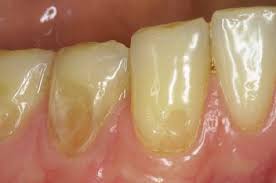
Acidic foods and drinks in the diet are associated with erosion of tooth enamel, but some people get more tooth damage than others. A study published in the British Dental Journal in March 2018 looked at what habits you should avoid to save your teeth…

First, it helps to understand that acid in foods softens tooth enamel, while alkaline saliva and “buffering” foods (containing calcium, phosphorous or fluoride) neutralize the acids and protect tooth surfaces. We all know that sugar is bad for our teeth, but did you know that it causes tooth damage by being broken down into acids by bacteria in the mouth? It is the acid, not the sugar, that causes tooth damage, although experts state that sugar is a greater cause of tooth decay than erosion of enamel.

Saliva is alkaline and therefore neutralizes acids, so consuming acidic foods or drinks at meal times, when more saliva is produced, results in less tooth damage. Holding an acidic drink in the mouth increases contact time with teeth and swishing or swirling a drink creates mechanical forces that further increase enamel loss.

Researchers say that when you brush may also make a difference in how much erosion of tooth enamel occurs. Brushing after acid has softened enamel may result in more erosion. In fact, some researchers have suggested that brushing before eating sweets to remove as much bacteria as possible could mean less acid will be produced, and therefore less tooth damage.

The Erosive Tooth Wear Foundation states that tooth erosion has increased in the past 25 years. Up to 30% of adults have signs of tooth wear. Dietary habits, medical conditions, chemical and mechanical factors combine to increase risk.

What are some of the risk factors?

  • Increased abrasion – While regular brushing does not increase enamel loss, using a very stiff brush, or a highly abrasive tooth polish regularly may cause problems. Holding items, like pins or nails, in the teeth or grinding the teeth regularly can also wear away the enamel in those areas.

  • Age – All adults will have increasing signs of wear as they age, due to chewing or speech patterns.

  • Dietary habits – How much and how often you eat acidic foods and drinks, especially between meals has an effect. Remember that swishing, sipping slowly and holding acidic drinks in the mouth dramatically increases the chance of damage due to increased contact time. Adding a buffering, calcium -containing food or consuming at meal time when more acid-neutralizing saliva is produced will lessen the chance of problems. So, add milk to your fruit tea, mix yogurt with your fruit or eat cheese with your wine!

  • Medication – Thick, syrupy medications tend to adhere to the teeth, greatly increasing contact time between the sugar they contain and tooth surfaces. This can be a problem if they are taken frequently between meals. Brushing before taking the medication to remove plaque and bacteria may reduce the amount of acid produced by the sugar. Rinsing the mouth or eating immediately afterward would reduce contact time of the syrup with the teeth.

  • Medical conditions such as gastroesophageal reflux disease (“GERD”) or bulimia nervosa (habitual induced vomiting to lose weight) – Stomach fluid contains hydrochloric acid, a very erosive acid, and digestive enzymes…both are very damaging to the teeth, removing minerals that harden the enamel and the collagen that supports the minerals.

  • Fluoride – Fluoride, as a mouthwash or in toothpaste, hardens tooth enamel and makes it more resistant to erosion.

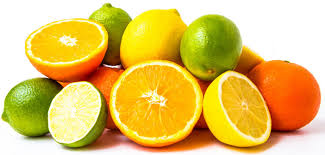
So, help to save your smile by reducing the effect of acid on the surfaces of your teeth. Avoid tooth erosion caused by acid contact between meals: add some milk to your fruit tea, avoid soft drinks (essentially all are high in acids), drink acidic liquids through a straw to reduce tooth contact and remember that bacteria turn sugar into acids. Balance your acid intake… for example, if you plan to have wine in the evening, choose a non-acidic snack in the afternoon. Alcohol, fruit teas, sodas, sports drinks and flavoured water are all acidic drinks. Water, regular tea, coffee and milk are not. Adding lemon to water or tea makes it acidic too. Most fruits and fruit juices are acidic, with bananas and peaches being less so, and don’t forget about tomatoes, pickles and vinegars which are also acidic. Hot foods and drinks are reported to cause more erosion than cool ones.

Ask your dentist or dental hygienist to show you areas where mechanical erosion has begun so you can change your chewing pattern or other habits that are wearing away enamel. Notice whether you sip drinks slowly or swirl them before swallowing, increasing contact time with teeth.

References:

Nature.com – British Dental Journal study

Erosive Tooth Wear Foundation

Categories
Health

Heel pain – is it curable?

While heel pain can be caused by a problem in the heel, often the pain has nothing to do with the foot… if special shoes, heel cups and anti-inflammatory medications aren’t helping, read on!

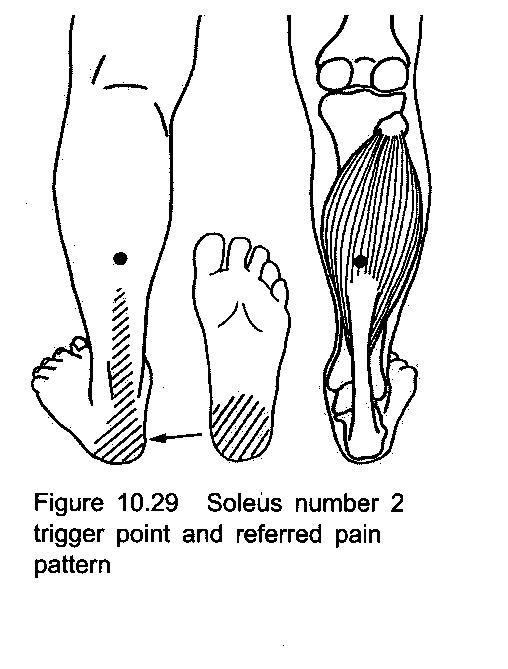
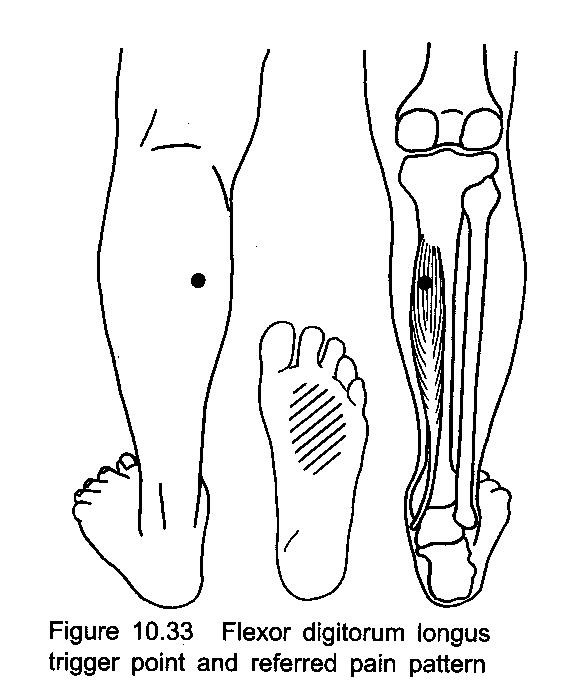
In the diagram below, stripes show where pain is felt and the dot is where the problem originates.

How I learned about it…

Years ago, I was diagnosed with plantar fasciitis (inflammation of the fascia covering the bottom of the foot). I bought new expensive shoes, bought heel cushions, took Advil and rubbed anti-inflammatory cream on the bottom of my feet. It seemed to help but the problem never went away.

Then my brother-in-law, also a pharmacist, told me sometimes heel pain can be caused by a muscle spasm in the calf. Really? Hard to believe, but I was ready to try anything… walking was so painful. Instead of rubbing anti-inflammatory cream on the soles of my feet, I rubbed it on my calf muscles. I massaged my calves and stretched the back of my legs. And, wow, it worked! Whenever I felt any pain in my heels, I stretched my calf muscles and it disappeared right away.

Later I read how a muscle spasm or damage can “refer” pain to a different area of the body, making you think your problem is somewhere else. All your careful treatment of the painful area gives little relief because the source of the pain is elsewhere. A heart attack is a classic example of this – damage to the muscle of the heart (caused by lack of oxygen when a clot blocks its blood supply) is often felt in the jaw or left arm instead of in the chest where the problem really is.

The pain from a particular muscle tends to form a consistent pattern. Doctors Travell and Simons mapped out these pain patterns in the 1950’s and their work formed the basis of massage therapy. Unfortunately, most health professionals do not learn about muscle pain and its quirks. This means muscle pain is frequently misdiagnosed.

Fast forward to this year…

Now I have an odd pain near the toe joints of one foot. Some days it’s so bad I can hardly walk but it gets better once I walk (limp!) around a bit, and if I wear soft padded shoes. My doctor diagnosed it as arthritis, but that doesn’t seem to fit (or maybe I’m just too stubborn to accept a diagnosis that has no cure and no treatment other than pain medication). She suggested I consider custom orthotics and physiotherapy…

My physiotherapist figured out that my beautiful (and expensive) sandals were the problem – and I walked over 150km in them while in Spain. One sandal tilts slightly to one side causing me to do strange things with my foot (picture hanging on with your toes while your foot is slipping to one side…). I immediately threw them in the garbage and faithfully did the exercises she gave me. My foot was better but it didn’t clear up completely.

It took me a while, but eventually I realized there could be a similarity to the heel pain I had years ago. I dug out my trusty manual that is based on Travell and Simons and flipped to the section on feet… and there it was! A muscle spasm in the “flexor digitorum longus”, a muscle in the back of the calf. When I press on the area it is very tender, but I feel no pain in my calf at all when I walk. The pain all “referred” to my foot… The dot in the diagram is called a “trigger point” – an area where a muscle spasm is focused, and it’s the best place to treat a spasm. Often a muscle will relax if the trigger point is pressed and massaged.

This calf spasm was very likely a second way my body was trying to compensate for a tilted shoe. My physiotherapist once told me that there is rarely only one trigger point… the body eventually creates several spasms as it tries to adjust to a weak or injured area.

So, now I’m stretching my calf and rubbing my anti-inflammatory/muscle spasm cream on my “flexor digitorum longus” muscle that is causing so much pain. It will take a while to work out the “trigger point” knot deep in the muscle, but my foot is starting to feel much better already.

Custom orthotics?

As for custom orthotics (insoles), a new study published in the British Journal of Sports Medicine this week says expensive custom ones are no better than “off-the-shelf” insoles for plantar fasciitis foot pain. After my experience, I can’t help wondering if any insoles really help–especially when the problem originates in the calf muscles–but they feel nice when you have them in your shoes…

If you have stubborn foot pain that won’t go away, no matter what you try, see a physiotherapist or massage therapist that follows the work of Travell and Simons. Muscle pain is tricky and often disguises itself as “joint pain” or “arthritis”. Knowing where your pain originates and treating the source can make all the difference in finding a cure. Too often we treat the symptoms and not the cause in our medical system.

By the way, my favourite book on all this is The Trigger Point Therapy Workbook by Clair Davies. It explains trigger points, where their pain is referred, and how to treat them. It’s designed as a self-treatment guide you can use yourself. I added links to sources of the book in the references, if you’re interested.

References:

The Trigger Point Therapy Workbook – Amazon Canada ; Amazon US ; or AbeBooks

CTV News – article on custom orthotics study

==================

If you enjoy my blog and find the information useful (or at least interesting!) please join my mail list! And if you know anyone who might also be interested, please share it with them. You’ll be helping my writing career at the same time… Thanks!

Categories
Environment Health

Plastic? Think twice…

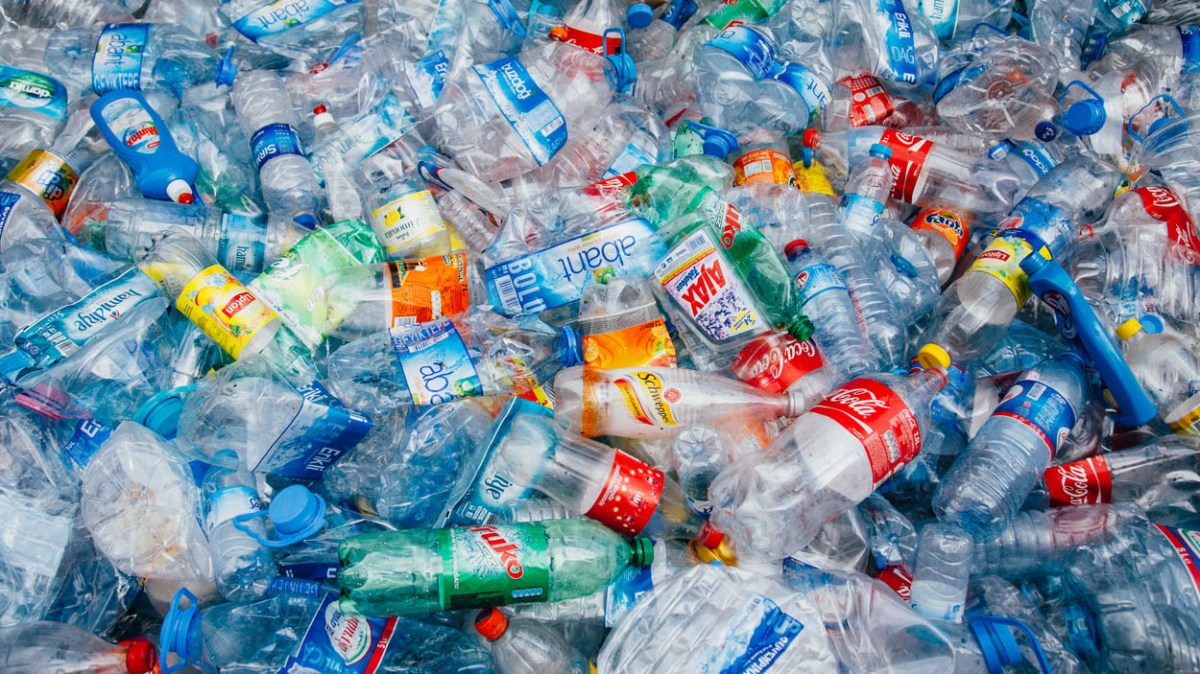
Plastic doesn’t decay…it breaks into smaller and smaller bits until you can no longer see it. We call these microplastics. And these tiny particles are making their way into our drinking water—and our bodies. They can take hundreds of years to decompose, if they do… Plastics have only been around for 50 years, so that’s just an estimate. The bigger problem is that they are not inert…plastics contain substances that can compete and interfere with our hormones.

You don’t have to ingest the actual plastic for it to affect your health either. Substances, sometimes called “plasticers” that keep the plastic soft and flexible can be transferred into your food when you cook, store or serve food in plastic. These fat-soluble chemicals can mix with oily or fatty foods and your body can store them in fatty areas. Hot food, fat or oils, and damage to the surface of the plastic makes it easier for chemicals to transfer into food. Softer plastics are thought to transfer their chemicals more readily.

Plastic in our food

Sometimes you can even taste the plastic…coffee in a Styrofoam cup, a dairy that always sold their chocolate milk in glass bottles because they noticed plastic ones affected the taste. I even noticed water, served in a scratched plastic pitcher at a conference, tasted strongly—unpleasantly—of plastic. I didn’t drink it.

We’ve all put tomato sauce into a plastic container and noticed the orange colour became imbedded into the walls of the container. Plastic takes up oily substances, just as its chemicals pass into fatty foods. Questions have been raised about other substances plastics in the environment could be absorbing and transporting. The United Nations Food and Agriculture Organization is concerned that some plastic particles may be small enough to pass into our bloodstream and collect in our organs where chemicals they contain can gradually leach into our system.

Plastic can affect our hormones

Some of these chemicals are “hormone disruptors”…chemicals that interfere with how your hormones act in your body. And some, like bisphenol A (BPA) have been linked to hormone-related cancers and possible effects on unborn babies because of their hormone-like activity. More study is needed on the health effects of plastics.

Results of a new study conducted by Orb Media, a partner of CBC News, found microplastics in 93% of 11 brands of bottled water they tested from 9 different countries. They were only able to identify particles 100 microns (0.1mm) or larger. It seems likely that there were more smaller particles they were unable to detect.

They defined microplastics as pieces of plastic 5mm or smaller. They are created when plastic waste disintegrates and were also manufactured for use in exfoliant skin care products. The European Food Safety Authority has suggested that most swallowed microplastics are excreted by the body, but researchers have found microplastic beads from skin care products in stomachs of fish in the Grand Lakes. This has lead to banning of these beads in commercial products.

Plastic “islands”

Plastic waste continues to build in coastal waters. Researchers estimate that by 2050 there will be more plastics in the oceans than fish. Ocean currents cause them to collect in some areas, creating plastic “islands”. They block the sun’s rays from entering the water and trap sea life.

It’s easy to think we can’t be ingesting enough plastic to harm us. But we humans are at the top of the “food chain”—everything our food sources take up we consume and concentrate. We need to pay attention to what we put into the environment…and to what we are essentially “feeding” our food!

You can help…

This weekend, go buy yourself a water bottle made of glass, metal or ceramic and stop buying bottled water. If your tap water at home has an unpleasant taste, get a water filter. It’s a simple thing you can do to save the environment, save money, and save your health at the same time.

References:

Exposure to Chemicals in Plastic – Breast Cancer.org http://www.breastcancer.org/risk/factors/plastic

CBC: Microplastics article http://www.cbc.ca/news/technology/bottled-water-microplastics-1.4575045

Categories
Health

Could calcium pills be risky?

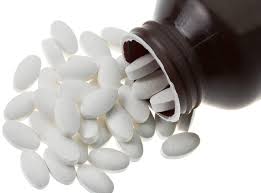
In the past decade, a debate has developed over calcium and vitamin D supplements–should everyone older than 50 take them to prevent osteoporosis (weakened, porous bones)? The amount of calcium in our diet, the quantity of vitamin D we make in response to sunlight, and the amount of exercise we get are important factors in preventing bone loss.

Lots of questions…

Can calcium and Vitamin D supplements take the place of a healthy diet and exercise? Can we get enough of these nutrients without supplements? How much is enough? Can too much be dangerous?

Here’s the controversy:

Several years ago, the US Preventive Services Task force issued a statement saying there was not enough evidence to support a need for calcium supplements in older adults who did not have osteoporosis or vitamin D deficiency.

In December 2017, the Journal of the American Medical Society published an analysis of 33 trials on older adults not living in nursing homes. It found no clear benefit from these supplements.

Another concern with supplements is the large “bolus” of calcium that floods the blood stream after a tablet is taken. Studies suggest that this could increase the risk of heart disease, with some showing up to 30% increased risk in those taking calcium supplements. Recommendations now suggest dividing calcium supplements over the day if they are being taken to avoid a spike in blood calcium. However, the problem is that researchers did not design these studies to look for potential heart problems, so we cannot completely trust these results. We need more research to confirm this.

Vitamin D–more controversy

The official recommended daily amount (or “RDA”) of vitamin D is 400iu per day, but this is the quantity needed to avoid Rickets, a disease of softening of the bones. As discussed in an earlier blog, we now know that we need larger amounts of vitamin D for a healthy immune system. Experts suggest 800 to 1000iu daily for those who are not making their own vitamin D due to lack of sunlight exposure, but researchers are still trying to decide how much is ideal. If you missed that article, click HERE to link to it.

And,a new concern…

This week, a new study published in the journal “Gut” suggests calcium supplements may increase the risk of polyps in the colon after 6 to 10 years of therapy… and polyps are important “precursors” to colon cancer (meaning: polyps are a stage in the development of cancer). Again, researchers said that more research is needed to confirm their results—being the first study to suggest this connection—but are concerned since millions of people take them.

Supplements versus food

One difference between getting calcium from a supplement rather than food, is that most common supplements contain calcium carbonate. Even when taken with food, this form of calcium is only 20% absorbed. The other 80% remains in the bowel where it causes constipation and, perhaps, also polyps.

Calcium in food, on the other hand, can be much more highly absorbed, especially when you have adequate vitamin D. I have read studies that found as little as 300mg of absorbed calcium a day in the diet can keep bone healthy, compared to 1000 to 1200mg recommended in supplement form. The difference, however, is likely due to the low level of calcium absorption from tablets.

A broken bone, like a hip or the spine, can devastate the life of an elderly person. And drugs for osteoporosis are expensive, difficult to take and have serious side effects. The best way to prevent osteoporosis and bone fractures is to exercise at least 3 times a week, don’t smoke, get adequate sunshine (or supplement vitamin D in a northern winter), and eat calcium-rich foods. Examples of these foods are dairy products, vegetables, fish (especially with dissolved bones), mineral water, and even tap water! See the reference “Calcium in food information” below for more details.

If you’re curious about your bone health, you can calculate your risk of a fracture here. (Note: conversion tool on the right to change pounds and inches to kilograms and centimeters)

References:

JAMA article

Gut online

Calcium in food information

++++++++++++++++++++++++++++++++

If you enjoy my articles, please click “Join my mailing list” in the purple box. As an aspiring writer, it is important to build a mail list to attract a publisher when my book is (finally!) finished. I promise not to share your contact information, and I only email a link to my new blog once weekly at most!

+++++++++++++++++++++++++++++++++

Categories
Health

Forget about the calories…

Which is better… a healthy low-fat diet or a healthy low-carb one? A new study published in the Journal of the American Medical Society (JAMA) this month asked this question. The answer was: no difference. But participants all lost weight without restricting calories. How did this happen?

The DIETFITS study (the Diet Intervention Examining the Factors Interacting with Treatment Success) studied 609 overweight adults aged 18 to 50 for one year. Participants attended classes with dietitians every 2 weeks to learn healthy eating habits, with half learning ways to achieve a lower fat content in their diet and the other half learning to lower their dietary carbohydrates. All participants were encouraged to focus on eating plenty of vegetables and whole foods, to eat at home whenever possible, and to avoid processed foods and added sugar. They were encouraged to follow accepted physical activity guidelines, but most did not increase their exercise. They were not instructed to count calories or record what they ate and were encouraged to eat until they were satisfied.

The result?

The result was: both groups lost significant weight. Their success in reaching a healthier weight was not influenced by their genetics or insulin-response to carbohydrates, contrasting with other theories that suggest a person’s diet should be recommended based on their DNA or ability to metabolize fat or carbs.

Some people lost as much as 50 to 60 pounds, and reported they had “changed their relationship with food”. The average weight loss was 5.3 kg (11.7 lb) for the low-fat group and 6.0 kg (13.2 lb) for the low-carb group. Both groups noted other improvements in health factors, such as reduced waist size, body fat, blood sugar and blood pressure.

And the conslusion from this?

Researchers concluded that it is the quality, not the quantity, of the diet that helps people manage their weight in the long run. A key factor is learning to avoid adding sugar and eliminating processed foods that often have sugar and other additives hidden in them – relying instead on more plant foods to satisfy the appetite. Sounds very much like Michael Pollan’s Food Rules that I’ve discussed before:

  • Eat real food (not processed),

  • Mostly plants, and

  • Not too much!

It’s good to see that different researchers are coming to the same simple conclusion about what makes a diet healthy, after so many years of practically needing to be a chemist to understand the various chemicals and components of our food that we were supposed to include or eliminate. A good, healthy diet should be easy to follow… and eating a diet that is focused on plants and whole foods, with just enough to satisfy your hunger, is about as simple as it can get, I would say!

The photo above is my homemade seafood pizza – no additives, made from scratch! Nothing processed, no added sugar, and a few veggies added for balance. After years of counting calories and carbohydrates, scrutinizing food’s fat content for “good” omega fats or “bad” saturated fats, or checking the “glycemic index” measurement (how quickly the carbohydrates were converted to sugar) of various foods, I find it refreshing to finally have a simplified way to achieve a healthy diet. If you think so too, feel free to share with someone else who wants to simplify their life!

References:

https://jamanetwork.com/journals/jama/article-abstract/2673150?redirect=true

https://www.irishtimes.com/life-and-style/health-family/want-to-lose-weight-new-study-says-reducing-calories-not-the-answer-1.3400119

Categories
Health

Stomach meds and your immune system…

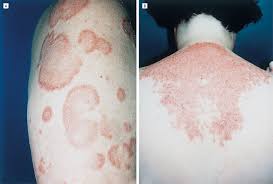
A new report in our Canadian pharmacy journal, Pharmacy Practice Plus, describes a Health Canada review of the association between stomach medications known as Proton Pump Inhibitors or PPIs (Losec, Prevacid, Nexium and others) and a type of autoimmune disease, SCLE (Subacute Cutaneous Lupus Erythematosis). Health Canada determined that there was enough evidence of an association between the drugs and this disease that product safety information should be updated to warn consumers.

SCLE is a rare disease, but since PPI drugs are available without prescription and are taken regularly by so many people, Health Canada wants to raise awareness of this potential safety issue. Of 18 international reports of patients with SCLE taking one of several different PPI stomach medications, 16 recovered when the drug was stopped, and at least one developed the disease again when the drug was restarted.

Autoimmune disorders have increased worldwide in Westernized societies over the past 30 years. Currently it is estimated that approximately 2 million Canadians and up to 23.5 million Americans suffer from autoimmune diseases, such as Lupus, Type 1 diabetes, inflammatory bowel diseases, MS, Rheumatoid Arthritis, Hashimoto’s Thyroiditis and others… all are caused by an immune system not working properly. Although long-term studies are scarce, in US immune disorders were documented to have risen from 3% in the 1960s to 9% in 2009.

Given that bacteria in the gut are now known to influence the immune system, and that PPI acid-blocking medications can cause a change in gut bacteria, it should not be a surprise that there is an association between their use and an autoimmune disease. Perhaps researchers should be looking at whether there might be an association between PPIs and other diseases caused by immune system dysfunction.

If you have an autoimmune disease and are taking regular stomach medications, talk to your doctor about this possible association and whether you should consider stopping this medication.

Here is a link to a blog I wrote earlier about the problems that can be caused by long term use of PPI stomach medications: Do-you-take-daily-stomach-medicine

And the Health Canada report is here: Health Canada if you are interested in reading the summary.

Categories
Health

Kidney stones… “childbirth” for men

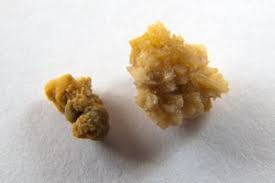
They say passing a kidney stone can be as painful as giving birth. After watching my husband suffer with unrelenting pain from a stone for a week, followed by intermittent pain for another 10 days as his swollen kidney healed, I think I’d agree. It might even be worse than labour — renal colic, the pain from a swollen kidney when a stone blocks urine flow, is constant and can last for days. And the “reward” you get after all that? A tiny piece of rough, spiky stone!

How common are kidney stones?

Kidney stones are becoming more common, according to a recent study published in the journal “Mayo Clinic Proceedings”. Part of the increase is because new imaging techniques, like ultrasound and CT scans, allow us to see small stones that cause few symptoms and would otherwise have been missed. But, compared to 30 years ago, twice as many are reported in men and four times more in women, with significant increases in younger women, suggesting something else is happening as well. About 10% of people will experience one at some time in their lives.

Where do they come from?

The stones are made of material that has precipitated out in the kidney, ureters (the tubes that urine flows in from the kidney to the bladder), or the bladder, creating a rough, irregular shaped crystal. Normally, this material – calcium, phosphate, oxalates, and less commonly, struvite or uric acid – stays dissolved in the urine. Struvite stones are often associated with infections of the urinary system, while uric acid stones are linked to gout and high protein diets, but these types occur less often.

How can you avoid them?

Most stones, about 75%, are made of calcium oxalate. We’re all aware of dairy products as a rich source of calcium, and oxalate is also in many foods, including beets, rhubarb, chocolate, tea and nuts. Reducing your intake of calcium and oxalate is one strategy to reduce your risk of the most common type of kidney stone.

But the other strategy is to reduce the risk of these minerals precipitating out in the kidney by drinking lots of water to keep them dissolved. The Mayo Clinic advises drinking 2 to 3 liters (quarts) of water and reducing salt intake to stay well hydrated and create plenty of urine to “flush” the urine system regularly throughout the day.

Treatments?

If you are unfortunate enough to develop a kidney stone, you will be advised to drink lots of water to help push the stone through more quickly. Strong pain medications, usually narcotics, are given to ease the pain and sometimes anti-nausea medications are needed as well. Be prepared to sleep a lot as both these types of medicines cause drowsiness.

If the stone is large, 5mm (0.2 inch) or greater, you doctor may use ultrasound to break it up, allowing it to pass more easily. They may also give you an extra medication, called Flomax (Tamsulosin) to help relax the tubes of the urinary system to allow the stone to pass more easily. If it’s very large, they may need to make a small incision in your back to surgically remove it.

My husband’s 4mm stone took a week to pass and he lost about 20 pounds in the process, being unable to eat due to the associated nausea. You may have been wondering why I was less regular in posting my blog lately! Although I haven’t read warnings about it, he found that even more than a week later, alcohol or coffee seemed to irritate his still-swollen kidney, resulting in significant pain the following day. We thought there must be another stone until he noticed the association and quit both, just in case…

Beyond diet and hydration, genetics may also play a role in whether you are likely to develop a kidney stone. If a close relative has been affected, you may have a greater chance of having one too. The best advice seems to be to consume more water as part of your regular daily routine.

However, be aware that many foods also contain water, and all of it counts. Some foods that are 90 to 95% water include: cucumbers, iceberg lettuce, celery, radishes, tomatoes, green peppers, cauliflower, watermelon, spinach, star fruit, strawberries, broccoli, grapefruit, baby carrots and cantaloupe.

I think we’ll start eating more salads… how about you?

Reference:

CNN News http://www.cnn.com/2018/02/13/health/kidney-stones-study/index.html

Mayo Clinic Proceedings http://www.mayoclinicproceedings.org/article/S0025-6196(17)30844-3/fulltext

Categories
Health

Herbals and Prescriptions…

How safe are they?

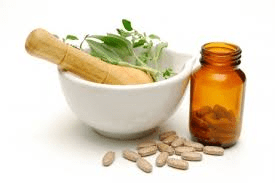
Many people think that herbal medications, being natural, are completely safe to take. But this isn’t always true. Herbal medications are really medicines, but just still in their natural plant form.

A new study, published in January 2018 in the British Journal of Clinical Pharmacology, analyzed severe reactions between herbs and drugs that were written up in journals as clinical studies or case reports. They looked at which drugs and diseases were most commonly involved, and how severe the reactions were.

They found interactions of varying types. Herbs could either increase the rate at which regular medications were removed from the body resulting in too little medication, or they could slow down the clearance, leaving too much of the medication left in the person’s system. This could result in patients responding poorly to their prescription medication, or developing toxic reactions to their regular treatments. Either scenario could result in hospitalization for the patient, especially with certain medications.

Most common problems…

The most common serious interactions occurred in people who had heart disease, cancer and kidney transplants. The most common prescription medications affected were: the blood thinner warfarin, “alkylating” chemotherapy drugs, and the anti-rejection drug cyclosporin. For each of these drugs, there is a very narrow “treatment window” – getting just a little too much or too little of the drug they need could cause serious problems with their condition.

Many herbal medicines “thin” the blood (i.e. make it less likely for a clot to form) so can add to the effect of warfarin as well as other anticoagulant or “blood thinner” drugs. Too much thinning of the blood can mean a little bump could cause extensive bleeding under the skin, seen as bruising. Worse, the bleeding can sometimes happen inside the body, usually in the digestive system, where it can’t easily be seen, leading to significant blood loss. One sign that shows a person is losing blood in the digestive system is a black, “tarry” stool – by the time blood reaches the end of the digestive system, it has turned from red to a sticky black, and looks much like tar.

Warfarin works by blocking the production of substances made from vitamin K that the body uses to make a blood clot. Many plants contain vitamin K, including herbal medicines. Increasing the amount of vitamin K in the diet, whether as a green leafy food or a herbal medicine, can help the body make more vitamin K clotting agents – more for the warfarin to block – requiring a higher dose of warfarin to prevent clots. In other words, more vitamin K can suddenly mean the blood will be able to clot more easily, increasing the risk of a blood clot, the underlying cause of heart attacks and most strokes.

Both chemotherapy drugs and cyclosporin need to be given in exact amounts to work properly. Too little and they don’t work as well…too much and they become toxic. So even a small change in how quickly they are cleared from the body can result in too much or too little in the system. Any person taking these medications should check a reputable source of information before taking a herbal medicine – ideally their doctor or pharmacist.

Ask your pharmacist…

Pharmacists receive education in both herbal and standard medications as part of their training. They have access to information on diseases, drugs, herbals, and interactions between these. If you take any prescription medications and are considering starting a herbal medicine, check with your pharmacist first. However, you should realize that a thorough information search requires time. If possible, leave the question with your pharmacist and drop back later to allow time for a proper search.

As well, herbals can interact with a medical condition you have. For example, blood sugar levels can be affected by some herbal medicines and this can be significant if you have diabetes. So, be sure to ask about possible interactions with both medications you take and any medical conditions you have.

Keep a list…

It is recommended to keep a list of all your medications for emergency use. But, as you can see, it is equally important to include all supplements you take on your list. Many pharmacies now provide a printed list that is automatically updated each time you fill a prescription. If you take a herbal medicine or nutritional supplement regularly, ask your pharmacist to add these to your profile so their information – and your list – will be complete. And, having complete information in their computer system, means the computer will bring possible interactions to the pharmacist’s attention every time they fill a prescription. Lastly, share your list with all health professionals who give you treatment… it just might prevent an avoidable interaction!

Reference:

British Journal of Clinical Pharmacology

Categories
Health

Is your body dying for vitamin D?

Vitamin D is widely recommended to be taken along with calcium to prevent or treat osteoporosis. But we are learning that vitamin D has other important actions in the body, that involve cancer, pain and your immune system…

Vitamin D was discovered in the 1930’s when researchers were looking for the cause of Ricketts (also called “childhood osteomalacia”). They realized that this substance is needed to absorb calcium, as well as magnesium and phosphorus from the intestine. When children do not get enough vitamin D, they don’t absorb enough calcium, magnesium and phosphorus to make healthy bone. The result is softened, fragile bones that break more easily or can even bend.

Osteomalacia, which adults can develop too, commonly starts with low back pain that spreads to arms, ribs and, eventually, legs. The pain is symmetrical and accompanied by sensitivity of the bones themselves, muscle weakness and fatigue. People with osteomalacia tend to walk with a “waddling” gait, and have problems with stairs and getting up from a squatting position.

The sunshine vitamin

You may already know that vitamin D is called the “sunshine vitamin” because you make it from cholesterol when the sun shines on your skin. Actually, the substances created in the skin, vitamins D2 and D3, have to go through several changes in the liver and kidneys to be turned into the active form of vitamin D, calcitriol, that our bodies are able to use. An intermediate stage, called 25-hydroxy vitamin D (or 25-OH D) is what is measured in the blood to determine what your vitamin D level is.

Importantly, if you have chronic kidney disease you may not be able to activate the vitamins D2 and D3 produced by your skin and that are available as common supplements. This would require you to take the activated form of vitamin D, calcitriol, that is available only by prescription (and, unfortunately, is quite expensive compared to D3…).

A vitamin or a hormone?

Vitamin D is really misnamed. It’s not a true vitamin… in many ways, it’s more like a hormone! Vitamins are “vital amines”, chemicals that humans cannot make and therefore need to consume in our food. Hormones, on the contrary, are substances produced in the body that travel through the blood to act at a different body location. Of course, we can get some vitamin D from a few foods:

  • fatty fish, such as tuna, mackerel or salmon

  • egg yolks

  • beef liver

  • cheese

  • food to which it has been added (some dairy products, juices and cereals…check labels!)

  • supplements found in a drug store or grocery

but most is made in our bodies when we exposure our skin to sunshine.

Vitamin D deficiency is reported to have increased in the past decade. Could it be partly due to the current emphasis on the dangers of sun exposure and increased regular use of sun screens? That certainly could be a contributing factor. However, also at risk are house-bound elderly and chronically ill people who spend little time outdoors, as well as women who wear traditional veils and clothing that blocks sunshine from falling on bare skin.

But the underlying problem for those of us who live in the north, is that the sun is not strong enough between October and April to stimulate the conversion of cholesterol to vitamin D in the skin. Although vitamin D is fat soluble and can be stored in the body for use later, we are advised to take vitamin D supplements during the winter (unless you take regular winter vacations in the south, of course!).

Not supplements are created equal…

When shopping for a supplement, be sure to check the label of the vitamin D you buy: Studies have shown than vitamin D3 raises blood levels of the vitamin twice as much as the D2 form. Fortunately, most supplements available now are vitamin D3, but you want to be sure not to waste your money on the less effective version.

The official recommended daily intake of vitamin D is 400iu, but newer studies suggest that this needs to be revised. Most doctors and nutritionists (and pharmacists too!) now advise at least 1000iu daily, with more being recommended if a blood test has determined that you have a deficiency.

Vitamin D and cancer, immune system, pain, diabetes

The other thing you should know about vitamin D, is that it does more than just help you absorb minerals and prevent bone problems… It is also needed for a healthy immune system. Immune system cells have receptors where vitamin D attaches, indication it acts on these cells. Vitamin D deficiency is associated with an increased risk of autoimmune diseases (like MS in those who are genetically susceptible), and increased risk of some cancers (like colorectal, breast and bladder).

In mice studies of vitamin D and breast cancer, vitamin D blocked growth and spread of cancer cells. Although they state that more research is needed, some researchers believe taking supplements to avoid vitamin D deficiency might be a safe, cost-effective way of preventing cancer and improving outcomes in those who have been diagnosed with it.

Studies in newborns even suggest that the mother’s vitamin D status can have lasting effects on the child after birth. Babies born to mothers who received daily amounts of vitamin D supplements to significantly raise their blood level (in this case, 4400iu daily) had healthier immune systems at birth and lower rates of asthma, allergies and respiratory infections as toddlers and young children.

Perception of chronic pain may also be influenced by vitamin D. One study found that chronic pain patients taking narcotics for their pain needed only half as much if they had adequate vitamin D levels.

As well, Type 2 diabetes (T2D) may be affected by low vitamin D levels, studies suggest. People diagnosed with T2D tended to have lower vitamin D levels. Supplementing vitamin D was also found to help control blood sugar levels and reduce symptoms of diabetes in some studies, but more research is needed to confirm this.

So, this amazing hormone-vitamin has many actions in various body systems. Research is ongong, so stay tuned for new benefits in health news in the future. And think seriously about what your intake and production of vitamin D could be, and whether you should consider taking an inexpensive supplement.

How much vitamin D do you need?

How much vitamin D you need is controversial and how much you make in response to sun exposure is highly variable. It is estimated that, under ideal conditions, you can produce 10,000 to 20,000iu of vitamin D3 in just 30 minutes in the sun. Five to 30 minutes of sun exposure, 2 to 3 times a week ideally could enable you to produce all the vitamin D you need.

However, many factors can affect vitamin D production in skin:

  • Skin pigmentation absorbs the UVB rays needed to create vitamin D. Darker-skinned people would need longer exposure than fair-skinned.

  • Fat cells absorb vitamin D (because it’s a fat-soluble vitamin). A person who is significantly higher than their recommended weight could have as much as 50% less vitamin D in their blood after the same sun exposure as a person of normal weight.

  • Older people are less able to convert cholesterol into vitamin D3. A 70-year-old person generally makes about 75% less than a 20-year-old.

  • Those who live in the north (north of Washington DC) where the sun is not as strong in winter, do not get enough sun for part of the year. That’s all of us in Canada! It is estimated that a UV index greater than 3 is needed to provide enough UVB rays to make vitamin D. Cloud or smog can reduce UV rays reaching the earth by 50%.

  • Using SPF 8 or greater sunscreen blocks our skin’s ability to produce vitamin D. Delaying application for an appropriate length of time for your skin type and the time of year would be a sensible strategy to get adequate vitamin D while protecting skin.

Even the ideal blood level of vitamin D is controversial. Some authorities state that 12.5mg/ml of 25-OH D is enough to prevent bone problems. But others say this is not enough for a healthy immune system and other effects, stating that more than 20 or even 30ng/ml is ideal. A few, citing questionable accuracy of blood tests and safety of higher levels, advise maintaining as much as 40 to 60ng/ml of vitamin D to be sure of optimal effects.

After researching this article, I’ve decided to take 2000iu daily during the winter. In summer, being retired, I am able to spend lots of time outdoors in the sun, so I plan to stop for the summer when I am unlikely to need an extra supplement.

What about you? Do you need a little extra vitamin D to make sure your health is optimum? Post a comment in Facebook or send me a note by email. I’d love to hear whether this information made a difference for you…

References and further reading :

WebMD; Chronic Pain: Does vitamin D help?

Journal of Endocrinology; The interfaces between vitamin D, Sleep and pain

The Journal of Allergy and Clinical Immunology; Vitamin D supplementation during pregnancy: Effect on the neonatal immune system in a randomized controlled trial

Medical News Today; Vitamin D May Increase Survival for Breast Cancer Patients

Journal of Investigative Medicine; Vitamin D and the Immune System