

Diet studies are difficult to do properly. It is simply too difficult to control the many factors that influence our health while comparing different diets. Most diet studies, therefore, are poor quality and based on weak evidence. Even the ideal type of study, known as a randomized controlled trial (RCT), isn’t perfect as people can’t live in a bubble for the entire study time.
And animal studies, where it is easier to control all factors, don’t necessarily apply to humans. A famous one, where rabbits were fed high amounts of foods containing cholesterol and subsequently developed heart disease, didn’t take into account that rabbits never naturally eat cholesterol-containing foods and probably can’t digest them – they live on salad! Human studies have found that it’s not possible to lower blood cholesterol significantly by reducing cholesterol intake because the liver makes cholesterol when it is lacking in the diet. However, we continue to see “low cholesterol” foods promoted as being good for our heart health. Here is a referenced article about this. Essentially, all conclusions from dietary studies need to be “taken with a grain of salt”.
But a new study “McMaster university – New guidelines: No need to reduce red or processed meat consumption for good health” bases its conclusion on the lack of good evidence for us to change. This research was conducted by 14 researchers in seven different countries. They state: “Evidence of harm from moderate consumption of red or processed meat is poor and health benefits, if any, would be small.” The study also considered the desirability and enjoyment of a juicy steak and the “hardship” vs. benefits of a rather drastic change in diet. (Note that it excludes any ethical or to environmental concerns, focusing only on evidence that people need to change their meat consumption to be healthier.)
More than anything else, to me this study points out the trend to make dramatic announcements for radical diet changes based on poor quality information. This study doesn’t suggest red or processed meats are healthy or that people should eat more of them, but researchers don’t discount the possibility that there are millions of people who eat a lot of meat and who are in good health.
That being said, another article published in the journal, The Lancet, suggests that the “healthiness” of cutting out the red meat depends on what it is replaced with. Reducing meat consumption, according to this study, is only likely to benefit health if the meat is replaced with plant-based foods. Replacing it with “white foods” (white rice, white bread, potatoes and sugar) doesn’t result in improvement to health, according to this study.
An article in Healthline seems to sum it all up quite well. It suggests that red meat doesn’t affect health significantly but that processed meats, depending on the additives used and cooking processes, might change the health effects of eating meat. But, like all diet studies, the evidence isn’t strong. Here is the link if you’d like to read it.
Of course, these studies address only the effects of meat on human health. The environmental impact of raising animals and the ethical issue of using animals as a food source are issues that also should be considered in a complete discussion.
What I found so interesting in these studies, was that the evidence that red and processed meats harm our health is very weak and the benefits of such a dramatic diet change are small. The researchers found there is simply not strong enough evidence to insist that all humans need to make this radical diet change.
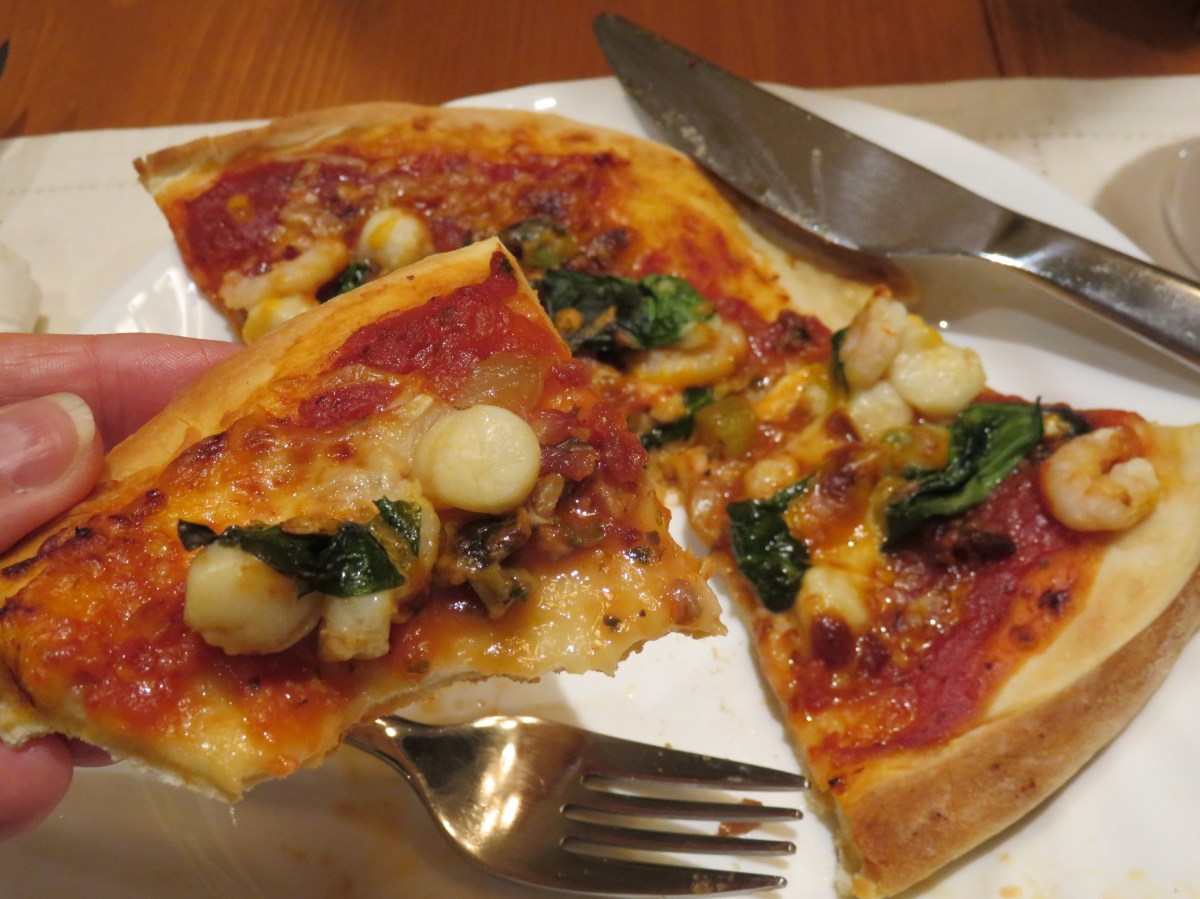
For myself, I enjoy eating meat but find these days that a small amount is enough. The photo above was part of a 7-course meal in a fancy restaurant, and was a small but very delicious and satisfying serving. We also enjoy seafood of all kinds in our house and the occasional vegetarian meal too – especially homemade pasta sauce with lots of veggies added. Mostly we are trying to increase our consumption of fruits and vegetables these days to improve our diet. Sweets and desserts have become the exception (not the rule!), too, to lower our sugar intake.
I still like Michael Pollan’s Food Rules the best: Eat real food (not processed), mostly plants, and not too much. Everything in moderation makes sense unless you have good reason to change.
So, have you many any changes to your diet recently? Did it help you to feel better or improve a chronic problem? I’d love to hear about it…
References:
This diet is better for the planet, but is it better for you too? – NPR
Health and Nutritional Aspects of Sustainable Diet Strategies – The Lancet
Why Dietary Cholesterol Does Not Matter for Most People – Healthline
 Jeannie Beaudin, Artist and Author