Categories
Health

Is your body dying for vitamin D?

Vitamin D is widely recommended to be taken along with calcium to prevent or treat osteoporosis. But we are learning that vitamin D has other important actions in the body, that involve cancer, pain and your immune system…

Vitamin D was discovered in the 1930’s when researchers were looking for the cause of Ricketts (also called “childhood osteomalacia”). They realized that this substance is needed to absorb calcium, as well as magnesium and phosphorus from the intestine. When children do not get enough vitamin D, they don’t absorb enough calcium, magnesium and phosphorus to make healthy bone. The result is softened, fragile bones that break more easily or can even bend.

Osteomalacia, which adults can develop too, commonly starts with low back pain that spreads to arms, ribs and, eventually, legs. The pain is symmetrical and accompanied by sensitivity of the bones themselves, muscle weakness and fatigue. People with osteomalacia tend to walk with a “waddling” gait, and have problems with stairs and getting up from a squatting position.

The sunshine vitamin

You may already know that vitamin D is called the “sunshine vitamin” because you make it from cholesterol when the sun shines on your skin. Actually, the substances created in the skin, vitamins D2 and D3, have to go through several changes in the liver and kidneys to be turned into the active form of vitamin D, calcitriol, that our bodies are able to use. An intermediate stage, called 25-hydroxy vitamin D (or 25-OH D) is what is measured in the blood to determine what your vitamin D level is.

Importantly, if you have chronic kidney disease you may not be able to activate the vitamins D2 and D3 produced by your skin and that are available as common supplements. This would require you to take the activated form of vitamin D, calcitriol, that is available only by prescription (and, unfortunately, is quite expensive compared to D3…).

A vitamin or a hormone?

Vitamin D is really misnamed. It’s not a true vitamin… in many ways, it’s more like a hormone! Vitamins are “vital amines”, chemicals that humans cannot make and therefore need to consume in our food. Hormones, on the contrary, are substances produced in the body that travel through the blood to act at a different body location. Of course, we can get some vitamin D from a few foods:

  • fatty fish, such as tuna, mackerel or salmon

  • egg yolks

  • beef liver

  • cheese

  • food to which it has been added (some dairy products, juices and cereals…check labels!)

  • supplements found in a drug store or grocery

but most is made in our bodies when we exposure our skin to sunshine.

Vitamin D deficiency is reported to have increased in the past decade. Could it be partly due to the current emphasis on the dangers of sun exposure and increased regular use of sun screens? That certainly could be a contributing factor. However, also at risk are house-bound elderly and chronically ill people who spend little time outdoors, as well as women who wear traditional veils and clothing that blocks sunshine from falling on bare skin.

But the underlying problem for those of us who live in the north, is that the sun is not strong enough between October and April to stimulate the conversion of cholesterol to vitamin D in the skin. Although vitamin D is fat soluble and can be stored in the body for use later, we are advised to take vitamin D supplements during the winter (unless you take regular winter vacations in the south, of course!).

Not supplements are created equal…

When shopping for a supplement, be sure to check the label of the vitamin D you buy: Studies have shown than vitamin D3 raises blood levels of the vitamin twice as much as the D2 form. Fortunately, most supplements available now are vitamin D3, but you want to be sure not to waste your money on the less effective version.

The official recommended daily intake of vitamin D is 400iu, but newer studies suggest that this needs to be revised. Most doctors and nutritionists (and pharmacists too!) now advise at least 1000iu daily, with more being recommended if a blood test has determined that you have a deficiency.

Vitamin D and cancer, immune system, pain, diabetes

The other thing you should know about vitamin D, is that it does more than just help you absorb minerals and prevent bone problems… It is also needed for a healthy immune system. Immune system cells have receptors where vitamin D attaches, indication it acts on these cells. Vitamin D deficiency is associated with an increased risk of autoimmune diseases (like MS in those who are genetically susceptible), and increased risk of some cancers (like colorectal, breast and bladder).

In mice studies of vitamin D and breast cancer, vitamin D blocked growth and spread of cancer cells. Although they state that more research is needed, some researchers believe taking supplements to avoid vitamin D deficiency might be a safe, cost-effective way of preventing cancer and improving outcomes in those who have been diagnosed with it.

Studies in newborns even suggest that the mother’s vitamin D status can have lasting effects on the child after birth. Babies born to mothers who received daily amounts of vitamin D supplements to significantly raise their blood level (in this case, 4400iu daily) had healthier immune systems at birth and lower rates of asthma, allergies and respiratory infections as toddlers and young children.

Perception of chronic pain may also be influenced by vitamin D. One study found that chronic pain patients taking narcotics for their pain needed only half as much if they had adequate vitamin D levels.

As well, Type 2 diabetes (T2D) may be affected by low vitamin D levels, studies suggest. People diagnosed with T2D tended to have lower vitamin D levels. Supplementing vitamin D was also found to help control blood sugar levels and reduce symptoms of diabetes in some studies, but more research is needed to confirm this.

So, this amazing hormone-vitamin has many actions in various body systems. Research is ongong, so stay tuned for new benefits in health news in the future. And think seriously about what your intake and production of vitamin D could be, and whether you should consider taking an inexpensive supplement.

How much vitamin D do you need?

How much vitamin D you need is controversial and how much you make in response to sun exposure is highly variable. It is estimated that, under ideal conditions, you can produce 10,000 to 20,000iu of vitamin D3 in just 30 minutes in the sun. Five to 30 minutes of sun exposure, 2 to 3 times a week ideally could enable you to produce all the vitamin D you need.

However, many factors can affect vitamin D production in skin:

  • Skin pigmentation absorbs the UVB rays needed to create vitamin D. Darker-skinned people would need longer exposure than fair-skinned.

  • Fat cells absorb vitamin D (because it’s a fat-soluble vitamin). A person who is significantly higher than their recommended weight could have as much as 50% less vitamin D in their blood after the same sun exposure as a person of normal weight.

  • Older people are less able to convert cholesterol into vitamin D3. A 70-year-old person generally makes about 75% less than a 20-year-old.

  • Those who live in the north (north of Washington DC) where the sun is not as strong in winter, do not get enough sun for part of the year. That’s all of us in Canada! It is estimated that a UV index greater than 3 is needed to provide enough UVB rays to make vitamin D. Cloud or smog can reduce UV rays reaching the earth by 50%.

  • Using SPF 8 or greater sunscreen blocks our skin’s ability to produce vitamin D. Delaying application for an appropriate length of time for your skin type and the time of year would be a sensible strategy to get adequate vitamin D while protecting skin.

Even the ideal blood level of vitamin D is controversial. Some authorities state that 12.5mg/ml of 25-OH D is enough to prevent bone problems. But others say this is not enough for a healthy immune system and other effects, stating that more than 20 or even 30ng/ml is ideal. A few, citing questionable accuracy of blood tests and safety of higher levels, advise maintaining as much as 40 to 60ng/ml of vitamin D to be sure of optimal effects.

After researching this article, I’ve decided to take 2000iu daily during the winter. In summer, being retired, I am able to spend lots of time outdoors in the sun, so I plan to stop for the summer when I am unlikely to need an extra supplement.

What about you? Do you need a little extra vitamin D to make sure your health is optimum? Post a comment in Facebook or send me a note by email. I’d love to hear whether this information made a difference for you…

References and further reading :

WebMD; Chronic Pain: Does vitamin D help?

Journal of Endocrinology; The interfaces between vitamin D, Sleep and pain

The Journal of Allergy and Clinical Immunology; Vitamin D supplementation during pregnancy: Effect on the neonatal immune system in a randomized controlled trial

Medical News Today; Vitamin D May Increase Survival for Breast Cancer Patients

Journal of Investigative Medicine; Vitamin D and the Immune System

Categories
Health

On family dinners and living longer…

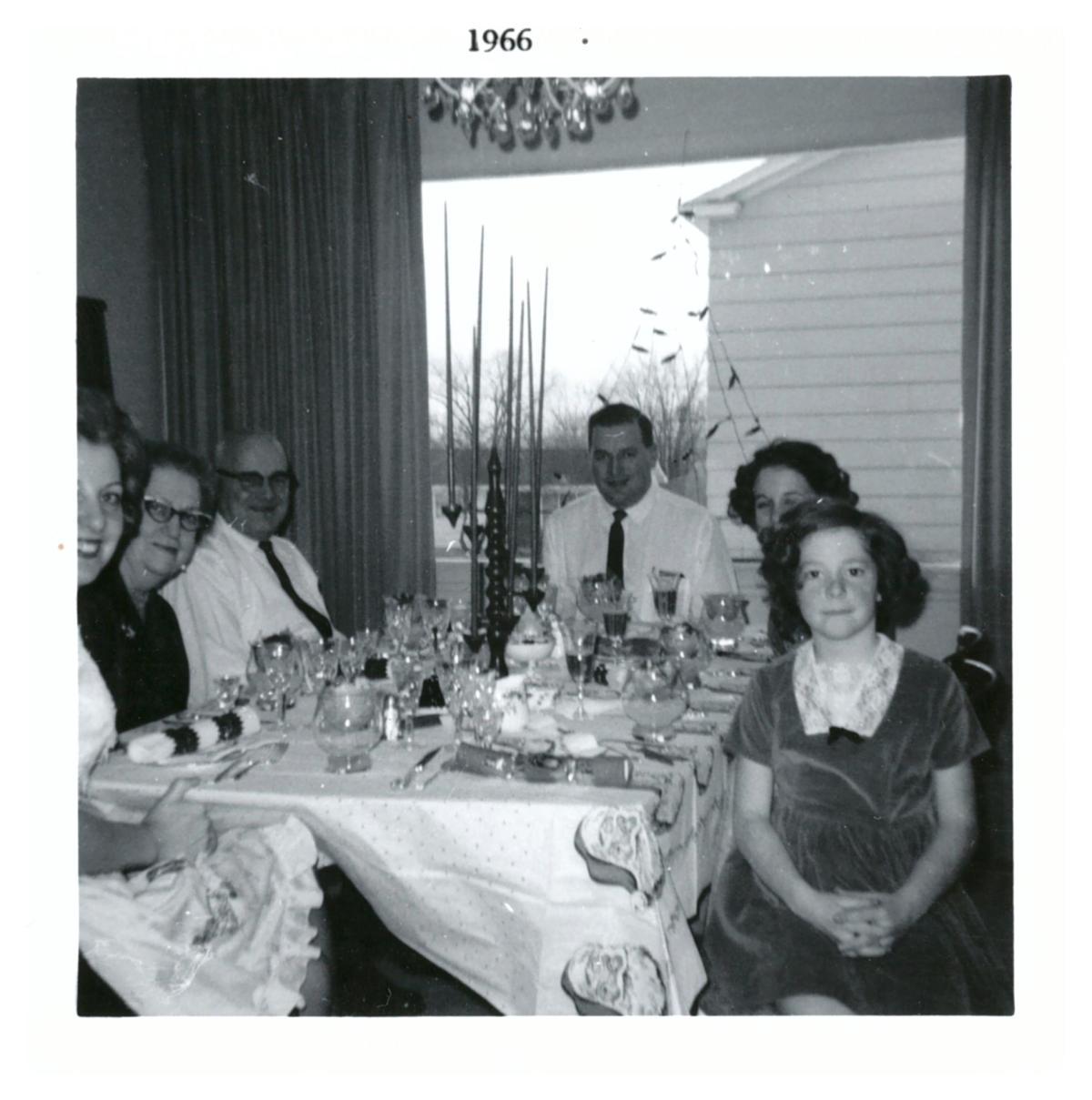
I remember Sunday dinners that seemed to go on for hours when I was growing up… My grandparents would join us, we’d have dinner, then coffee for the adults, and just hang around the table talking for ages. My dad loved to get a good discussion going, often about current news or sometimes about mischief he and his brother did as kids (that was our favourite topic!). This photo was taken by 11-year-old me, with my new camera in 1966!

So, it struck a chord when I read about a study done in Quebec that conducted surveys of families with young children to find out whether the environment during a typical family meal might influence learning, lifestyle and socializing.

They began by surveying families with 6-year-olds to determine the environment of a typical family meal. Four years later, when the children were age 10, they conducted more surveys: asking parents to assess their children’s lifestyle habits, teachers to gauge academic achievement, and the children themselves to assess their social adjustment from their point of view.

They found that improved family meal environment quality (eating together and engaging in conversation during the meal), predicted higher levels of physical fitness, decreased soft drink consumption, and less physical aggression and oppositional behaviour. Maybe all those family dinners had something to do with my dislike of Coke and joining the gymnastics and track and field teams… who knows?

But frequency of family meals is reported to be generally in decline. The Euromonitor International’s annual study of global consumers reports a world-wide trend towards less structured meal occasions, resulting from busy lifestyles, more unconventional working hours, increased single parent households and increased numbers of working women.

Breakfasts, once a regular sit-down meal, are reported to have become less consistent and are often now eaten on the run or skipped altogether. Snacking has increased because of smaller breakfasts and generally shorter lunch breaks (with many eating in their car while doing errands or even at their desks due to work pressures), leading to an increased demand for pre-packaged portable foods, unfortunately often highly preserved to increase shelf-life.

The annual study found that younger, urban consumer groups have particularly been trending towards more flexible and informal eating habits. Only approximately half of the populations around the world they surveyed still cook a meal entirely from raw ingredients at least once a week.

However, researchers also found a trend in recent years toward eating in rather than out. They reported that this was likely due to financial pressures from the recession that began in 2008. Use of prepared ingredients, such as sauces, is also reported to be on the rise, making home-cooked meals easier to prepare for those with less time. The researchers opinion was that now would be a good time for a public awareness program to encourage more frequent family dinners with conversation between adults and children, what they termed a quality eating environment.

Many of us just enjoyed a wonderful family dinner on Christmas day. The studies described above suggest that we should consider making this a regular event, especially if there are small children in the family.

But socialization is important for adults too. Studies of communities around the world with higher proportions of centenarians (people over 100 years old), referred to by researchers as “Blue Zones”, looked for shared characteristics. This is a list of what these communities had in common:

  • Family and social engagement

  • Semi-vegetarianism (majority of food from plant sources)

  • Legumes commonly consumed

  • Consistent moderate physical activity as part of life

  • Less smoking

This list seems to fit with the idea that eating food at home in a quality family environment could result in improved physical, academic and social outcomes for young children that persist for years. It also echoes Michael Pollan’s food rules (“Eat real food, mostly plants, and not too much”) that I discussed in an earlier blog.

Having a longer and healthier life does not have to be complicated. Plan simple meals that include plenty of fruits and vegetables, eat with family and friends whenever possible, and keep active throughout the day to stay fit — all good habits to start creating a healthier lifestyle. Some claim you could add 10 quality years to your life by following this simple strategy.

So, doesn’t that sound like a great New Year’s Resolution? Here’s to a healthy 2018 for all of you!

References:

Euromonitor

Quebec study

Categories
Health

10 Ways to Reduce Jet Lag

I’m back from Spain! Glad to be back, but dealing with some nasty jet lag… so, I decided to write a blog about it. Should have written it before I flew home because I learned a few ways to reduce symptoms and shorten the duration of jet lag.

What is jet lag anyway?

The dictionary defines jet lag as “a feeling of extreme tiredness and other physical effects after travelling a long distance through different time zones by plane”. Some sources simply describe it as a “temporary sleep disorder” but, while it is temporary it can affect more than just your sleep. Some people are more sensitive to time change than others and will even notice mild effects when adjusting clocks for Daylight Savings Time in the spring and fall.

Medically, it is referred to as “desynchronosis” and is believed to result from difficulty adjusting the body’s circadian “day/night” rhythm or internal body clock to match the local clock. Shift workers can experience symptoms similar to jet lag when readjusting to normal hours after working the night shift. Strategies for reducing jet lag may be helpful to shift workers as well.

What are the symptoms?

Symptoms can include daytime drowsiness, tiredness, lethargy, slight disorientation or dizziness, insomnia, sometimes headaches, difficulty focussing, loss of appetite, and digestive upset such as diarrhea or constipation.

Of course, a long trip itself can be fatiguing, and dehydration and lower oxygen levels in planes can contribute to the symptoms experienced. More time zones travelled generally result in worse jet lag, with some individuals being more susceptible than others. Older adults and those with other health conditions often have worse symptoms and take longer to get back in sync, while children are often minimally affected.

What are circadian rhythms?

Many of our body’s systems, including those that regulate sleep, waking, eating and body temperature, run on cycles over the 24-hour day. This is called the circadian rhythm or “body clock” – the regular ups and downs of hormones and functions that occur at certain times each day.

A little technical stuff for those who are interested in detail…

The theory behind jet lag, is that there are two groups of neurons or nerve cells in the base of the brain that control sleep:

  • An area associated with deep sleep and physical recovery and repair

  • An area that controls the dream state, known as “rapid eye movement” or REM sleep

    • During REM sleep the brain sorts out thoughts and memories.

    • The REM area takes longer to adjust to a new sleep/wake cycle, and the two sections become out of sync, throwing off the sleep cycle and reducing quality of sleep.

So, the body clock is driven by an internal time-keeping system, but it’s affected by external factors like light and darkness. For example, we know that production of melatonin (a hormone that is associated with sleeping) is blocked by light falling on the back of the eye. This is why it is recommended to have your room completely darkened for a good night’s sleep and why it might be a good idea to use a sleep mask when trying to sleep on a plane or during the day.

Most references state that travelling east tends to cause more symptoms than travelling west, but I have always found the opposite to be true for me. However, I think it depends somewhat on your behaviour when you arrive at your destination, and on the timing of the flights you take.

My experience…

On my trip to Spain, I took an overnight flight. Although I only had a very few hours sleep on the plane, I was excited about arriving and needed to buy groceries so spent time outside in the sunshine. I pushed myself to stay up until close to a “normal” bedtime for where I was and, being exhausted by then, had a great night’s sleep. Of course, the next day I was out in the sunshine seeing the sights, and light exposure (especially sunshine) helps you to adjust to a new time zone more quickly.

In contrast, when I came home, it was a daytime flight with a late-night arrival which, for me, meant arriving finally at home at 7:30 the following morning, Spain time! And since it was still part of a normal but extended day for most on the final flight, it wasn’t a good sleeping environment… no rest for me! Since I’ve been home, it’s been mostly cloudy with sunset at 4:30pm so much less light exposure. I’ve also been busy indoors catching up after being away for 2 months and, of course, it’s chilly compared to the Costa del Sol, so that’s keeping me indoors more too!

Here’s what you could do next trip to experience less jet lag than I did:

  1. Prepare ahead if possible:

    1. Heading east – get up and go to bed early for a few days before the trip.

    2. Going west – delay bedtime and waking as above.

  2. Set your watch to local time at your destination as soon as you board the plane.

  3. Keep active during the flight – stretch, do seat exercises, walk along the aisle.

  4. Use an eye mask and ear plugs and try to sleep when it’s night time at your destination.

    1. Aim for 20-minute naps during daytime hours to reduce fatigue.

  5. Drink plenty of water on the flight, and avoid alcohol and caffeine to reduce dehydration (If you do decide to have a glass of wine, drink extra water along with it…).

  6. Wear sunglasses during your destination’s nighttime hours during the flight if you can’t sleep. This may help your brain to start to adjust by altering light exposure.

  7. Although not well tested, taking melatonin at the destination’s bedtime on the plane and for a few nights after you arrive may be helpful, researchers suggest.

  8. When you arrive, try to sleep at a normal time for your destination, realizing you will likely want to sleep later when going east and rise earlier when going west.

    1. If you’re on a short trip, and your schedule allows it, you may be able to adjust your day to stay closer to “home”, clock-wise. On a 4-day trip to Vancouver (4 hours “earlier” than my home on the east coast), I decided to just get up very early and skip some late-evening social activities. My conference friends were so impressed with my daily 6am walks in Stanley Park, but it was just a leisurely 10am “walk in the park” in NB time!

  9. Spend as much time as possible outdoors, preferably in sunlight, when you arrive or at least expose yourself to bright indoor light. It’s the cycle of light and darkness that prompts the brain to realign itself to your new time zone.

  10. If you know you are prone to severe jet lag, consider breaking up the trip or making part of your travel overland, rather than by air to adjust to the new time in stages. It’s the speed of travel that causes jet lag, not simply the time change itself.

Give these suggestions a try on your next east/west trip and let me know if they help you to have a “bon voyage”!!

References:

Mayo Clinic

Medical News Today

Categories
Public Health

Learning Spanish ways…

As you probably know, I’m spending a couple of months in Spain. I’m quite fascinated by several distinct differences in culture and lifestyle between here and North America – differences that could have an impact on health – some positive and some not-so-positive!

This is at the top of Gibraltar. We took the cable car up then walked all the way back down, visiting interesting caves, monkeys and remnants of armies of the past as we went. I had sore muscles for 3 days after but saw and experienced so much it was worth it…

First, I’ve noticed that people use public transit much more than we do in most areas of Canada and US. Streets in old European cities are extremely narrow (many cars have dents!), and parking is hard to find and often expensive. We’ve seen cars parked in the strangest places… Many city apartments simply don’t have parking, leaving tenants with cars to park on the street, wherever they can find a place. The old section of Marbella, where we are staying right now, actually allows only delivery vehicles in the narrow streets. We had to pull our suitcases along cobbled walkways to get to our apartment as our taxi had to drop us off outside the Casco Antigua de Marbella (the Old City of Marbella)!

Besides the obvious decrease in pollution from car exhaust, though, using public transit means you are walking a lot more – even if it’s just to the bus stop, and then from the stop to your destination. This can build a significant amount of exercise into your day, without needing to think about it.

Cities here tend to be more densely populated, and every neighbourhood has its grocery store, bakery, fish shop etc. so you can easily walk to do your errands. Many people, especially the elderly, have shopping bags on wheels to take their purchases home easily, pulling them behind as they walk. Neighbourhood stores are busy because a lot of people live nearby and support the convenient local shop. It seems like cities are set up so you really don’t need or even want a car!

This contrasts sharply with home and with many North American vacations we’ve taken, where it’s too far to walk to any type of shopping. While I’m sure our winter weather in Canada and northern US encourages us to use cars more, we also tend to have only a few large grocery stores that serve an entire city rather than many smaller local neighbourhood shops that service a small area. The result is, we drive everywhere rather than fitting our exercise into our daily routine, then need to add in exercise time. Sometimes we even pay to be able to get our exercise!

Of course, this stretch of land on the southern coast of Spain, the Costa del Sol, is so beautiful with the Mediterranean on one side and the mountains (that block the cold northern winds, creating a warmer climate) on the other. We enjoy simply wandering around, soaking up the beauty of the area, people watching and sight seeing. We’ve visited several neighbouring cities, travelling there by bus, and spent the entire day walking… often up small mountains it seems, then back down again, of course!

The tourism office nearby has been very helpful in sorting out bus schedules and stops, and we haven’t had any problems getting where we want to go. Choosing a vacation in a place like here, with comfortable temperatures that encourage you to be outside walking all day, may mean you will go home in better physical shape than you were when you arrived. I know I will!

Ronda, Spain, high up in the mountains

Another interesting tradition in Spain is the siesta – many stores close in the afternoon for several hours. I still haven’t quite figured out whether the siesta time is the same for all businesses, but have been caught walking to a store to make a purchase, only to find them closed. It seems that the siesta is such a long-standing tradition that many stores don’t post the hours they open and close in the afternoon – only posting the morning opening and the evening closing times – while other stores no longer participate in the traditional siesta at all, and just stay open.

But this tradition is all about lifestyle and is good for workers (especially those who are running a small business themselves, and trying to offer service to morning shoppers as well as the evening crowd). It gives them time to relax, spend time with family, and eat a healthy meal during the day while still being open for the busiest parts of the work day. Mid-afternoon is also the hottest time of day and probably the quietest for business. However, tourists beware! Better indication of hours of operation would certainly help visitors like me to accommodate but regular customers seem to have adjusted to the system without problem.

On the “down side”, I am amazed at how many people, especially young people, still smoke here. It’s made me realize that policies that ban smoking in restaurants, vehicles and in public places make a difference in how acceptable it is to smoke, effectively “denormalizing” it, in North America. Here in Spain it is normal to see people smoking everywhere, and it seems strange compared to Canada where the activity is banned in so many public places. It is easy to see that passing these types of laws, making smoking much less acceptable, results in fewer smokers overall and certainly decreases exposure to second hand smoke that has been shown to affect the health of non-smokers. While actual smoking rates are lower in US and Canada (approximately 16-17%) compared to Spain and France (at 24%) and even higher in northern Europe, the additional difference in where they are allowed to smoke makes smoking appear even more prevalent.

So, what I’ve learned so far from this experience in Spain (besides quite a few Spanish words), is that working to build activity into every day, rather than thinking of activity as a “task” that you need to find time for, may be a better approach to staying fit. The design of cities and neighbourhoods, and the laws we pass (like those for restrictions in smoking) can make a difference in the behaviours and the health of the entire population. Comparing lifestyles in different countries, can help us to gain new perspectives and ideas to incorporate into our own communities, helping to create a healthier population.

Can you think of ways you can change your lifestyle and your community to make it easier for you and your neighbours to stay healthy and fit?

Reference for smoking statistics: Tobacco in Australia

Categories
Book review Health

No-one likes the Mr. Throat picture…

This week, I want to share an article about smoking…not about quitting, but about why people smoke and how much they love it… And how it takes over the smoker’s life… And how hard it is to quit.

I was never a smoker. I tried a few cigarettes in my younger days when out to a bar with smoking friends, but I never formed that love/dependency relationship with “smokes”, as the writer of the article fondly refers to them. As a pharmacist, I learned about medications to help people quit, how difficult the process is and things I could do or say to help people overcome the habit (or let’s call it what it is: an addiction). But I often would wonder why so many people, roughly 20% in Canada, still choose an activity that might kill them.

The article, written by a long-term smoker and posted in a blog called “LongReads”, fascinated me as a non-smoker and health professional, and I found it helped me understand why people smoke in spite of all the evidence that it is slowly damaging their health. I’d recommend the article, not only for smokers, but for those who would like to help people quit. Understanding “why” can sometimes be the key…

Spoiler alert: the photos on the cigarette package, especially the photo of a man with throat cancer, are the most negative part of the writer’s smoking experience. The title of the article is: “Mr. Throat and Me”.

You’ll find the article here: LongReads “Mr. Throat and Me”.

Categories
Environment Public Health

Something fishy going on…

Researchers at the University of Buffalo have discovered that human antidepressants and their breakdown products are building up in the brains of fish in the Niagra River that flows between Lake Erie and Lake Ontario. Researchers at two universities in Thailand have confirmed these results.

The researchers started out by looking for a variety of chemicals that are in human medications and personal care products. They checked the organs and muscles of 10 species of fish, and antidepressants stood out as the major problem. All 10 species they checked had detectable levels of these drugs.

How is this happening?

The drugs they found: Zoloft, Celexa, Prozac and Sarafem, are widely used in both US and Canada. Usage increased by 65% between 1999 and 2014, according to the US National Center for Health Statistics. The drugs people take do not magically disappear – a significant amount passes out of the body through the urine, sometimes intact and sometimes changed to a slightly different form that may be more or less active than the original drug. Water treatment systems do not remove these drugs, allowing them to flow into lakes and rivers where the fish live, along with treated waste water.

Worse, levels of antidepressants found in fish brains were several times higher than the concentration in the water, suggesting that the drugs are accumulating in fish over time. When fish are exposed to a drug but cannot break it down or clear it from their bodies, this can result in gradually increasing amounts being stored…in this case, in the fish’s brains.

The species tested were smallmouth bass, largemouth bass, rudd, rock bass, white bass, white perch, walleye, bowfin, steelhead and yellow perch. The rock bass had the highest concentrations of antidepressants, but several fish had a variety of drugs in their bodies and all 10 species tested were found to have some level of antidepressants.

What about humans?

The good news (if you can call it that…) is that we don’t eat fish brains, so this is unlikely to affect humans. But what about the fish? It is not yet known how these drugs might affect their health and behaviour, but other studies suggest they can affect feeding behaviour or survival instincts (for example, not noticing predators as readily).

However, if your drinking water originally comes from a lake or river, chances are you’re being exposed to a low-level cocktail of drugs, too. Many experts have felt that the drug levels in drinking water, being much lower than a person would take as treatment, could not have a significant effect. However, no one really knows whether a mixture of many active drugs, consumed at low levels over a lifetime, is a risk to people’s health.

A group of researchers found drug levels high enough to be “of environmental concern” in the Great Lakes and Minnesota River that included traces of acetaminophen (Tylenol), codeine, antibiotics, hormones, steroids, anti-epileptic drugs and dozens of other chemicals.

Health Canada reportedly found traces of drugs in samples of drinking water that came from lakes and rivers across Canada. Their report has not yet been published but was described in an article on cbc.ca website.

Some experts particularly worry about effects on the hormone and immune systems. Researchers have discussed a possible link between hormones from birth control pills that end up in the environment and increased risk of prostate cancer. Other compounds with estrogen-like activity, such as certain pesticides likely add to this risk.Scientists have already proven that these chemicals are creating “intersex” fish – male fish who have developed eggs in their testicles – putting the survival of certain species at risk in some waterways.

What can we do about it?

Wastewater treatment plants focus on killing disease-causing bacteria and removing solid matter, nitrogen, phosphorus and dissolved organic carbons. However, they pay little or no attention to drugs, hormones and chemicals that might be in human urine. Fish, especially those who live near sewage outlets, are being exposed to a cocktail of drugs 24 hours a day and it is not known whether humans exposed to a low level mixture of active drugs could be affected…

Its time to upgrade our sewage treatment systems and find ways to remove these chemicals from waste water, preventing their release into the environment. Treatment of waste water needs to be improved! Make your voice heard – ask for improvements to the waste treatment systems in your area.

Reference articles:

http://www.cbc.ca/news/technology/human-antidepressants-building-up-in-brains-of-fish-in-niagara-river-1.4274735

http://www.cbc.ca/news/health/drinking-water-contaminated-by-excreted-drugs-a-growing-concern-1.2772289

Categories
Health and Beauty

8 Ways to Keep Your Skin Younger and Healthier

Your genes will always have some influence on skin getting drier and thinner regardless of what you do, but there are preventive actions you can take to slow the effects of “extrinsic” aging, the aging caused by factors outside your body… limiting the effects of environment and making the best lifestyle choices for healthy skin!

Here are 8 ways to help keep your skin as healthy and youthful as possible:

  1. Protect your skin from the sun every day – sun or cloud, winter or summer.

    1. UVB rays result in a tan or sunburn and are largely blocked by cloud, while UVA rays can often pass through cloud or glass damaging skin without causing a visible burn or tan.

    2. Use a cream or lotion daily that contains SPF 15 to 30, depending on the sensitivity of your skin to sunlight, plus an effective UVA blocker (Note that “SPF” refers to effects on UVB rays only). Apply daily to your face and hands – the most exposed areas of the body.

    3. Wear a wide-brimmed hat to further reduce sun exposure to the face and neck.

    4. Like a tanned look? Try a self-tanner – they’re much improved from earlier versions, giving a more natural skin tone and won’t damage your skin.

    5. Avoid tanning beds and lamps – they also cause skin damage and aging.

    6. Remember the sun is strongest between 10am and 3pm, and you will need greater protection during these hours.

  2. If you smoke – stop!

    1. Toxins in cigarette smoke speed skin aging.

    2. Smoking can cause a dull, sallow complexion and decreased blood flow to the face resulting in less healthy skin.

    3. Preventing aging is yet another good reason to quit!

  3. Pay attention to your facial expressions – especially frowning…

    1. Repeated frowning, squinting or pursing of lips creates skin folds or lines that eventually become permanent.

    2. Watch for lines that indicate facial muscles you frequently use:

      1. Between brows – frowning

      2. “Crows’ feet” at corners of eyes – squinting (wear sunglasses to reduce this)

      3. Lines radiating from your mouth – pursing lips

    3. Smiling uses far fewer facial muscles, so avoids potential lines and wrinkles…and brightens your day and that of everyone around you at the same time!

  4. Eat a healthy diet

    1. Fresh fruit and veggies provide nutrients needed for healthy skin:

      1. Vitamin C is needed to form collagen, part of the support structure of skin.

      2. Vitamins E, A and Biotin (a B vitamin) are also important for skin.

      3. 5 to 7 servings of fruit and vegetables daily will generally provide enough of these nutrients to help keep skin healthy (although a new study suggests that 3 to 4 servings may be adequate for maximum health benefit – stay tuned for recommended dietary changes in the future!).

  5. Limit Alcohol – Alcohol is reported to dehydrate skin, making it look more aged.

    1. Avoid binge drinking, drink only in moderation (1 to 2 drinks per day), and keep hydrated by drinking water along with alcohol.

      1. A guideline could be one glass of water for each drink, for example.

  6. Exercise on most days

    1. Exercise boosts circulation and immune function throughout the body, including the skin

    2. Incorporate activity into your daily routine.

      1. It may give your skin a more youthful appearance.

      2. And, being fit looks good at any age!

  7. Cleanse skin

    1. Many references suggest cleansing gently but thoroughly to remove makeup, sweat and bacteria without irritating skin.

    2. However, exfoliating (gently removing the outer layer of dead skin cells) has long been used to give skin a fresher, smoother surface.

      1. Exfoliating before applying a moisturizer may help the moisture to penetrate the skin more readily.

      2. Author’s note: I have used a “buff puff” type sponge to cleanse daily for many years with good success, originally to keep pores open to prevent blemishes, but I continued to use it for its exfoliiant action. This might not be an option, however, for those with very sensitive skin, although “gentle” versions are available.

  8. Apply a facial moisturizer every day.

    1. Even an inexpensive facial moisturizer will help maintain hydration of the skin, giving a more youthful appearance.

    2. Using a moisturizer with sunscreen added can simplify your skincare regimen — 2 steps in one!

    3. Drinking water regularly also helps keep skin hydrated. Avoid bottles or straws that cause you to “pucker up” your mouth when drinking (see #3!)

Having compounded cosmetics for several years in my pharmacy, I have a few “favourite” skin ingredients:

  • DMAE – helps to tighten the tiny muscles that support the skin temporarily (12-24 hours)

  • Glycolic Acid – help loosen dead skin cells on the surface of the skin, creating a smoother surface (not recommended for those with sensitive skin, and use with caution in eye area)

  • Lipoic Acid – reported to help improve dark circles under the eyes

  • Vitamin C Ester – helps with collagen formation to prevent thinning of the skin (the ester form is better in creams as it can pass through skin easier and is less irritating than plain vitamin C)

These are inexpensive ingredients, so you can likely find reasonably-priced creams containing some of these.

Keep in mind that sun exposure is considered the greatest avoidable cause of skin aging and damage. Brown “age” spots (also referred to as “liver” spots) are a visible indication of sun damage. If numerous spots appear, ask for an assessment by a dermatologist. These spots can be removed with a prescription strength peeling agent targeted to the damaged area – ask your doctor!

Categories
Public Health

Is it the chicken or the egg?

So, I’ve arrived in Spain…picking up a few groceries, and I can’t find the eggs… I’ve checked every cooler… “Donde estan los huevos?” Where are the eggs?

Well, for heaven’s sake, they’re stacked up in the middle of the aisle! Not in a cooler? Strange. Wouldn’t they go bad? I had to investigate why eggs must be refrigerated at home but not in Europe… after all, the chickens and eggs are not any different in North America!

Here is what I learned:

In North America, eggs are cooled right after laying to about 7C (40F), washed, and then sprayed with a chemical sanitizer to kill bacteria. Once chilled, eggs should not be left out of refrigeration for more than 2 hours as the condensation that forms on the shell will provide a place for bacteria to grow.

In Europe, it is unlawful to wash eggs because this is believed to damage the outside layer of the shell (the “cuticle”), allowing bacteria to penetrate the egg more easily.

But Europe has also required farmers to vaccinate their hens since 1997 when thousands of people became ill from salmonella bacteria. This has lead to a rapid decline in cases of salmonella in Europe.

In North America, farmers are not required to vaccinate chickens, although some do. In 2010, the US FDA said it would not legally require vaccine use as “there was not enough evidence to conclude that vaccinating hens against salmonella would prevent people from getting sick”, according to a report in the New York Times.

Instead, North American governments have regulations requiring regular testing for salmonella, refrigeration standards, and strict sanitary codes in place to control the threat of salmonella infection. While it makes sense to have such standards, vaccines have proven to be very effective in controlling many types of infections… and this appears to have been well demonstrated with salmonella in Europe.

Farmers also complained it would be expensive to vaccinate every hen… However, when the costs of washing and spraying millions of eggs, refrigeration, additional inspections and testing are considered, vaccinating hens must be far less expensive …

In Europe, the goal is to prevent eggs from getting dirty in the first place, so washing isn’t necessary. One expert has even suggested that not allowing washing of eggs may be helping to maintain good farm practices…

So, is it better to treat the chicken or the egg? What do you think??

For us, even though it is recommended in Europe to store eggs between 17 – 23C (62 – 73F), it still feels weird to leave them on the counter so ours still end up in the fridge once we take them to our apartment!

Now, where are the olives kept? Las Aceitunas, por favor? It took us a while to find them too… with the snack foods! I guess potato chips and olives are often served together over here!

Categories
Uncategorized

Learning how to learn…

I’ve been trying to learn Spanish for a couple of years now… never making much headway. But our upcoming trip to Spain has motivated me to work harder and I think I’ve finally turned a corner – I’m getting it! Nothing like a little motivation…

Are you finding it more difficult to learn new things that when you were younger? One skill we are not taught, is how to learn… or maybe how to convince ourselves that we really do want to learn what we need to know!

Facts are quickly becoming less important in the digital age – what matters is being able to find information we need (or want) to learn and being able to use what we find. So, we need to focus on becoming better at using the information technology that is available to us and better at processing the data that we find. Information is cheap and readily available… it is thinking skills that matter although sometimes we do need to know enough to trigger us to look further. We need a balance of knowledge, and skills to use that knowledge effectively.

How do we learn best? Here are some suggestions I found in a book I recently read:

  1. Establish value – I think this is one of the most important factors. We need to see knowledge and skills as valuable, or the brain simply discards the information soon after we “learn” it. We need to create meaning, make sense of the information, think about how and why it’s important to you. This may be best done by thinking how it relates to what you already know. If you’re a Big Bang Theory fan, you may recall the episode where Amy stops reading and stares into space for several minutes, explaining that she’s finished reading and now she’s thinking about what she read… (establishing its value and relating it to what she already knows, no doubt!)

  2. Target your learning – Decide what you want to learn and know why you want to learn it. Set goals and targets. Have a reason to learn.

  3. Be curious – Take on the challenge of learning things you don’t know but find interesting.

  4. Extend your skills – These days, average won’t do, especially in the workplace. Develop skills, knowledge and understanding beyond the basics to become an expert. Expertise is needed if you want to be essential to the system and it’s gratifying to gain a thorough understanding of a subject that interests you, or just to be the best you can at your work!

  5. Relate – Nothing can be isolated. Knowledge needs to be related to other facts/procedures/systems. Understand how new knowledge fits with the old. For my Spanish, I’ve noticed similarities with French (in which I am already quite fluent), and this helps me remember more easily.

  6. Rethink – You need to constantly review knowledge and understanding as the environment changes. You need to “learn from your learning”, updating previous knowledge with new facts and techniques. Keep an open mind to new ideas presented by others in the field you are studying. With the volume of information available in this electronic age, it is impossible to read and learn every aspect of a subject. Discussion and sharing with others enables you to have a broader perspective that may influence your understanding of the subject and future direction of learning.

Constantly ask yourself: “How does this new learning relate to what I already know?” Understanding what you’re learning, versus memorizing facts, increases retention and keeps you more interested in what you’re learning.

But, understanding where to find information quickly is now often more important than acquiring a vast knowledge base. I have my phone loaded with translation files so I will be able to quickly look up the Spanish words I can’t remember.

And, don’t forget that You Tube now has a database of videos demonstrating everything from appliance repair to setting up a website and more! A friend we were visiting complained that she had never figured out how to lower the racks in the dishwasher she had bought 2 years before. My husband (who uses the internet regularly to learn how to do all kinds of things!) pulled out his phone and within 2 minutes found a video of how to adjust the racks in her model of dishwasher. We all learned something about learning that evening!

Various fields may have specific sources for the highest quality information. A focus of learning that may give the greatest benefit, especially in the workplace, is to learn the best sources of the information you need. Peer learning – learning from each other – is often a very effective way to gain this type of information. A role for leadership in today’s workplace is helping workers develop skills needed to quickly find information they need themselves. Often, part of this is simply providing an avenue for employees to share the knowledge they already have.

Keep in mind that spreading learning over time and acquiring knowledge when you need it enhances integration into actual practice and helps decrease the inevitable forgetting. Having the skills to learn “on demand”, when the information is needed, avoids the necessity of memorizing facts and processes before they are needed and gives the advantage of better retention because the meaning and need are clear to us!

As a practicing pharmacist, some of my best learning was in response to questions from clients. In fact, I became a “hormone expert” because I received so many questions about menopause, as treatment went through radical change in response to study results. I even received a phone call one morning from a woman asking to speak to the “Hormone Lady” as my reputation spread… all due to learning “on demand” in response to a need.

So, “learning how to learn” (and where to find the info you need) may be the most important skills we can acquire. And our best learning is very often in response to an immediate need…

What do you need to learn about? The goal of my blog, in addition to sharing interesting health information I’ve read, is to help readers with health and wellness related questions they have. Click the red “Questions/Comments” box to let me know what health information you’d like to see in a future blog!

(Note: Names are never mentioned in articles to maintain confidentiality!)

Categories
Health

For Coffee Addicts Only…

How many times have you read that you should quit drinking coffee? Well, a new study suggests that coffee may actually be good for you…

I just read a report from the European Society of Cardiology about a study on coffee consumption done in Spain looking at the association between coffee consumption and the risk of dying in middle-aged Mediterraneans. Researchers surveyed the amount of coffee 20,000 people drank along with other lifestyle, social and demographic characteristics and previous health conditions. Then they followed them for an average of 10 years.

Here’s what they found…

  • People who drank at least four cups of coffee per day had a 64% lower risk of dying from any cause (“all-cause mortality”) than those who never or almost never drank coffee over the 10 years of follow-up.

  • There was a 22% lower risk of all-cause mortality for each two additional cups of coffee per day.

  • In those who were at least 45 years old, drinking two additional cups of coffee per day was associated with a 30% lower risk of dying during follow-up.

Very interesting, isn’t it! The researchers didn’t offer any explanation for why coffee might have this effect but here’s my theory (for what it’s worth) …

I rather doubt that it’s anything particular in the coffee (or tea for that matter, for tea enthusiasts), but more likely it’s what we do most of the time when we have a coffee: we take a break, relax, maybe chat with a friend or read a magazine. That has to help reduce our stress, and stress (I hear) is suspected as being an underlying cause of many health conditions! Coffee is often a social drink – recent studies also suggest that socialization is also good for our health and longevity, so that may be part of the effect too,.

I base my humble opinion on theories why the French have lower rates of heart disease that North Americans in spite of the rich higher-fat diet they consume… Some experts propose that it’s not so much what you eat, but how much you eat and how you eat it. Consuming food in a relaxed atmosphere with good company just seems to be healthier for us.

So, meet a friend or take a break from work with a co-worker, relax, and enjoy a tasty cup of coffee. Or, if you don’t have someone available to share a cup with, simply put your feet up, contemplate all the great things in your life and maybe listen to some of your favourite music as you enjoy the wonderful taste of a fresh cup of brew! You may just be healthier for it…

Now, I guess I’ll go get myself another cup…. umm, that will be three for today so perhaps one more later… maybe an iced coffee version…

Enjoy!

Reference: Science Daily